


Why Ragi Deserves a Spot in Your Kitchen
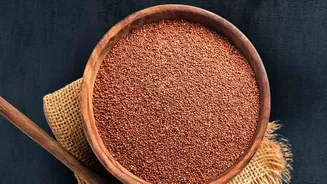
Before diving into recipes, it’s worth knowing why ragi is considered a nutritional powerhouse. It's naturally gluten-free, making it an excellent choice for those with gluten sensitivities. Ragi is celebrated for its high calcium content, which is crucial
for bone health, and it's also a rich source of iron, which helps combat anaemia. The high dietary fibre content aids in digestion, promotes a feeling of fullness to help with weight management, and helps regulate blood sugar levels, making it a diabetic-friendly grain. Its protein is easily absorbed by the body, and it contains essential amino acids that many other cereals lack. Adding to its benefits, it has negligible levels of sodium and cholesterol, supporting better heart health.
1. The Foundational Staple: Soft Ragi Roti
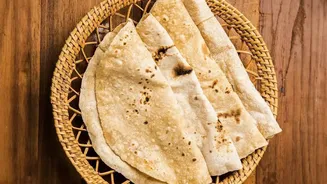
One of the easiest swaps you can make is replacing your regular wheat chapati with a soft ragi roti. Its earthy, nutty flavour pairs wonderfully with dal, curries, or sabzi. The key to making soft ragi rotis is using hot water to knead the dough. The heat helps release starches, which makes the gluten-free dough more pliable and less prone to breaking when you roll it out. You can also add finely chopped onions, coriander, and spices to the dough to make a flavourful masala roti or adai.
2. The Comforting Breakfast: Porridge and Malt
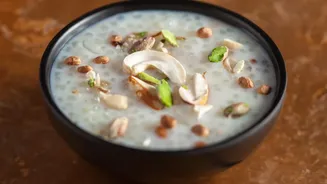
A warm bowl of ragi porridge is a deeply nourishing way to start your day. Known as Ragi Kanji or Java, this simple dish is suitable for all ages, from babies to adults. To prepare it, make a smooth, lump-free paste with ragi flour and cold water. Slowly add this paste to boiling water or milk, stirring continuously until it thickens. You can sweeten it with jaggery or enjoy a savoury version with buttermilk, salt, and a pinch of cumin. It cooks in under 15 minutes, making it a quick and wholesome breakfast.
3. The South Indian Classics: Dosas and Idlis
Ragi seamlessly integrates into classic South Indian breakfast dishes. For ragi dosa, you can make a batter from scratch by soaking and grinding ragi with urad dal, or you can use instant mixes for convenience. The batter should be thin to create a crisp, reddish-brown dosa that is delicious with sambar and coconut chutney. Similarly, ragi idlis can be made by adding ragi flour to your regular idli batter. These soft, steamed cakes are easy to digest and packed with nutrients. Instant versions that don't require fermentation are also popular for busy mornings.
4. The Guilt-Free Indulgence: Healthy Baking
Ragi's malty flavour pairs exceptionally well with chocolate, jaggery, and fruits like bananas, making it a fantastic flour for baking. You can give your favourite recipes a healthy makeover by substituting 30-40% of the all-purpose or wheat flour with ragi flour. This works well for chocolate brownies, cookies, muffins, and banana bread. The ragi adds a wonderful depth of flavour and creates a denser, more satisfying texture. For best results in baking, use a finely ground ragi flour.
5. Modern Twists: Pancakes, Upma, and More
Don't be afraid to experiment. Ragi flour can be used to make fluffy pancakes for a weekend brunch; simply mix it with a bit of wheat flour, yoghurt, and your choice of flavourings. You can also prepare a nutritious ragi upma by roasting the flour and then cooking it with sautéed onions, vegetables, and spices. For a traditional Karnataka speciality, try making Ragi Mudde, which are cooked balls of ragi flour served with spicy curries. These versatile uses make it easy to include this superfood in any meal of the day.
What to Know Before You Start
Cooking with ragi is simple, but a few tips can elevate your results. Because ragi flour is gluten-free, doughs can be less elastic. Using hot water or cooking the flour into a slurry helps create a better texture for rotis and other flatbreads. Some find ragi to have a slightly gritty texture; using a fine-milled flour or combining it with other flours can create a smoother result. Always store ragi flour in an airtight container, preferably in the freezer, as its natural oils can cause it to go rancid more quickly than other flours.