







Kushboo's Back-to-Basics Approach
In a recent interview, Kushboo Sundar shared the secrets behind her consistent skincare, which are rooted in kitchen-friendly ingredients. Her day starts early, between 4:30 and 5 am. For her skin, she uses raw milk on her face, and on other days, she opts
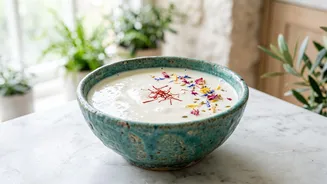
for saffron-infused water or a gentle massage with coconut or almond oil, depending on her mood. This half-hour ritual is a daily habit. The appeal is obvious: it's simple, inexpensive, and leans on ingredients that have been part of traditional Indian home remedies for generations. In an era of complicated 10-step routines and expensive serums, this minimalist approach feels refreshingly accessible.
Why One Size Never Fits All in Skincare
While Kushboo’s dedication is admirable, dermatologists caution against blindly following any single routine, celebrity or otherwise. The fundamental truth of skincare is that it is deeply personal. Skin types vary dramatically—what works for dry, mature skin may be a disaster for someone with an oily, acne-prone complexion. For instance, ingredients like coconut oil can be comedogenic, meaning they can clog pores and lead to breakouts in some individuals. Similarly, raw milk, while containing lactic acid, might irritate sensitive skin or not be suitable for those prone to acne due to its natural bacteria. Experts stress that genetics, lifestyle, and environmental factors play a huge role in skin health, making a universal solution impossible.
Understanding Your Own Skin Type
Before you can build an effective routine, you must first identify your skin type. A simple at-home test can help. Wash your face with a gentle cleanser, pat it dry, and wait for about 30 minutes to an hour without applying any products. Then, observe your skin. If it looks shiny all over, you likely have oily skin. If it feels tight, rough, or flaky, your skin is probably dry. A shiny T-zone (forehead and nose) with drier cheeks indicates combination skin. And if your skin feels comfortable and balanced, you have a normal skin type. Recognising this baseline is the most critical step toward choosing the right products.
Expert Advice for Indian Skin
Indian skin has its own unique characteristics and concerns, including a higher tendency for pigmentation and sensitivity to inflammation. While traditional ingredients like turmeric and neem have benefits, dermatologists often recommend specific active ingredients to address common issues. Niacinamide is considered a powerhouse for Indian skin as it helps with pores, oiliness, and dark spots. Vitamin C is an excellent antioxidant for brightening and fighting pollution-related damage. For hydration, even for oily skin, hyaluronic acid is a universal winner. However, experts advise caution with harsh physical scrubs and certain strong acids, as irritation can sometimes trigger more pigmentation in melanin-rich skin. When in doubt, a patch test is always a good idea before applying a new product all over your face.
Building Your Inspired, Personalised Routine
The key takeaway from Kushboo Sundar's regimen shouldn't be to copy her ingredients, but to emulate her consistency. A truly effective skincare plan is one that is tailored to you and that you can stick with. The foundation for most skin types remains simple: a gentle cleanser, a targeted treatment (like a serum with niacinamide or vitamin C), a suitable moisturiser, and, most importantly, a broad-spectrum sunscreen with at least SPF 30 every single day. Your routine doesn't need to be complicated or expensive. It needs to be consistent and correct for your specific needs, which is where professional guidance can be invaluable.