



The Loaf at the Center of the Storm
The conversation starts at Rye by Martin Auer, a sleek, minimalist bakery in the heart of SoHo that feels more like a high-end boutique than a neighborhood bread shop. The Austrian-born bakery, making its U.S. debut, sells just one type of bread: a massive,
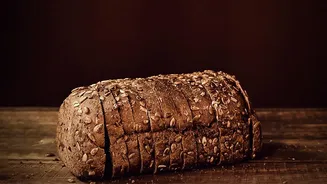
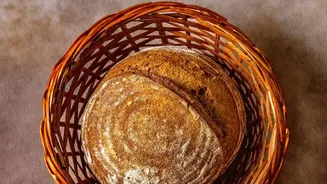
3.3-pound, 100% rye sourdough loaf. The price for this dense, dark bread is a jaw-dropping $60. For those not ready to commit, half and quarter loaves are available for $30 and $15, respectively. The bakery itself is an experience, with an open-concept design allowing customers to watch the entire theatrical process, from kneading to baking. This isn't just a transaction; it's designed to be an event, which is exactly what has made it a viral sensation on platforms like TikTok and Instagram.
Not Your Grandfather’s Deli Rye
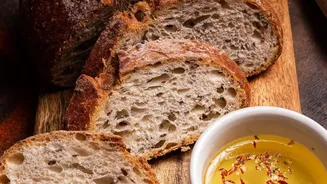
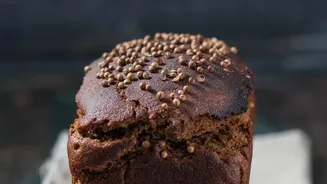
So, what makes this bread command such a premium? The owners, the Auer family, point to four ingredients: organic rye flour, water, salt, and time. The flour is imported directly from the family's home country of Austria. The sourdough starter, a living culture that gives the bread its distinctive tang, is reportedly 57 years old, passed down through generations. The process is painstakingly slow, involving a 24-hour fermentation period before the dough is even shaped and baked. After it comes out of the oven, the loaves must rest for at least eight more hours to set the dense, moist crumb and develop its complex flavor. The result is a product fundamentally different from the lighter, caraway-seeded rye that has been a staple of New York Jewish delis for a century. This is a dense, deeply flavorful Austrian-style bread, meant to be sliced thin and savored.
The Price of Authenticity or Absurdity?
The $60 price tag has, unsurprisingly, ignited a firestorm of debate. Critics online have labeled it absurd and out of touch, arguing that it transforms a historical peasant food into a luxury item exclusively for the wealthy. Other bakers have pointed out that while craft and quality ingredients cost more, this price point seems to venture into the territory of pure marketing. In Austria, a similar loaf from the same company sells for the equivalent of about $16. The owners defend the cost by citing the high price of importing their specific Austrian flour, the astronomical rent of a SoHo storefront, and the labor-intensive, small-batch process. The bakery reinforces its luxury positioning by selling accessories like a $230 serrated bread knife and a $480 storage container, turning the loaf into the centerpiece of an entire lifestyle brand.
A Conversation Piece You Can Eat
Ultimately, the rye loaf has become New York's latest talking point because it's about more than just bread. It’s a cultural symbol, a “conversation piece” in the same vein as the Cronut or a viral milkshake. For some, buying it is about curiosity and participating in a city-wide cultural moment. For others, it’s a status symbol, a way to signal discerning taste and the financial freedom to spend $60 on a staple. The phenomenon speaks to a larger trend in modern luxury, where authenticity, story, and craftsmanship are the ultimate commodities. People aren't just paying for flour and water; they're paying for the 57-year-old starter, the Austrian provenance, and the story of a fourth-generation bakery. It represents a particular vision of New York's ever-evolving food scene—one that is increasingly global, minimalist, and willing to place a high value on perceived craft.