






The Rise of the ‘Sweatcation’
Forget the guilt of skipping a workout for a poolside nap. The next wave of travel, dubbed the ‘sweatcation’ or fitness holiday, is all about integrating them. This isn't just about using the hotel gym; it's about travel designed around physical activity.
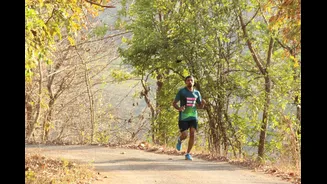
This can range from yoga retreats in Bali and Muay Thai camps in Thailand to marathon running in a new city or hiking expeditions. The Global Wellness Institute (GWI) predicts the wellness tourism market, which includes fitness-focused travel, will surge to an estimated $1.4 trillion by 2027. This growth signals a fundamental shift: travellers no longer see wellness as something to pause for a holiday, but as an integral part of the experience itself.
Why Is This Happening Now?
Several factors are driving this trend. A major catalyst was a heightened global focus on health and well-being. People now prioritise preventative health more than ever, a mindset that extends to their travel choices. Furthermore, modern travellers are increasingly seeking meaningful experiences over passive indulgence. Instead of just seeing a place, they want to engage with it, and activities like running tours or local sports offer a unique way to explore. Social media also plays a part, with influencers showcasing active getaways that inspire others. The desire is no longer just to come back from a holiday feeling relaxed, but to return feeling re-energised, stronger, and with a sense of accomplishment.
What Does a Fitness Holiday Look Like?
The options are becoming incredibly diverse. At one end are dedicated retreats and bootcamps that offer structured programming with expert coaches, nutritious meals, and a community of like-minded individuals. These environments are designed to remove the obstacles to a healthy lifestyle, making it feel natural rather than difficult. On the other end are travellers who integrate activity into more traditional holidays. This could mean choosing a hotel specifically for its advanced fitness facilities or class schedules, or planning a trip around a major sporting event like a marathon or a HYROX competition. Many now see it as a chance to discover new places and communities in a way typical tourism doesn't allow.
India and the ‘Bleisure’ Boom
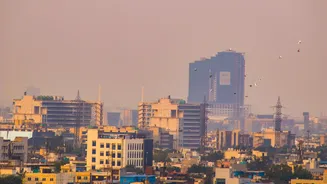
In India, this trend is intersecting with the rise of ‘bleisure’—the blending of business and leisure travel. A significant percentage of Indian business travellers are now extending their work trips for personal time, the highest rate in the Asia-Pacific region. Professionals travelling to business hubs like Bengaluru, Pune, and Hyderabad are adding a few extra days to explore, unwind, and often, stay active. Hotels are responding by offering packages that combine work-friendly amenities with wellness options like spa treatments, yoga sessions, and guided local tours. This makes it easier than ever for a business trip to double as a mini-wellness break, helping to combat work-related burnout.
The Outlook for 2027
Looking ahead, the line between travel, wellness, and daily life will likely blur even further. Experts predict that wellness will move beyond the spa and become integrated throughout the entire travel experience. This means hotels designed with natural light and ventilation, accommodations in unconventional locations that encourage outdoor activity, and a greater focus on mental and emotional well-being. Technology may also play a bigger role, with AI-driven wellness coaching and virtual reality-led meditation becoming more common. Ultimately, the prediction for 2027 is that travel will become less about escapism and more about personal growth, with travellers seeking trips that leave them feeling better than when they arrived.