




A Global Phenomenon Meets a Local Reality
The world cannot get enough of matcha. Exports of Japanese green tea have surged, with some reports indicating they have tripled in value over the last decade, and matcha accounts for the vast majority of that growth. The global market, valued at over USD
5 billion in 2025, is projected to expand significantly by the 2030s, driven by demand from North America, Europe, and other parts of Asia. This boom, fueled by social media and a growing health consciousness, has turned a traditional ceremonial beverage into a mainstream commodity. However, this explosion in popularity is creating a supply chain squeeze. Japan is facing what some are calling the first genuine matcha shortage in the history of its tea trade, with prices for the raw leaves skyrocketing.
The Choice: Sencha vs. Tencha
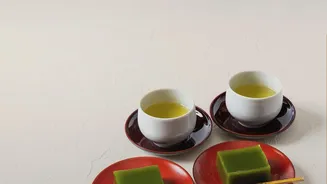
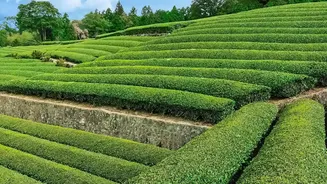
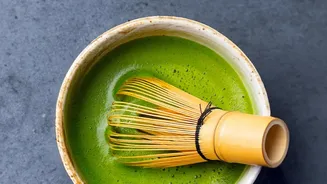
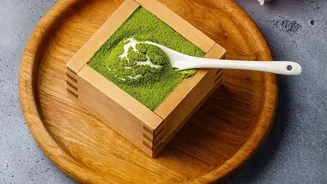
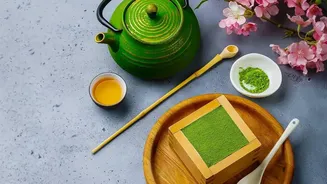
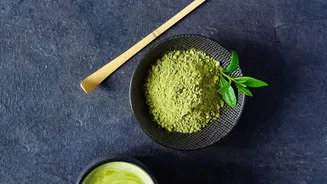
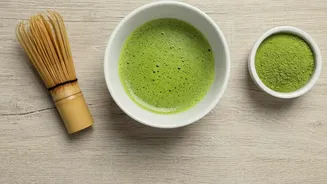
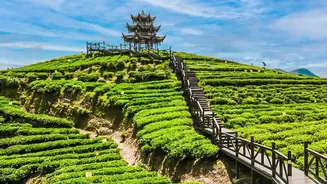
At the heart of the farmers' dilemma is the difference between two types of tea: sencha and tencha. Sencha is Japan's traditional, everyday green tea, brewed from leaves grown in full sun. Tencha, on the other hand, is grown under shade for several weeks before harvest. This labor-intensive process boosts chlorophyll and flavor compounds, creating the unique character of matcha, which is made by stone-grinding tencha leaves. For generations, sencha has been the backbone of the domestic tea industry. But as Japanese consumers increasingly opt for bottled teas and coffee, domestic demand for sencha has declined, leaving many farmers struggling with low prices. In stark contrast, the price of tencha has soared, at times fetching nearly five times the price of sencha at auction, making the switch seem like an obvious financial decision.
The High Stakes of Switching Over
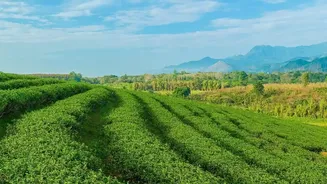
Pivoting from sencha to tencha is not a simple choice. It requires significant upfront investment in shading structures and potentially new processing equipment. The cultivation methods are different, demanding new skills and techniques. Furthermore, the decision is largely irreversible without another substantial investment, meaning farmers are making a long-term bet on the matcha trend continuing. This is a risky proposition, especially for smaller family farms that form the bedrock of Japan's tea industry. The sector is already facing a severe structural crisis, with the number of tea farming operations plummeting by over 75% in two decades due to an aging workforce and a lack of successors. For many, the capital required to chase the matcha boom is simply out of reach.
An Unintended Consequence for a National Staple
The rush to tencha is creating an unexpected casualty: a shortage of sencha for the domestic market. As more fields are converted to shaded cultivation for matcha, less land is available for Japan's most common tea. This has caused sencha prices to rise dramatically, with some major beverage companies in Japan forced to increase the price of their iconic bottled green teas. The irony is stark: a global trend is making a domestic staple more expensive for the Japanese population. This has created a deep cultural and economic tension, pitting the lucrative export market against the preservation of a national tradition. Some farmers remain hesitant to abandon sencha entirely, hoping to strike a balance between serving a loyal domestic customer base and capitalizing on the profitable matcha craze.
Navigating a Future Paved with Green Gold
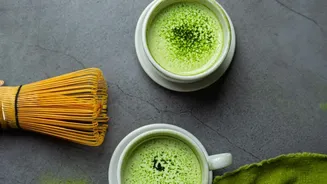
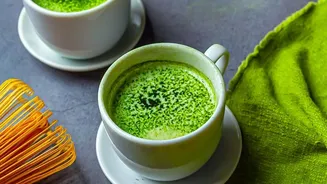
The matcha boom presents both a lifeline and a profound challenge. For some farmers, the stunning price of tencha offers a renewed sense of purpose and financial stability, encouraging a younger generation to stay in the family business. However, the pressure to produce volume for the global culinary market—used in lattes and desserts—risks diluting the focus on high-grade, ceremonial matcha that defines Japan's artisanal legacy. The market is splitting, with premium Japanese matcha competing on quality while a growing volume of lower-grade matcha, including from other countries like China, caters to the mass market. Farmers are now at a crossroads, forced to decide whether to invest in the high-volume culinary game or double down on the high-quality, traditional methods that made Japanese tea famous in the first place.