

The Allure of Ube's Purple Reign
First, let’s talk about ube. Pronounced 'oo-beh', this ingredient is a purple yam that has been a staple in Filipino cuisine for centuries. Its popularity comes from two key attributes: a stunningly vibrant purple colour and a unique flavour profile.
The taste is often described as a mellow and nutty mix of vanilla and pistachio, making it a natural fit for desserts. For generations, it has been the star of Filipino sweets like 'ube halaya' (a rich jam), ice creams, and cakes. Now, thanks to its visual appeal on social media platforms, this purple yam is no longer a secret. It has become a global phenomenon, finding its way into lattes, pastries, and fusion desserts in cafes far beyond the Philippines. In India, Google search interest for ube hit an all-time high in August 2026, a clear signal of its arrival as a mainstream trend.
Hojicha: The Toasty Tea Alternative
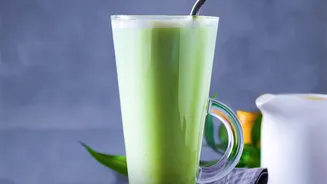
On the other end of the colour and flavour spectrum is hojicha. This is a Japanese green tea, but with a twist. Unlike the fresh, vegetal taste of sencha or matcha, hojicha is made by roasting the tea leaves over charcoal. This process, first developed in Kyoto around the 1920s to make use of leftover tea leaves and stems, transforms the flavour entirely. The roasting removes much of the bitterness and reduces the caffeine content, resulting in a tea that is nutty, toasty, and has an almost caramel-like sweetness. It's a comforting, earthy brew often enjoyed in the evening in Japan. As Indian consumers become more familiar with Japanese tea culture, hojicha is emerging as an intriguing alternative for those who might find other green teas too intense. Search data confirms this, with queries for hojicha peaking in India in March and again in August 2026.
The Search Data: A Map of Curiosity
So, which parts of India are most curious about these new flavours? According to Google's data, the interest is not randomly spread but concentrated in specific regions. For ube, Telangana is leading the nation in search queries. This indicates a strong and growing curiosity for the purple yam in the state. People are searching for 'ube latte' and 'ube cafe', showing they are actively looking for places to try it. When it comes to hojicha, the interest is centred elsewhere. Delhi has emerged as the primary hub for hojicha-related searches. Residents of the capital are looking up 'what is hojicha' and comparing it to its more famous cousin, matcha, with 'hojicha vs matcha' becoming a breakout search query. This pattern suggests that in Delhi's mature cafe market, consumers are looking for the next sophisticated tea experience.
Why Now? The Social Media and Cafe Effect
The rise of ube and hojicha in India can't be separated from the 'camera eats first' culture dominating food trends. Ube's brilliant purple is incredibly 'Instagrammable', making it an instant hit on social media feeds where visual appeal is paramount. As cafes across metropolitan India compete for attention, a photogenic menu is a powerful tool. Dishes and drinks made with ube are guaranteed to be shared online, generating organic buzz. Hojicha, while more subdued in colour, appeals to a different but equally powerful trend: wellness and authenticity. As consumers become more educated about different types of tea, hojicha offers a new story—one of Japanese tradition, roasted flavour, and lower caffeine. This curiosity is moving from online searches to real-world behaviour. The growth in queries like 'ube cafe' and 'hojicha latte' shows that people aren't just browsing; they are seeking out these experiences in their cities.