





The World's Most Critical Chokepoints
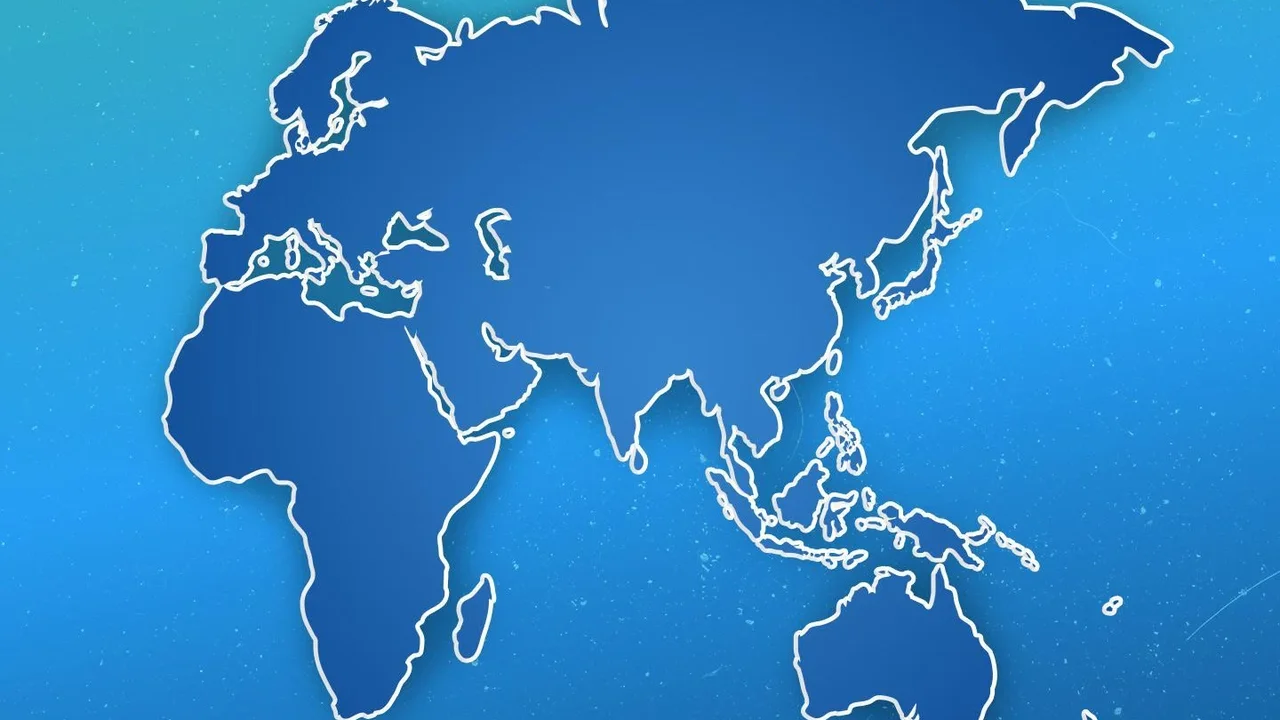
The Strait of Hormuz and the Bab el-Mandeb are two of the most important maritime chokepoints in the world. Hormuz connects the Persian Gulf to the Gulf of Oman and the open ocean, while Bab el-Mandeb, the "Gate of Grief," connects the Red Sea to the Gulf of Aden
and the Indian Ocean. Together, they form a critical corridor for global trade, especially for energy supplies moving from the Middle East to Asia, Europe, and beyond. Under normal conditions, about a quarter of the world's seaborne oil and a significant portion of its liquefied natural gas (LNG) pass through these straits. Their narrowness makes them vulnerable to blockades or attacks, which can have an outsized impact on the global economy.
Why Disruption Matters to India
For India, which imports over 85% of its crude oil, the stability of these sea lanes is a matter of national economic security. A significant portion of India's energy imports travels through these chokepoints. Any disruption, whether in Hormuz or Bab el-Mandeb, can lead to a cascade of negative effects. This includes delays in critical imports, a spike in shipping and insurance costs, and subsequent pressure on domestic inflation as higher transport costs are passed on to consumers. With regional tensions often flaring, as seen with recent Houthi rebel activity in the Red Sea and broader conflicts involving Iran, the risk of disruption is a constant concern for New Delhi.
The CareEdge Disruption Scenario
Ratings agencies like CareEdge analyze these risks to forecast potential economic impacts. A shipping-disruption scenario typically models the consequences of a partial or full closure of these straits. The core of such a scenario involves ships being forced to reroute around Africa's Cape of Good Hope. This diversion adds thousands of kilometers and an average of 10-14 more days to each voyage. This immediately increases fuel consumption, labor costs, and the demand for vessels, as more ships are needed to move the same amount of cargo over longer distances. The scenario would project a sharp increase in freight rates, potentially by several hundred percent, as seen during previous disruptions.
The Immediate Impact on Shipping
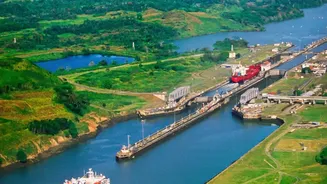
In a disruption event, the first and most obvious impact is on the shipping industry itself. Rerouting vessels is not a simple decision. It leads to a dramatic increase in operational costs. For example, a single journey from Asia to Europe can incur hundreds of thousands of dollars in additional emissions costs alone when forced to bypass the Suez Canal. Marine insurance premiums for voyages near the conflict zone would skyrocket, adding another layer of expense. Furthermore, the longer transit times create a logistical nightmare, leading to port congestion at major hubs like Singapore and in the Mediterranean as schedules are thrown into disarray. This effectively shrinks global shipping capacity, putting immense pressure on supply chains that are already stretched.
The Ripple Effect on the Global Economy
The chaos in shipping quickly translates into tangible economic consequences for everyone. Higher freight costs are inevitably passed on from carriers to businesses, and ultimately, to consumers in the form of higher prices for imported goods. Analysts estimate that a sustained shipping crisis could add significant points to global inflation. The delay in receiving raw materials and finished products can halt production lines and lead to shortages. For energy markets, the uncertainty alone can cause crude oil prices to spike as markets price in the risk of supply delays. During past crises, trade volumes through the Suez Canal have plummeted by as much as 50%, demonstrating how quickly and severely these chokepoints can affect global commerce.