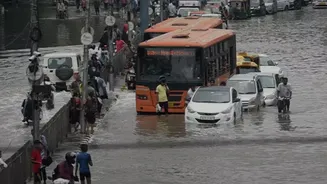








The Deluge and the Damage
Beginning around the night of July 31 and intensifying through early August 2026, a brutal spell of rain swept across Kerala, with some areas experiencing near-cloudburst conditions. The India Meteorological Department (IMD) reported extreme rainfall,
with some gauges recording over 300 mm in 24 hours. The downpour was particularly severe in the hilly regions of districts like Pathanamthitta, Idukki, and Kottayam, leading to devastating landslides that buried homes and claimed lives. As of early August, officials confirmed a death toll rising above 20, with several people missing and thousands evacuated to over 200 relief camps across the state. Rivers like the Pamba overflowed, submerging towns and destroying infrastructure.
A Cascade of Official Alerts
The warning systems, revamped after the catastrophic 2018 floods, were active. The IMD began issuing alerts in the days leading up to the event. By August 1, a red alert—indicating extremely heavy rainfall—was in force for eight to nine districts. On August 4, the IMD upgraded existing orange alerts to red alerts for eight districts, anticipating rainfall over 204 mm in 24 hours. These warnings were disseminated by the Kerala State Disaster Management Authority (KSDMA), which advised the public to remain vigilant, instructed fishermen not to go to sea, and placed National Disaster Response Force (NDRF) teams on standby. The state government maintained that it acted on every alert it received from the central agency.
The Gap Between Warning and Reality
Despite the formal warnings, questions are being raised about their effectiveness on the ground. The primary criticism revolves around the inability to predict highly localised, intense downpours that develop with little notice, especially at night. This leaves a dangerously narrow window for evacuation. Kerala's Revenue Minister acknowledged that while the state disseminates IMD alerts, any lapse in forecasting precision rests with the central agency. Some experts and residents noted that the rainfall's intensity felt far greater than anticipated, suggesting a disconnect between the official warnings and the lived experience. This 'last-mile' communication challenge—ensuring that a broad red alert translates into urgent, life-saving action in a specific, vulnerable hamlet—remains a critical hurdle.
An Era of Unpredictable Extremes
This event highlights a paradox at the heart of Kerala's changing climate. The floods occurred after a monsoon season that had, until late July, seen a significant rainfall deficit in many districts. The weather pattern then flipped violently, delivering a huge volume of rain in a very short period. Experts point out that this is the new normal: not necessarily more annual rain, but more intense, concentrated, and destructive bursts. The disaster is a harsh reminder that while early warning systems have improved since 2018, they are struggling to keep pace with a climate that is becoming more erratic. The problem is compounded by decades of ecological degradation, including the loss of wetlands and paddy fields that once acted as natural buffers against floods.