







Master Your Liquids, Gels, and Aerosols
The most common reason for delays at the security checkpoint is the mishandling of liquids. In India, airport security, managed by the Central Industrial Security Force (CISF), adheres to a strict international rule. Any liquid, aerosol, or gel in your
hand baggage must be in a container that is 100ml or smaller. It’s the size of the container that matters, not the amount of liquid inside. All these small containers must then fit comfortably into a single, transparent, resealable plastic bag with a total capacity of one litre. To make your screening seamless, pack this clear bag last, at the very top of your carry-on. This allows you to remove it instantly and place it in the tray without having to dig through your entire bag. Remember, this rule applies to everything from water bottles and perfumes to creams, pastes, and even some food items.
Strategise Your Electronics
In today’s connected world, we travel with a host of gadgets. Packing them correctly is crucial for a quick security check. According to directives from the Bureau of Civil Aviation Security (BCAS), large electronics like laptops and tablets must be removed from your bag and placed in a separate tray for X-ray screening. This allows the scanner to get a clear image of the device's internal components. The most common error passengers make is leaving a laptop inside a crowded bag, which almost always triggers a manual bag search and causes delays for everyone. Power banks are another critical item; for safety reasons, they must be carried in your cabin baggage only and never in your checked luggage. Ensure your power banks are within the airline's specified watt-hour (Wh) limit, as high-capacity ones may be restricted.
Pack With the X-Ray in Mind
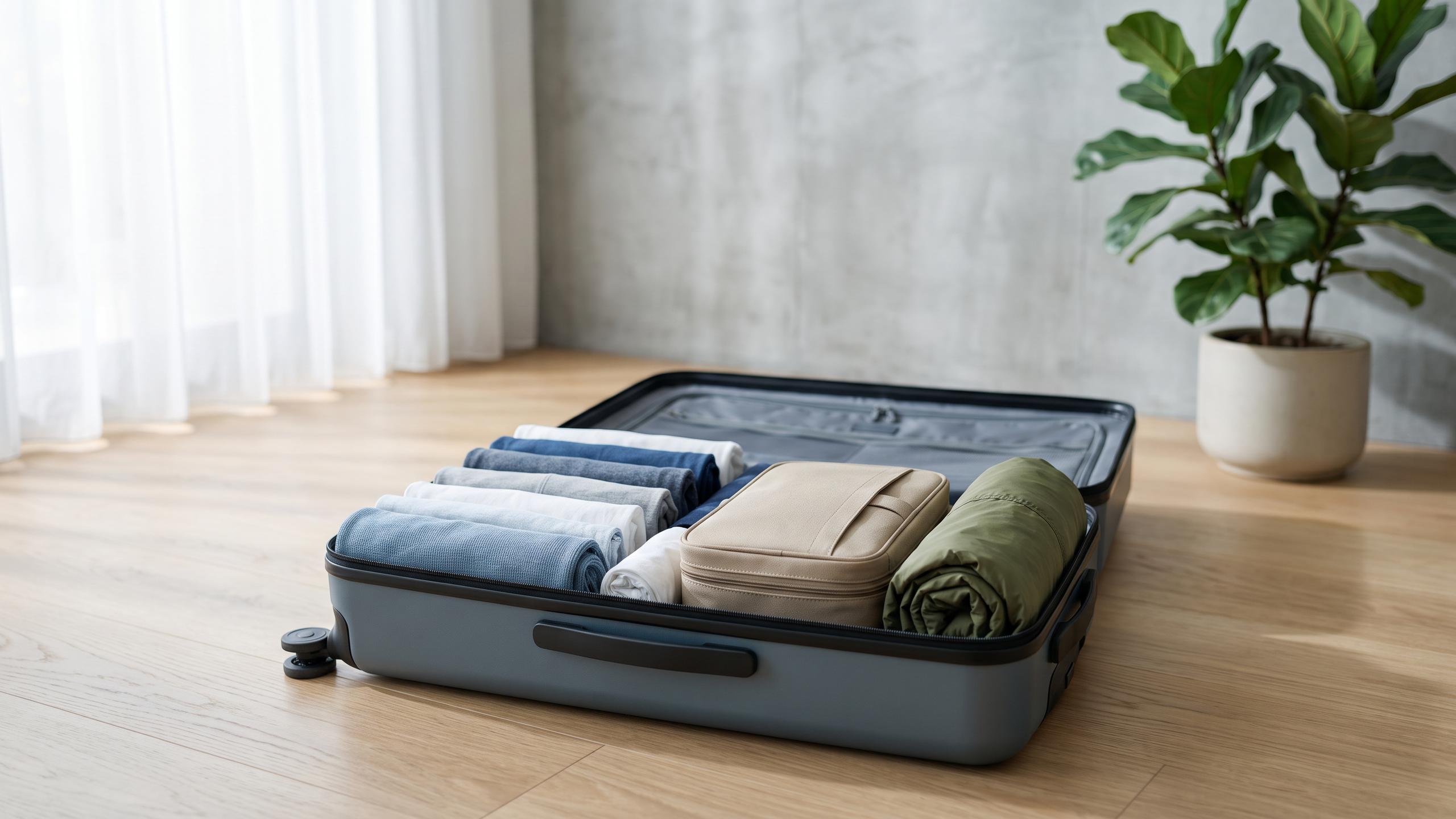
Think of your bag as a file cabinet that security needs to read quickly. A chaotic bag is an illegible one. Pack in organised layers. Place heavier items like shoes at the bottom, roll clothes to save space, and keep all your electronic accessories like chargers and cables coiled and in a single pouch. Most importantly, keep the items you know you’ll need to remove—your liquids bag and your laptop—in an easily accessible top compartment or pocket. This prevents the frantic, last-minute unpacking that holds up the line. A well-organised bag not only speeds up your own screening but also makes the process smoother for those behind you.
Dress for a Faster Screening
What you wear to the airport can have a surprising impact on your security experience. Metal is the main culprit that triggers the walk-through metal detectors. To avoid a secondary pat-down, minimise the metal on your person. This means opting for shoes without metal buckles or shanks, packing your big metal belt in your checked luggage, and keeping jewellery to a minimum. Slip-on shoes are a great choice as you may be asked to remove them. Before you even join the queue, empty your pockets of all coins, keys, and your phone, placing them into a pocket of your jacket or directly into your carry-on bag. Taking these items off at the last second while juggling your bags and boarding pass is a recipe for stress and lost items.
The Final Approach: Be Ready in the Queue
The security process begins before you reach the trays. Use your time in the queue wisely. Have your boarding pass and ID ready for inspection. If you're wearing a jacket or a heavy shawl, take it off while you wait. Loosen your belt. Get your pre-packed liquids bag and your laptop out of your carry-on, ready to be placed in the trays. By the time you arrive at the conveyor belt, you should be fully prepared to place your belongings in the trays without hesitation. For an even faster experience, consider using DigiYatra, India's biometric boarding system, which is available at many major airports and can significantly speed up the document-check portion of security.