







What Exactly Is African Sour Fig?
African Sour Fig, known scientifically as Carpobrotus edulis, is a succulent plant native to South Africa. It also goes by several other names, including Hottentot fig, ice plant, and Cape fig. This hardy, creeping plant is recognised by its thick, fleshy,
three-sided leaves and large, daisy-like yellow flowers that can fade to pink. It thrives in coastal and sandy environments, often forming dense mats that help stabilise soil. For centuries, indigenous communities in South Africa, particularly the Khoisan people, have valued the plant for both food and traditional medicine. While its leaves have been used for skin ailments, the fruit has been a traditional food source, eaten both fresh and made into jams.
The Undeniable Power of Dietary Fibre
Before diving into the specifics of the sour fig, it's important to understand why fibre is a hero for our digestive system. Dietary fibre is a type of carbohydrate that the body can't digest. It plays a crucial role in maintaining gut health. Insoluble fibre adds bulk to stool, which helps promote regular bowel movements and prevent constipation. Soluble fibre, on the other hand, can dissolve in water to form a gel-like substance, which can help soften stool and also serves as a food source for the beneficial bacteria living in our gut. A healthy gut microbiome is linked to numerous aspects of overall health, from digestion to immunity. The general recommendation from health experts is to consume a variety of fibre-rich foods like fruits, vegetables, whole grains, and legumes.
Sour Fig's Role in Digestive Wellness
The traditional use of African Sour Fig for digestive issues is what has sparked modern interest. The fruit was historically consumed to aid digestion and relieve constipation. These traditional practices are largely attributed to the plant's composition. Like many fruits, the sour fig contains dietary fibre, which is essential for healthy digestive function. Scientific analysis shows the plant contains a good supply of nutrients, primarily carbohydrates, along with various bioactive compounds like flavonoids and tannins. While specific large-scale clinical trials on sour fig for digestion are limited, its traditional use and known fibre content provide a basis for the claim that it may support digestive health. The leaf juice has also been used traditionally to treat issues like diarrhoea and stomach cramps.
How to Use It and Where to Find It
Traditionally, the fruit of the sour fig is eaten once it's ripe, becoming yellowish and soft. The taste is described as intensely tart, sour, and slightly salty. Due to this strong flavour, it's most popularly made into a tart jam, chutney, or preserves. The succulent leaves can also be eaten, though they are quite astringent; they are sometimes sliced thinly into salads or used as a substitute for pickled cucumbers. Finding fresh African Sour Fig in India can be a challenge. While some online sellers on platforms like Etsy or Desertcart may offer seeds, cuttings, or plant-based powders, it is not a common item in local markets. In many parts of the world, including Australia and California, it is considered an invasive species because of how quickly it spreads and displaces native plants.
A Piece of a Much Bigger Puzzle
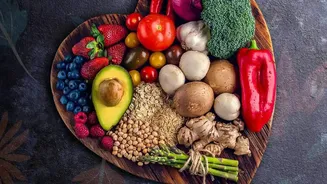
It's crucial to frame the benefits of African Sour Fig within the context of a 'balanced diet,' as the headline suggests. No single food can revolutionize your gut health overnight. While the sour fig is an interesting and nutrient-dense plant, its primary value lies in being another potential source of dietary fibre. The principles of good digestive health remain the same: eat a wide variety of plant-based foods to get a mix of different fibres and nutrients, stay hydrated, and engage in regular physical activity. The story of the African Sour Fig serves as a great reminder to explore the diverse world of edible plants, but its role should be seen as complementary to, not a replacement for, a diet rich in more accessible fruits, vegetables, and whole grains.