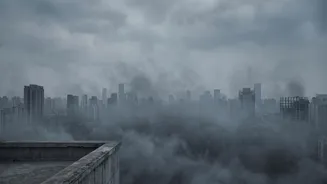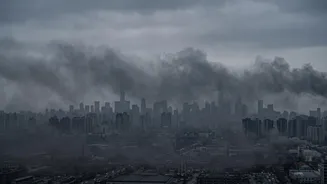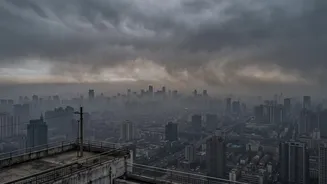








What Exactly Is This Smog?
The thick, hazy air blanketing the region is a toxic cocktail of pollutants. The primary culprits are fine particulate matter known as PM2.5 and PM10. These aren't just dust; they are microscopic solid and liquid particles from vehicle exhaust, industrial
emissions, construction dust, and seasonal crop burning. To put their size into perspective, PM2.5 particles are so tiny—less than 2.5 micrometres in diameter—that about 30 of them could fit across the width of a single human hair. This minuscule size is precisely what makes them so dangerous. While larger particles get trapped in the nose and throat, PM2.5 can bypass these natural defenses and travel deep into the respiratory system.
How Particles Harm Your Lungs
When you inhale PM2.5, these particles embark on a destructive journey deep into your lungs, reaching the tiny air sacs (alveoli) where oxygen enters the blood. Here, they can irritate and corrode the alveolar wall, leading to inflammation. This inflammation can trigger a range of respiratory symptoms, including coughing, wheezing, and shortness of breath. For someone with a healthy respiratory system, this might cause temporary discomfort. But for those with pre-existing conditions, it can provoke severe episodes, like an asthma attack. The damage doesn't stop there. Some of these fine particles are so small they can even pass from the lungs into the bloodstream, posing risks to the cardiovascular system and other organs.
Identifying the Most Vulnerable Groups
While smog is unhealthy for everyone, certain groups are disproportionately affected. These 'sensitive groups' include children, older adults, pregnant women, and individuals with pre-existing health conditions. Children are at higher risk because their lungs are still developing, and they breathe in more air relative to their body weight than adults. Older adults may have reduced lung capacity and weaker immune systems, making them more susceptible to respiratory infections exacerbated by pollution. People with chronic respiratory diseases like asthma or COPD, and those with heart conditions, can experience a significant worsening of their symptoms, sometimes leading to hospitalization or even premature death. Recent studies also highlight risks for pregnant women, with pollution linked to adverse outcomes.
Know the Telltale Warning Signs
Recognizing the body's reaction to poor air quality is the first step toward protecting yourself. Initial symptoms of smog exposure are often mild but shouldn't be ignored. They can include irritation in the eyes, nose, and throat, a persistent cough, and congestion. As exposure continues or if you are in a sensitive group, more serious symptoms can develop. These include chest tightness or pain, wheezing, significant shortness of breath, and unusual fatigue. For people with asthma, a key warning sign is the increased need to use a rescue inhaler. Paying attention to these signals and reducing your exposure can prevent a mild reaction from escalating into a serious health event.
How to Protect Yourself and Your Family
You can take practical steps to minimize your exposure during high-pollution days. The most effective strategy is to stay indoors as much as possible, keeping windows and doors closed. When you must go outside, wear a high-quality N95 or N99 mask, as simple cloth masks are not effective against PM2.5 particles. It’s also wise to avoid strenuous outdoor exercise, as this increases the volume of polluted air you inhale. At home, using an air purifier with a HEPA filter can significantly improve indoor air quality by trapping fine particulates. Regularly check the Air Quality Index (AQI) to stay informed about daily pollution levels and plan your activities accordingly. These measures are especially critical for ensuring the safety of children, the elderly, and those with chronic health issues.