




Chennai’s Medu Vada: The Doughnut-Shaped Icon
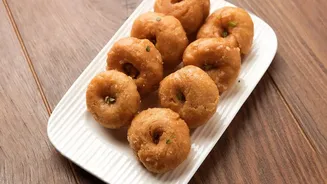
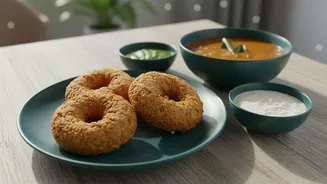
In Chennai and across South India, the quintessential breakfast vada is the Medu Vada. With a name that translates to 'soft vada', this variety is famed for its distinctive doughnut shape, crispy golden-brown exterior, and pillowy-soft interior. It is made
from a meticulously prepared batter of urad dal (black gram), which is soaked, ground into a thick paste, and aerated to achieve its signature fluffiness. The batter is often spiced with ginger, black pepper, cumin seeds, and curry leaves. Typically served piping hot from the fryer, Medu Vada is the classic partner to idli. At any breakfast joint, from bustling street-side stalls to established 'tiffin centres', you will find it served with a steaming bowl of sambar for dipping and a side of fresh coconut chutney.
Mumbai’s Batata Vada: The Heart of Vada Pav
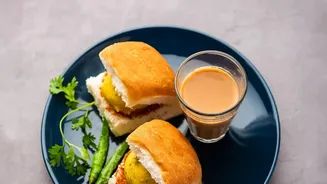
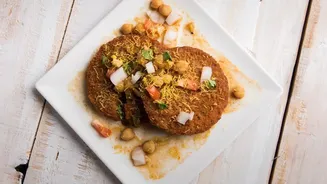
Travel west to Mumbai, and the vada undergoes a complete transformation. Here, the Batata Vada reigns supreme. This version isn't made from lentils but features a flavourful, spicy mashed potato filling. The potato mixture—seasoned with ginger, garlic, green chillies, and mustard seeds—is rolled into a ball, coated in a thick gram flour (besan) batter, and deep-fried to a perfect golden hue. While you can eat Batata Vada on its own with chutney, its true calling is as the star of Mumbai’s most iconic street food: the Vada Pav. The hot fritter is tucked into a soft bread roll called a 'pav', often slathered with spicy dry garlic chutney, and served as a quick, affordable, and incredibly satisfying breakfast or snack for people from all walks of life.
Kerala’s Parippu Vada: The Crunchy Lentil Disc
In the tea stalls and homes of Kerala, especially as an evening snack that often doubles as a breakfast item, you'll find the Parippu Vada. Unlike the soft Medu Vada, this version is celebrated for its rugged, crunchy texture. It's primarily made from toor dal (pigeon peas) or chana dal (split chickpeas), which are soaked and ground into a coarse paste. This coarse mixture is combined with finely chopped onions, ginger, green chillies, and fragrant curry leaves before being shaped into rough, flattened discs and fried. The result is a savoury, spicy fritter that is crispy through and through. The classic Keralite way to enjoy Parippu Vada is with a hot glass of 'chaya' (tea), creating a simple yet beloved combination found in countless wayside eateries.
Gujarat’s Dal Vada: The Spongy Monsoon Favourite
In Gujarat, particularly Ahmedabad, the Dal Vada is a celebrated street food, especially popular during the monsoon season but enjoyed year-round. These vadas are typically made from moong dal (split green gram), often with the skin left on, which imparts a unique texture and flavour. The soaked dal is ground into a coarse batter with ginger and green chillies. The key to a perfect Gujarati Dal Vada is a batter that is whisked until light and airy, resulting in a fritter that's delightfully crispy on the outside but soft and spongy inside. They are not usually served with a chutney or sambar; instead, these flavourful vadas are most commonly served hot with a side of sliced raw onions and fried green chillies, making for a simple, rustic, and addictive snack.
North India's Dahi Vada: A Cool Chaat Variation
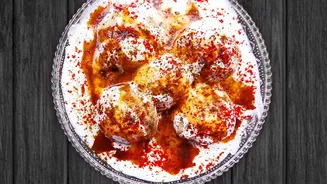
While more commonly categorized as a 'chaat' or cold snack rather than a hot breakfast, the Dahi Vada is a prominent member of the vada family, especially popular across North India. Here, lentil vadas, similar in base to Medu Vadas, are first deep-fried and then soaked in water to make them incredibly soft. After being gently squeezed to remove excess water, these spongy vadas are submerged in a generous amount of creamy, whisked yogurt (dahi). The dish is then garnished with a variety of sweet, spicy, and tangy chutneys, such as tamarind and mint, and a sprinkle of spices like cumin powder and red chilli powder. It offers a completely different experience—cool, refreshing, and bursting with a complex blend of flavours.