

The New Neutral Power Couple
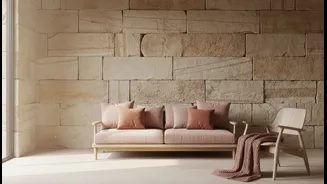
Think of sandstone and dusty rose not as aggressive colours, but as warmer, more interesting neutrals. Sandstone is an earthy, comforting beige with warm yellow or tan undertones, evoking sun-baked landscapes. It’s a versatile and sophisticated base that
feels both modern and timeless. Dusty rose, on the other hand, is a muted pink with grey, brown, or violet undertones. This 'dustiness' elevates it from a sweet, youthful pink to a composed, elegant shade that adds a gentle, nostalgic touch. Together, they create a palette that is grounded, serene, and effortlessly chic.
Pairing with Your Existing Neutrals
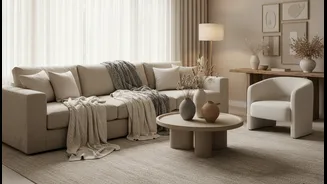
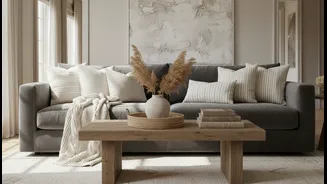
The beauty of this duo is their ability to blend seamlessly with the neutrals you already have. They bring warmth to cool charcoals and modern greys, preventing a space from feeling too sterile. Against a backdrop of classic ivory, cream, or off-white, sandstone and dusty rose appear soft and glowing, enhancing the room's light. For those with warmer beige or tan walls and furniture, layering in these colours adds depth and prevents the scheme from feeling flat or one-dimensional. The key is that they harmonize rather than compete, enriching your existing palette.
Using Sandstone as a Warm Foundation
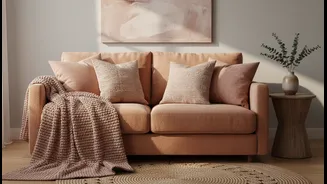
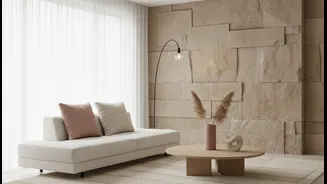
Sandstone is your anchor. Because of its earthy, neutral quality, it can be used in larger applications without overwhelming a room. Consider painting a feature wall in a warm sandstone hue to create a cozy, inviting focal point. If painting feels like too much of a commitment, introduce sandstone through significant furniture pieces. A comfortable sofa in a sandstone-coloured fabric, a large area rug with sandy tones, or even curtains can establish a warm and cohesive base. These larger elements will ground the space and serve as the perfect canvas for other accents.
Layering in Dusty Rose Accents
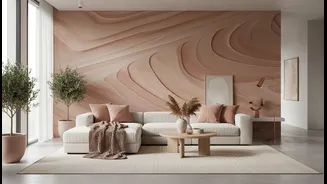
Dusty rose is where you can add personality and a touch of romance. Use it as your primary accent colour. Scatter velvet or linen cushions in dusty rose on your sofa or bed. Drape a soft throw over an armchair. Introduce the colour through artwork, ceramic vases, or even lampshades. A single, statement piece like a dusty rose armchair can become a sophisticated focal point in a living room. These smaller touches are easy to change and allow you to control the amount of colour, ensuring it remains a subtle and refined addition.
Achieving the Perfect Balance
A simple way to ensure a balanced look is to think in layers. Start with your dominant neutral (like white or grey walls) as your main backdrop. Then, introduce sandstone as your secondary colour through furniture and larger textiles. Finally, sprinkle in dusty rose as your accent in smaller decorative items. This layered approach creates visual interest and depth. Don't forget texture. Pairing these colours with natural materials like wood, rattan, linen, and wool enhances their earthy, organic feel and creates a richer, more tactile experience in the home.
Beyond the Living Room
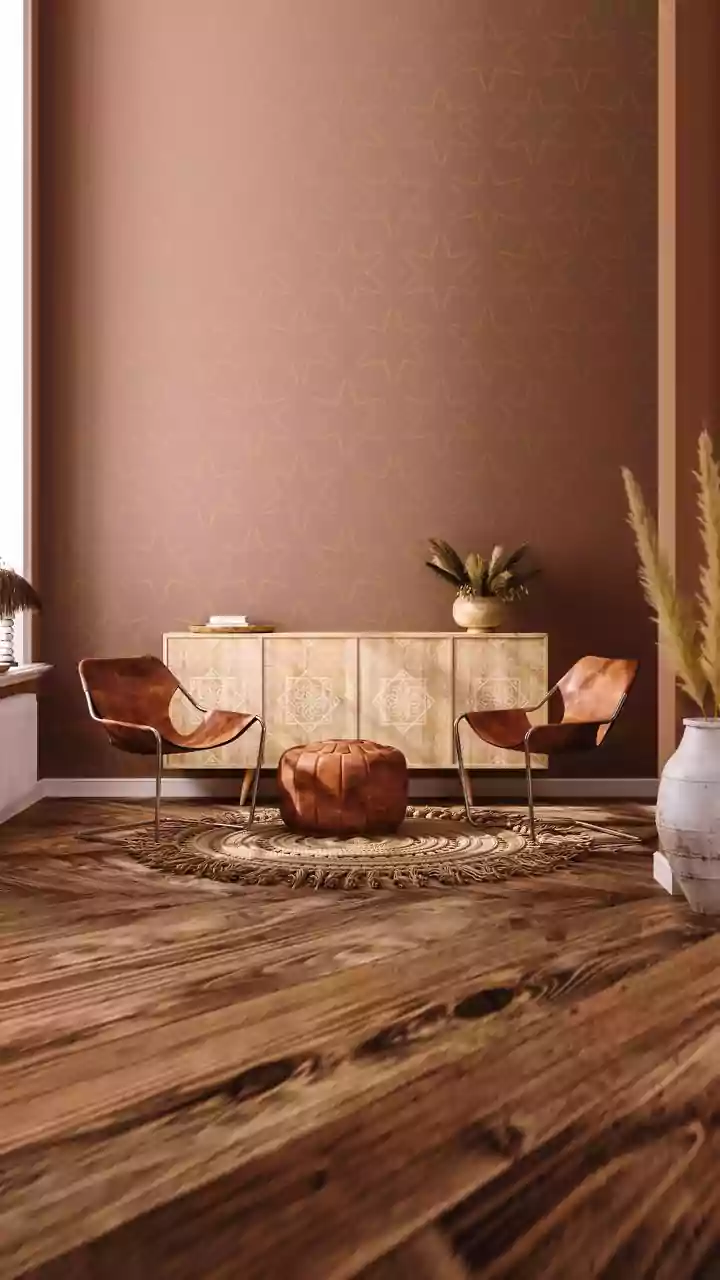
This calming palette is not just for the living room. In a bedroom, sandstone walls paired with a dusty rose-coloured duvet or headboard can create a truly serene and romantic retreat. In an entryway, a dusty rose wall can make a welcoming first impression, especially when paired with natural wood or black-and-white accents for an eclectic feel. Even a bathroom can be transformed with sandstone-coloured tiles and dusty rose towels and accessories, turning it into a spa-like oasis. The combination is versatile enough to bring warmth and sophistication to any corner of your home.