





An Authentic Slice of Local Life
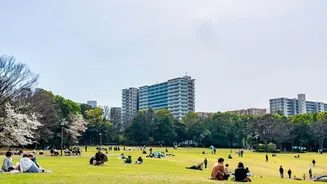
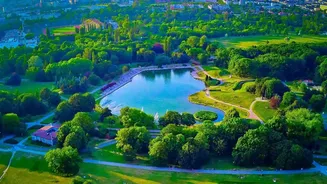
While famous landmarks are filled with other tourists, Japan's city parks offer a genuine glimpse into the daily lives of its residents. These green oases are where locals go to unwind, exercise, walk their dogs, and spend time with their families. In
Tokyo's Yoyogi Park, you can see everything from weekend picnics and street performers to couples strolling and joggers on their daily run. Most of these parks are free to enter, providing a budget-friendly way to spend an afternoon people-watching. This is where you'll feel the city's pulse, not as a tourist, but as a quiet observer, offering a peaceful respite from the urban hustle.
Living Museums of History and Culture
Many of Japan's most famous parks are steeped in history, functioning as open-air museums. Ueno Park in Tokyo, one of Japan's first public parks, was originally the grounds of the powerful Kaneiji Temple. Today, it houses a staggering number of cultural institutions, including the Tokyo National Museum, the National Museum of Western Art, and Ueno Zoo. Similarly, Kyoto Gyoen National Garden envelops the Kyoto Imperial Palace, the former residence of the Emperor. Once a residential area for court nobles, it was transformed into a public garden after the capital moved to Tokyo. Walking through these parks feels like a journey through time, with ancient shrines, historic statues, and centuries-old trees at every turn.
A Front Row Seat to Nature's Calendar
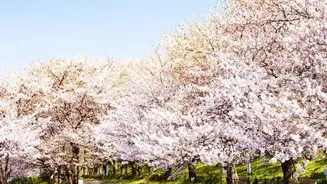
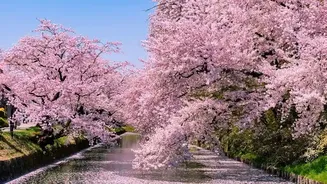
Japan is famous for its distinct seasons, and city parks are the best stage to watch the spectacle unfold. In spring, parks like Ueno Park and Shinjuku Gyoen are flooded with people for hanami (cherry blossom viewing), a tradition that has continued for centuries. Ueno Park alone draws over two million visitors during sakura season. In autumn, the ginkgo trees in Yoyogi Park and the maples in Shinjuku Gyoen turn brilliant shades of gold and red. But even beyond these peak seasons, there is always something to see. From the summer lotuses on Shinobazu Pond to the tranquil snow-covered landscapes of winter, parks offer a constantly changing and beautiful natural display right in the heart of the city.
Discover the Art of the Japanese Garden
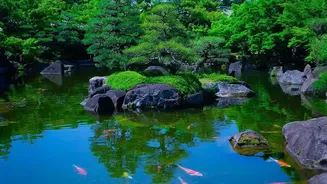
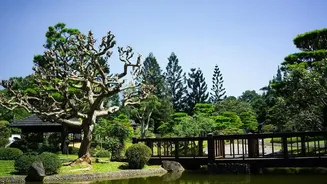
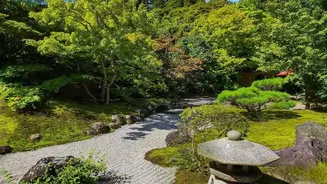
Within these larger public spaces, you will often find meticulously designed traditional Japanese gardens, which are artworks in their own right. Parks like Shinjuku Gyoen in Tokyo famously feature multiple styles, including a traditional Japanese landscape garden with ponds and bridges, a formal French garden, and an English landscape garden. These gardens are built on principles of symbolism, asymmetry, and capturing nature in an idealized form. Rocks may represent mountains, while ponds symbolize seas. Exploring these spaces offers a deeper appreciation for Japanese aesthetics and the philosophical connection between nature and humanity.
A Hub for Festivals and Events
Far from being just quiet spaces, Japanese parks are vibrant hubs for festivals and community events. Throughout the year, parks like Yoyogi Park and Ueno Park host everything from cultural celebrations like the Thai and Laos festivals to food fairs and concerts. In summer, you might stumble upon a traditional Bon Odori dance festival or a dazzling fireworks display. These events are a fantastic way to experience modern Japanese culture, try different foods from stalls, and mingle with locals in a lively, celebratory atmosphere. They offer an immersive cultural experience that is often more spontaneous and dynamic than a museum visit.