




A Global Stage in Auckland
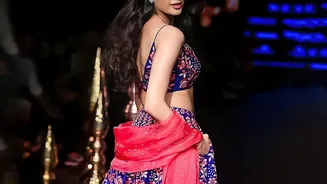
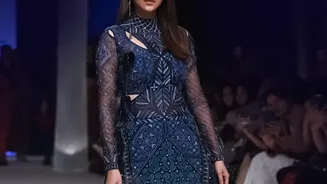
New Zealand Fashion Week 2026 became a landmark venue for Indian textile heritage with the "Khadi Beyond Borders" showcase. This curated event, a collaboration between the Fashion Design Council of India (FDCI) and NZFW, aimed to present Khadi's evolution
from a symbol of independence to a fabric of contemporary global fashion. The showcase featured a solo presentation by influential designer Rajesh Pratap Singh, followed by collections from Samant Chauhan, Shruti Sancheti, and Pawan Sachdeva. The event was not merely a display of garments but a significant act of cultural and fashion diplomacy, stemming from a partnership aimed at creating reciprocal platforms for designers from both nations. For a global audience, it was a powerful demonstration that Khadi is not just history; in the hands of modern designers, it is the future of conscious luxury.
The Fabric of Freedom
To appreciate its journey to an Auckland runway, one must understand that Khadi is more than just cloth. Its story is deeply entwined with India's identity. Popularised by Mahatma Gandhi, this hand-spun and hand-woven fabric became a symbol of self-reliance, economic independence, and quiet resistance during the freedom movement. The process itself is an art form. Made without the use of electricity, Khadi production has a near-zero carbon footprint, making it inherently sustainable. Its unique texture, with slight variations and soft knots, is a signature of the human touch involved, a stark contrast to the uniformity of machine-made textiles. This connection to history and artisanship gives every Khadi garment a story to tell.
The Breathable, All-Season Advantage
The headline's emphasis on "breathable" Khadi points to its most celebrated functional quality. The hand-weaving process creates tiny air pockets within the fabric, allowing for remarkable air circulation. This makes it incredibly comfortable in warm weather, as it keeps the body cool and absorbs moisture. But its genius lies in its adaptability; those same air pockets act as a natural insulator in cooler temperatures, providing warmth. This unique ability to be both cooling in summer and warming in winter makes it a versatile, all-season textile, perfectly suited for the varied climates and travel-heavy lifestyles of a global consumer. Furthermore, as a natural, chemical-free fabric, it is hypoallergenic and gentle on the skin, a growing priority for health-conscious buyers.
From Kurtas to Contemporary Silhouettes
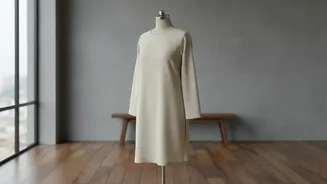
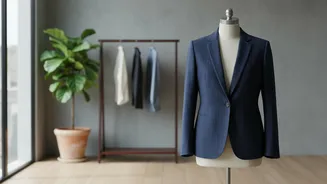
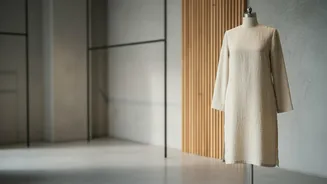
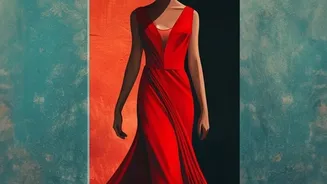
For decades, Khadi was primarily associated with traditional Indian attire. Today, designers are shattering that perception by reimagining it in contemporary forms. The collections at NZFW highlighted this evolution, moving beyond the expected to showcase Khadi in modern silhouettes like tailored blazers, flowing dresses, sharp trousers, and chic co-ord sets. This new design language proves Khadi's versatility. It can be structured or fluid, minimalist or elaborate, fitting seamlessly into a modern global wardrobe that values both comfort and style. The rise of Khadi denim and innovative blends further expands its appeal, proving it can be as edgy and fashion-forward as any other material.
Conscious Consumerism Meets Modern Style
The success of Khadi on a platform like NZFW is perfectly timed with a global shift in consumer values. Today's shoppers, particularly younger generations, are increasingly driven by sustainability, ethical production, and authenticity. They want to know where their clothes come from and the story behind them. Khadi checks all these boxes. It supports rural artisans and local economies, promotes slow fashion over disposable trends, and boasts impeccable eco-friendly credentials. By choosing Khadi, consumers are not just buying a piece of clothing; they are investing in heritage, supporting craftsmanship, and making a statement about their values without compromising on modern aesthetics.