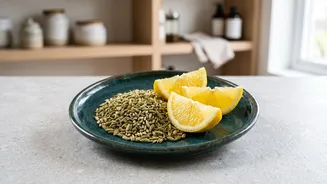







Walk through any health-conscious kitchen, and you're likely to find them: a crisp bulb of fennel and a bright yellow lemon. Long celebrated in traditional wellness circles, these ingredients are often hailed as simple fixes for digestive woes.
The Traditional Take on Digestion
For centuries,
cultures around the world have turned to fennel and lemon for digestive support. In many parts of India and the Middle East, chewing fennel seeds after a meal is a common practice to freshen breath and aid digestion. This tradition is rooted in the belief that fennel can soothe the stomach and prevent discomfort. Similarly, starting the day with a glass of warm lemon water has become a modern wellness ritual, promoted as a way to 'kick-start' the digestive system and 'detoxify' the body. These long-standing beliefs are powerful and are why many people reach for these ingredients when feeling bloated or sluggish.
Fennel: A Soothing Sensation?
There is some science to support fennel's reputation. The plant, particularly its seeds, contains compounds like anethole, which has been shown to have antispasmodic properties. This means it may help relax the smooth muscles of the gastrointestinal system, which could ease gas, bloating, and cramping. Some nutritionists recommend fennel tea for this very reason, suggesting it can be a natural remedy for an uncomfortable stomach. However, it's crucial to note that much of the research has been conducted on concentrated fennel extracts or oils, not just on the vegetable or seeds as part of a meal. While some studies show promising results in protecting the gut lining, researchers agree that more robust human trials are needed to confirm these effects. So, while fennel can certainly be part of a gut-friendly diet, it's not a guaranteed cure for digestive issues.
Lemon Water: Hydration Hero or Hype?
The case for lemon water is more nuanced. The primary benefit is hydration. Many people find plain water unappealing, and adding a splash of lemon can make it tastier, encouraging them to drink more. Proper hydration is essential for softening stool and preventing constipation. Some small studies suggest the citric acid in lemons may help stimulate the secretion of gastric acid, a fluid needed to break down food. However, many of the grander claims—like lemon water 'alkalizing' the body or 'flushing toxins'—lack scientific backing. Furthermore, lemon juice itself contains virtually no fibre, so it doesn't feed your gut microbiome in the way whole fruits do. While it provides a nice boost of Vitamin C, its role as a powerful digestive aid is often overstated.
Flavour First, Function Second
This brings us to the most reliable benefit of both fennel and lemon: their incredible flavour. Fennel offers a sweet, aromatic, and slightly licorice-like crunch that can elevate salads, roasts, and soups. Lemon provides a zesty, acidic brightness that can cut through richness and enhance nearly any dish. Using these ingredients can make healthy eating more enjoyable, which is a significant benefit in itself. They encourage you to cook at home, add variety to your meals, and make hydrating more appealing. Rather than viewing them as medicine, it's perhaps more accurate to see them as culinary powerhouses that make a healthy diet more delicious and sustainable.
Are There Any Downsides?
While generally safe for most people in culinary amounts, there are minor considerations. The high acidity of lemon juice can erode tooth enamel over time, especially if consumed frequently. Rinsing your mouth with plain water after drinking lemon water can help mitigate this. For some individuals, particularly those with acid reflux or GERD, the acidity of lemon water might worsen symptoms like heartburn. Fennel is overwhelmingly safe, but concentrated fennel oils should be used with caution and after consulting a doctor. An allergic reaction to fennel, while possible, is uncommon.