




The Powerful Promise of Green Fitness
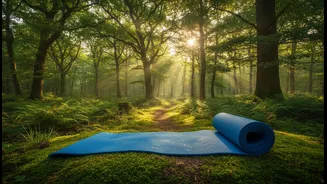
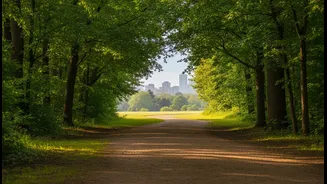
Exercising in a natural environment—whether it's a brisk walk in a park, cycling, or outdoor yoga—is a powerful tool for well-being. Research consistently shows that this “green exercise” does more than just improve physical fitness. It is a natural antidepressant,
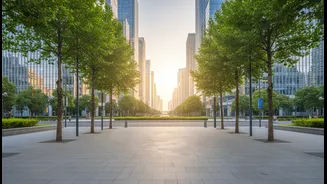
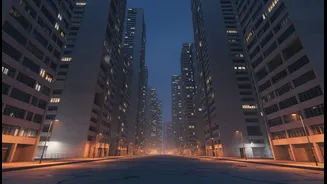
capable of boosting mood, reducing stress and anxiety, and enhancing self-esteem after just a few minutes. The varied terrain of the outdoors challenges our bodies in ways a flat gym floor cannot, improving balance and muscle strength. In our rapidly urbanising cities, where stress and pollution are daily realities, access to green spaces is not a luxury; it is fundamental to public health. The simple act of connecting with nature has restorative effects that can improve focus, foster social bonds, and encourage a more active lifestyle overall.
An Uneven Playing Field
Unfortunately, the promise of green fitness is not extended to everyone. For a significant portion of our population, public parks and trails are full of obstacles. Uneven or broken pathways, steep inclines without handrails, and a glaring lack of seating can turn a pleasant walk into a hazardous ordeal. These barriers disproportionately affect senior citizens, persons with disabilities, individuals recovering from injury, and even parents with strollers. In many Indian cities, access to well-maintained green spaces is already unequal, often concentrated in wealthier neighbourhoods while densely populated areas are left with little to no accessible recreational areas. This isn't just an inconvenience; it's an issue of equity. When we design public spaces that only cater to the young and able-bodied, we are implicitly stating that others do not belong.
Accessibility is a Necessity, Not an Extra
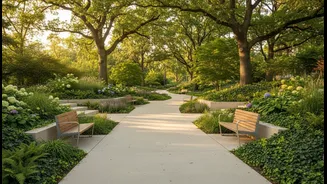
It's time to reframe our thinking. Making our green spaces accessible is not about adding a few token ramps. It's about embracing universal design as a core principle of urban planning. Universal design means creating environments that are usable by the widest range of people, regardless of age or ability. An accessible park benefits everyone. A wide, smooth path that accommodates a wheelchair user is also safer for a grandparent on a morning walk and a child learning to ride a bicycle. Regularly spaced benches with armrests and shade provide crucial resting spots for those with limited stamina, but they also invite anyone to sit, relax, and enjoy the outdoors for longer. Investing in this infrastructure is a direct investment in public health, reducing health disparities and fostering more cohesive, active communities.
What True Accessibility Looks Like
Creating truly inclusive green fitness areas is not an insurmountable challenge. The solutions are practical and well-documented. It starts with pathways that are at least 1.5 to 2 metres wide, made of firm, slip-resistant materials. Trail gradients should be kept low, with handrails provided on any sloped sections. Clear, consistent signage, including tactile information or Braille, helps with wayfinding. Perhaps most importantly, there must be an abundance of sheltered seating at regular intervals. Information is also a key part of accessibility. Maps at trailheads and online should clearly indicate path conditions, gradients, and the location of facilities like accessible restrooms. By providing this information upfront, individuals can plan their visit with confidence, knowing the space is prepared to welcome them.
A Vision for Inclusive Indian Cities
As India continues its journey of urban transformation, we have an opportunity to build cities that are not just smart, but also inclusive and healthy. National initiatives for urban development must prioritise the creation and retrofitting of public spaces with universal accessibility in mind. This requires a shift in mindset, where planners and policymakers see parks and green belts not merely as aesthetic additions but as essential infrastructure for community well-being. It involves listening to and engaging with communities, especially vulnerable groups, to understand their needs. A city that provides safe, accessible, and inviting green spaces for all its citizens is a city that is truly investing in its future health and resilience.