






Plan Your Space Before You Plant
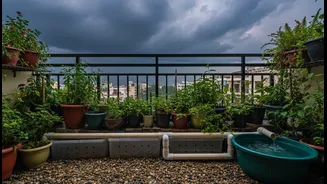
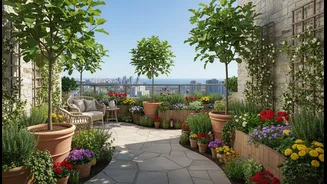
The secret to a functional balcony garden begins long before you buy a single plant. Start by measuring your space and creating a simple layout. The goal is to design a garden that feels generous, not cramped. A crucial rule of thumb is to leave a clear
pathway of at least 60cm (about two feet) to allow for easy movement. This ensures you can walk from one end to the other, water plants at the back, and sweep the floor without tripping over pots. Consider the flow of traffic. Where will you stand to water? Where will you sit? Planning for these activities from the start prevents the common problem of a garden that is beautiful to look at but impossible to use.
Go Vertical: Your Space-Saving Solution
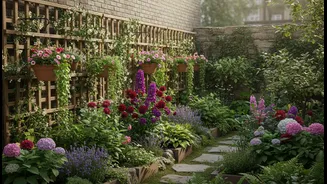
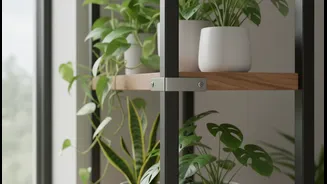
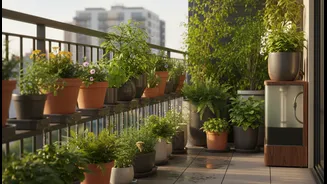
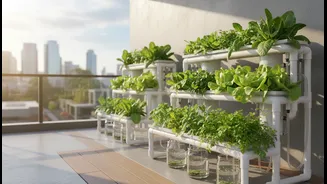
When floor space is limited, the only way to go is up. Vertical gardening is the single most effective strategy for creating a lush balcony that doesn't feel crowded. Instead of placing all your pots on the ground, utilize walls and railings. Tiered plant stands, ladder shelves, and wall-mounted planters allow you to stack plants, drawing the eye upward and freeing up valuable floor real estate. Railing planters are another excellent choice, adding greenery without occupying a single square inch of the floor. You can even install a trellis or wire mesh for climbing plants like jasmine or clematis, which adds a beautiful green backdrop and enhances privacy.
Choose Containers for Function and Flexibility
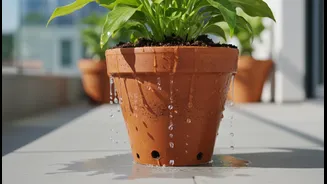
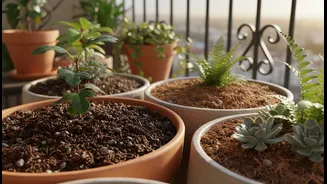
The right containers are key to a manageable balcony garden. While large, heavy pots can be beautiful, they are difficult to move for cleaning or to chase the seasonal sun. Opt for lightweight materials like recycled plastic, fiberglass, or fabric grow bags. These are easier to handle and reduce the structural load on your balcony. For even greater flexibility, place heavier pots on wheeled caddies. This allows you to effortlessly rearrange your garden for a fresh look, clean underneath the pots, or move delicate plants to a more sheltered spot during extreme weather. Always ensure every pot has drainage holes to prevent waterlogging, which is fatal for most container plants.
Select the Right Plants for Easy Maintenance
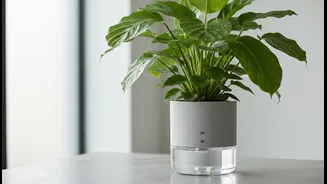
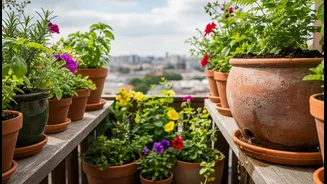
A practical garden is filled with plants that thrive in your specific conditions without demanding constant attention. Assess your balcony's sun exposure before choosing your greenery. For sunny, hot spots, succulents, lavender, geraniums, and herbs like rosemary are excellent, drought-tolerant options. For shadier balconies, consider ferns, peace lilies, and snake plants, which are famously resilient. Choosing low-maintenance plants means you’ll spend more time enjoying your garden and less time fussing over it. Compact or trailing varieties, like Easy Wave Petunias, are also ideal as they fill containers beautifully without becoming overgrown and messy.
Design for Access and Repairs
A truly functional garden considers the practicalities of long-term care, including cleaning and repairs. When arranging your pots, think about access to every part of your balcony. Can you easily reach the drainage holes to ensure they aren't clogged? Can you access the wall behind a trellis for painting or repairs? Grouping smaller pots on a single tray or stand can make cleaning much simpler than moving a dozen individual containers. Using mobile planters makes sweeping a breeze. This forethought not only keeps your balcony tidy but also prevents small maintenance tasks from becoming major headaches down the line. A well-planned space respects that a balcony is still part of a building that requires upkeep.