






The Scientific Sweet Spot for Muscle Gain
For years, the baseline recommendation for protein was set to prevent deficiency, not to optimize growth. But for those looking to build muscle through resistance training, the science is clear: you need more. The current consensus from leading bodies
like the International Society of Sports Nutrition (ISSN) points to a specific range for most active individuals. To maximize muscle growth, aim for a daily protein intake of 1.4 to 2.2 grams of protein per kilogram of body weight. For a person weighing 75 kilograms, this translates to roughly 105 to 165 grams of protein per day. This amount provides the necessary amino acids—the building blocks of muscle—to repair the micro-tears caused by exercise and build new tissue.
Why Total Daily Intake Is King
A lot of gym lore focuses on the 'anabolic window'—a supposed 30-minute period post-workout where you must consume protein or miss out on gains. While consuming protein after a workout is beneficial, modern research shows this window is much wider than previously thought, lasting at least 4-6 hours. The most crucial factor for muscle hypertrophy isn't precise timing, but your total protein intake over the entire day. Think of it less like a sprint to chug a shake and more like a marathon of consistent fuel. Spreading your protein intake evenly across three to four meals (e.g., 20-40 grams per meal) appears to be the most effective strategy for keeping muscle protein synthesis elevated throughout the day.
Is All Protein Created Equal?
The short answer is no. Proteins are made of amino acids, and some sources are more effective for muscle building than others. The key player here is an essential amino acid called leucine, which acts as a primary trigger for muscle protein synthesis. Animal-based proteins like whey, casein, eggs, and lean meats are considered 'complete' proteins because they contain all nine essential amino acids, including a high amount of leucine. Plant-based sources can be just as effective, but you may need to combine different types (like rice and beans) to create a complete amino acid profile or simply consume a slightly larger quantity to hit your leucine target. An ideal meal or snack for muscle growth should contain around 20-40 grams of high-quality protein.
Adjusting for Your Specific Goals
The 1.4-2.2 g/kg range is a powerful guideline, but individual needs can vary. For instance, if you are in a calorie deficit to lose fat, your protein needs may increase. Consuming higher amounts, sometimes up to 2.3-3.1 g/kg, can help preserve precious muscle mass while you shed fat. Older adults also benefit from slightly higher protein intake, around 1.2-1.6 g/kg daily, to combat age-related muscle loss, a condition known as sarcopenia. Conversely, if you're a novice lifter, you may see significant gains even at the lower end of the recommended range, while elite athletes might fine-tune their intake based on the intensity and volume of their training.
Translating Grams into Groceries
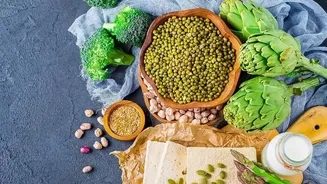
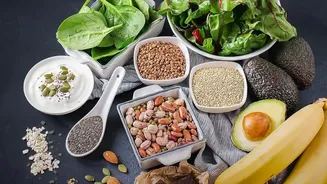
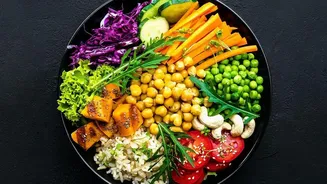
Knowing your target number is one thing; hitting it with real food is another. You don’t necessarily need expensive supplements. A single chicken breast (about the size of a deck of cards) provides around 26 grams of protein. A cup of Greek yogurt contains about 20 grams, two large eggs have 12 grams, and a cup of cooked lentils offers roughly 18 grams. By strategically including a protein source with each meal and snack—think lean meats, fish, dairy, eggs, legumes, and tofu—you can easily meet your daily goal. Protein bars and shakes can be a convenient way to supplement your intake, especially post-workout or on busy days, but whole foods should always form the foundation of your diet.