



The Most Common Culprit: Dental Disease
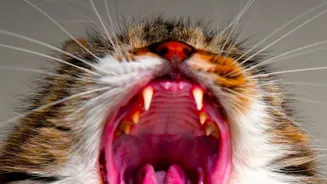
The number one reason for chronic bad breath, or halitosis, in pets is poor oral hygiene. Much like in humans, bacteria in the mouth form a sticky film called plaque on the teeth. If not removed, plaque hardens into tartar, leading to gum inflammation
(gingivitis) and eventually periodontal disease, which affects the tissues supporting the teeth. This bacterial buildup releases foul-smelling compounds, causing that unpleasant odour. Beyond bad breath, you might notice yellow or brown tartar on the teeth, red or swollen gums, difficulty eating, or even loose teeth. Many pets are masters at hiding pain, so they might continue eating normally even with significant discomfort.
A Deeper Warning: Kidney and Liver Problems
Sometimes, the smell from your pet's mouth isn't about their teeth at all, but about their internal organs. If your pet's breath has an ammonia or urine-like smell, it could be a sign of kidney disease. When kidneys fail, they can't effectively filter waste products from the blood. These toxins build up and can be released through the lungs, causing a distinct odour known as uremic halitosis. Similarly, liver disease can sometimes cause unusually foul or musty-smelling breath. These conditions are serious and are often accompanied by other symptoms like changes in thirst and urination, loss of appetite, weight loss, or vomiting.
An Unusually Sweet Smell: A Diabetes Red Flag
If you notice a distinctly sweet or fruity smell on your pet's breath, you should contact your veterinarian immediately. This smell, sometimes compared to acetone or nail polish remover, can be a sign of diabetic ketoacidosis (DKA). DKA is a life-threatening complication of uncontrolled diabetes. It occurs when the body can't use sugar for energy due to a lack of insulin and starts breaking down fat instead, producing compounds called ketones. These ketones are what cause the sweet-smelling breath. This symptom is often paired with a significant increase in thirst and urination, weight loss despite a normal or increased appetite, and lethargy.
Other Potential Causes To Consider
While dental and systemic diseases are the most serious concerns, other issues can also lead to bad breath. Something as simple as a piece of food or a sliver from a chew toy stuck between their teeth can cause a localised infection and a foul smell. Oral tumours, which are more common in older pets, can become infected and lead to halitosis. Issues within the gastrointestinal or respiratory tracts can also be culprits. For example, a respiratory infection can lead to an accumulation of bacteria in the throat, resulting in an unpleasant odour. This is why a thorough examination by a professional is so crucial to pinpoint the exact cause.
What To Do About Your Pet's Bad Breath
The first and most important step is to schedule a visit with your veterinarian. Self-diagnosing is not recommended, as the range of possible causes is wide. Your vet will perform a physical exam and will likely pay close attention to the mouth, checking for signs of periodontal disease. Be prepared to discuss your pet's diet, behaviour, and any other symptoms you've noticed. Depending on the initial findings, your vet may recommend a professional dental cleaning under anaesthesia, which allows for a thorough examination, including X-rays to see below the gumline. If a systemic issue like kidney disease or diabetes is suspected, blood and urine tests will likely be ordered to get a clear diagnosis.