








A Record-Breaking Quarter
The Indian automotive industry has kicked off the financial year with unprecedented momentum. According to the Society of Indian Automobile Manufacturers (SIAM), the first quarter of FY27 (April-June 2026) saw the highest-ever dispatches for passenger
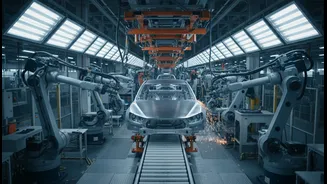
vehicles, commercial vehicles, and three-wheelers. Passenger vehicle dispatches to dealers hit a remarkable 1.27 million units, a nearly 26% jump from the same period last year. The growth was robust across the board, with two-wheeler sales rising over 20% to 5.63 million units and commercial vehicles growing by 18.3% to a record 2.65 lakh units. This surge in production and shipment from factories to showrooms suggests that carmakers are stocking up, anticipating a wave of buyers as the festive period approaches.
The Crucial Dispatch vs. Retail Distinction
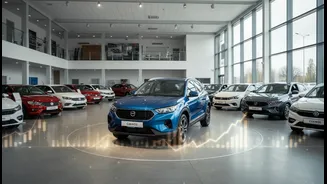
While the headline numbers are impressive, it's important to understand what they represent. These figures are 'wholesales' or 'dispatches'—vehicles sent from the manufacturer's factory to the dealer's stockyard. They are not 'retail sales,' which count the actual number of cars sold to end customers. High dispatch numbers indicate that automakers are optimistic about future demand and are preparing their inventory accordingly. However, the real test of the market's health will be whether this inventory is quickly converted into retail sales in the coming months. A significant gap between dispatches and retail sales could point to inventory build-up at dealerships, a concern for the industry.
Who is Leading the Charge?
Maruti Suzuki continues to dominate the market, maintaining its undisputed leadership with 1.47 lakh passenger vehicles dispatched in the domestic market in June 2026 alone, a 24% year-on-year increase. The battle for the second spot remains intense, with Tata Motors narrowly holding its position ahead of a fast-closing Mahindra & Mahindra. Tata Motors reported a staggering 67% year-on-year growth in domestic passenger vehicle sales for June, driven by its popular SUV lineup and a growing portfolio of electric vehicles. Mahindra also posted strong numbers, crossing the 60,000-unit monthly milestone in its SUV segment for the first time. Meanwhile, Hyundai's dispatches saw a temporary decline in June due to a production disruption caused by a fire at a supplier's facility, but the company expects to recover the lost volume.
What's Fuelling the Growth?
Several factors are contributing to this positive momentum. According to industry leaders, supportive domestic demand has been a key driver. This has been aided by lower vehicle costs following GST 2.0 implementation, softer financing rates making EMIs more affordable, and a steady stream of new model launches keeping consumer interest high. A relatively stable inflation rate and an improving monsoon scenario in late June and early July also helped maintain consumer sentiment. The industry is banking on these favourable conditions to continue into the festive quarter, which traditionally sees a spike in vehicle purchases.
The Festive Season Outlook
With dealerships well-stocked, automakers are positioned for a strong festive season. SIAM has expressed hope that the steady demand will continue through the second quarter. The introduction of new models, particularly in the popular SUV and electric vehicle segments, is expected to attract customers to showrooms. Luxury carmakers are also lining up key launches to tap into high-end demand during this period. However, the industry remains cautiously optimistic. There are concerns about rising commodity costs, which could put pressure on vehicle prices. Furthermore, the progress of the monsoon and its impact on rural demand, along with geopolitical developments in West Asia, are being closely monitored as potential challenges.