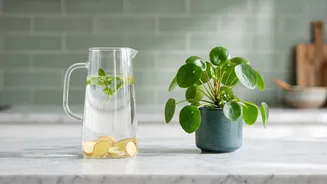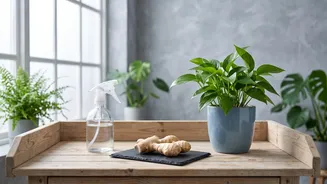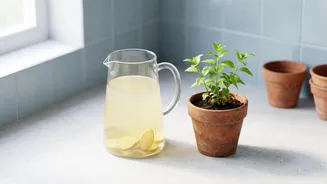






Why Ginger for Your Plants?
That spicy ginger root you use for cooking is packed with compounds that can be surprisingly beneficial for your garden. It's not just an old wives' tale; the properties that make ginger a staple in traditional medicine also apply to plant health. Ginger
contains natural antimicrobial and antifungal properties. This means it can help protect your plants from common issues like root rot and other fungal infections that can plague potted plants. It acts as a gentle, natural defence system, helping to combat bad bacteria and fungal overgrowth in the soil. Beyond protection, ginger is also a source of essential minerals like potassium and magnesium, which are vital for strong cell walls and overall plant structure. Some gardeners also find that the pungent compounds in ginger, such as zingerone, can help deter common pests.
The Perfect Brew: How to Make Ginger Water
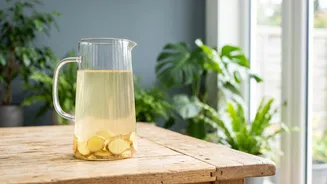
Creating your own ginger-infused water is incredibly simple. You only need a few common kitchen items. For a basic batch, take a small piece of fresh ginger root, about one to two inches long. After giving it a good rinse, you can peel it and grate or slice it into small pieces. The more surface area you expose, the more of its beneficial compounds will infuse into the water. Bring about a litre of water to a boil, then add the prepared ginger. Let the mixture simmer for about 10 to 15 minutes, as if you were brewing a strong tea. Afterwards, turn off the heat and allow the liquid to cool down completely. Once cool, strain out the solid ginger pieces, and your plant-boosting tonic is ready to use. While fresh ginger is preferred, you can use ginger powder in a pinch, though it may not be quite as potent.
How to Use Your Ginger-Infused Tonic
You have two main methods for applying the ginger water to your plants: as a soil drench or as a foliar spray. For a soil drench, simply use the cooled ginger water in place of a regular watering. Pour it directly onto the soil around the base of the plant, allowing the roots to absorb the nutrients and protective compounds efficiently. This method is excellent for promoting root health and combating soil-borne pathogens. Alternatively, you can pour the ginger water into a spray bottle and use it as a foliar mist. Lightly spray the tops and undersides of the leaves. This technique provides a more immediate nutrient boost and can help deter pests that hide on foliage. For best results with a foliar spray, apply it in the early morning or evening to avoid the risk of leaf burn from direct sunlight.
Frequency and Best Practices
Like any plant care supplement, moderation is key. For most indoor and outdoor plants, applying ginger water once every two to four weeks is a good starting point. During periods of rapid growth or if a plant seems stressed, you might increase the frequency to once a week, but always watch how your plant responds. Before treating an entire plant, it's wise to test the ginger water on a small section, like a single leaf or a small patch of soil, to ensure there are no adverse reactions. This is particularly important for more delicate plants. While ginger water is a wonderful natural supplement, it isn't a replacement for proper plant care. Ensure your plants still receive adequate light, appropriate watering with plain water, and a good quality fertilizer when needed.