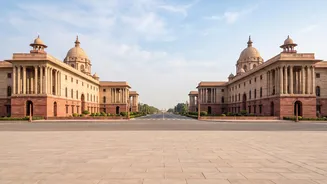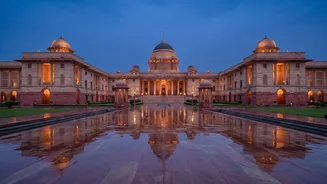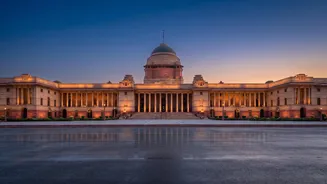







The Vision of a World-Class Welcome
To host a gathering of global leaders, a city must look the part. The New Delhi Municipal Council (NDMC) initially laid out an extensive plan to enhance the capital's visual appeal. The strategy is designed to create a stunning first impression for international
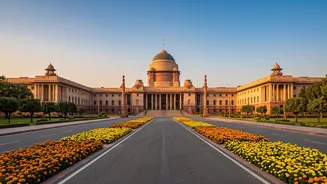
delegates. Plans include installing floral boards at 15 key locations and dazzling floral fountains at nine others. Furthermore, 17 major roundabouts are slated for special beautification, landscaping, and sophisticated electrical illumination to transform them into welcoming beacons. The NDMC's horticulture department is tasked with a green mission: planting seasonal flowers, creating lush green corridors, covering up brown patches, and strategically placing decorative planters along prominent roads. This aesthetic overhaul is a top-down effort to ensure New Delhi projects an image of cleanliness, vibrancy, and meticulous planning befitting a host of an international summit.
From Aesthetics to Asphalt
While a beautiful city is the goal, a functional one is the foundation. Alongside the decorative work, a significant part of the preparatory effort is focused on fundamental infrastructure maintenance. This is the less glamorous but arguably more critical side of the coin. Civic bodies are undertaking widespread repairs of potholes and damaged footpaths to ensure smooth and safe passage for both VIP convoys and the general public. The work also includes repairing and polishing railings, ensuring road signage is clear and well-maintained, and clearing debris from public spaces. A key priority, especially given the timing, is ensuring that stormwater drains are fully functional to prevent any potential waterlogging during the summit period. This focus on the basics acknowledges a simple truth: no amount of floral decoration can compensate for a bumpy ride or a broken pavement.
A Coordinated Command Structure
This dual focus on beauty and basics is not a shift in strategy but a comprehensive, planned approach. To manage this monumental task, the NDMC has implemented a structured command system. The city has divided 41 major roads, crucial for summit-related movements, into 14 distinct circles. Each circle is managed by a dedicated nodal officer who, along with a field team, conducts daily inspections to ensure all tasks—from landscaping to pothole filling—are executed according to standard operating procedures. This system is designed to ensure accountability and prompt action. According to NDMC Chairman Manoj Kumar Dwivedi, the goal is to have all departments work in close coordination to present a clean, green, and aesthetically enhanced face to the world.
Beyond Roads and Roundabouts
The preparations for the BRICS summit extend far beyond physical infrastructure. A multi-layered civic plan is in motion to guarantee seamless services. This includes round-the-clock sanitation arrangements from September 9 to 14, with additional staff and special night-duty teams. Intensive cleaning operations will deploy mechanical road sweepers, scrubbers, and manual teams to maintain a high standard of cleanliness. Furthermore, special enforcement drives are planned to target encroachments, unauthorised hoardings, and illegal parking along VIP routes. Public health is also a priority, with medical teams and ambulances on standby and regular inspections of food establishments. To promote the event, BRICS branding will be displayed across 154 digital screens and on dozens of public toilet utilities, ensuring the summit's presence is felt throughout the city.