




The Philosophy of a Balanced Menu
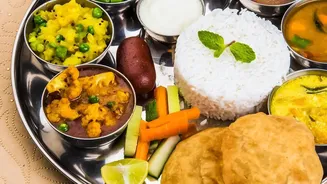
The secret to a successful pan-Indian menu isn’t the number of dishes, but the harmony between them. Think like you're composing a 'thali' on a grander scale. The goal is to balance flavours (sweet, sour, spicy, tangy), textures (crispy, soft, creamy),
and regional characteristics. A rich, creamy curry from the North, for example, pairs beautifully with a light, tangy dal from the West. By thoughtfully selecting a few representative dishes, you can create a culinary journey across India on a single dining table. Don’t overwhelm your guests or yourself; curation is more important than sheer quantity. Aim for one or two items from each category: starters, main courses, bread/rice, accompaniments, and dessert.
Starters to Spark the Appetite
Begin the meal with a variety of textures and flavours that hint at the diversity to come. Instead of just one type of fried snack, offer a trio that showcases regional flair. Consider offering delicate Khandvi rolls from Gujarat, a classic street-food snack. Pair them with spicy and savoury Masala Vada from the South, which offers a satisfying crunch. To round out the selection, a North Indian favourite like Dahi Bhalla provides a cool, tangy contrast that cleanses the palate and prepares it for the main event.
Crafting a Cohesive Main Course
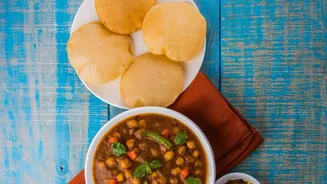
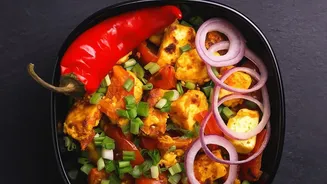
The main course is the heart of your pan-Indian feast. Here, the thali concept truly shines. Select three to four main dishes that complement each other. A quintessential creamy Paneer Butter Masala can represent the richness of North Indian cuisine. To balance this, include Avial, a South Indian stew made with mixed vegetables, coconut and yoghurt, which is lighter and has a subtly sour profile. From the East, a Chana Masala made with coconut and tomato offers a different flavour profile. For a dry vegetable dish, a simple Aloo Gobi (potatoes and cauliflower) or a Maharashtrian-style stir-fry adds texture and ensures there's something for everyone.
The Essential Breads and Rice
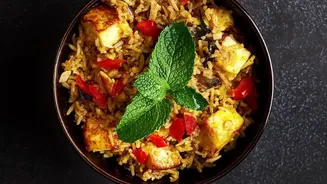
No Indian meal is complete without the right grains to soak up the delicious gravies. Plain steamed basmati rice is a must, but you can elevate the experience by also offering a flavoured rice. A zesty Lemon Rice from the South adds a fresh, tangy note that cuts through richer dishes beautifully. For breads, go beyond the standard. While soft phulkas or rotis are essential for everyday meals, a party calls for something more. Consider serving a platter with a mix of plain naan and a specialty bread like Missi Roti (made with gram flour and spices) to add another layer of flavour and texture.
Accompaniments That Tie It All Together
Side dishes are the supporting cast that can make or break the meal. They provide balance, add freshness, and enhance the main dishes. A cooling Boondi Raita is essential to temper the heat of spicier curries. A simple Kachumber salad of chopped cucumber, tomatoes, and onions dressed with lemon juice provides a refreshing crunch. Don’t forget the pickles; a sweet and spicy mango chunda or a sharp lemon pickle can elevate every bite, adding that final touch of complexity and completing the flavour profile of your carefully planned menu.
A Sweet and Satisfying Conclusion
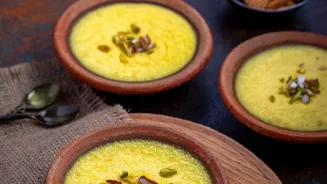
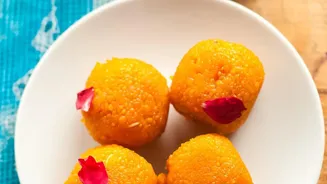
A memorable meal ends on a sweet note. Again, think about contrast and variety. Instead of one heavy dessert, offer two smaller options that showcase different regional traditions. A warm Gulab Jamun, the quintessential North Indian festive sweet, offers comforting warmth and richness. To complement this, a chilled bowl of Payasam or Kheer, a rice or vermicelli pudding popular across India, provides a lighter, creamier alternative. This pairing of warm and cool, rich and light, ensures a satisfying end to the culinary tour without being overwhelming.