





Why We Double Up on Groceries
Buying duplicates often isn’t a sign of carelessness, but a result of subtle psychological triggers at the supermarket. Our brains are wired for impulse. When we see a 'buy one, get one free' offer or an item placed at eye-level, the emotional desire
for a good deal can override our rational memory of what’s already in the pantry. Factors like stress, decision fatigue from a long shopping trip, and even the simple desire for novelty can lead us to make unplanned purchases. Without a clear plan, the grocery store is designed to encourage spontaneous decisions, turning a quick trip for milk into a cart full of items we might not need immediately, or at all.
The True Cost of a Crowded Fridge
That extra packet of paneer or forgotten bunch of coriander might not seem like much on its own, but it contributes to a much larger issue. In India, household food waste is a significant concern, with estimates suggesting that each person generates around 55 kg of food waste per year. This adds up to millions of tonnes annually. When we throw away food, we're also throwing away the money we spent on it and the resources used to grow, process, and transport it. The cumulative financial impact on a single family can be substantial over the course of a year, making a little mindfulness at home a powerful tool for both your wallet and the environment.
The Pre-Shop Audit: Your Five-Minute Plan
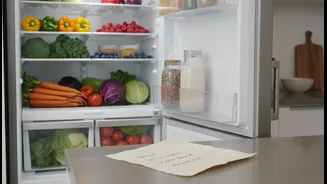
The most effective strategy begins before you even leave the house. Dedicate just five minutes to a 'pre-shop audit.' First, quickly scan your refrigerator, paying close attention to perishables like dairy, vegetables, and leftovers. Then, do a quick check of your pantry and freezer for staples like grains, dals, and frozen goods. A great way to stay organised is to take a quick photo of your fridge shelves with your phone. This visual reminder is often more effective than a hastily written list and can be a lifesaver when you’re standing in the aisle wondering if you’re out of yogurt.
Make Your Shopping List Work for You
A shopping list is your best defence against impulse buys, but only if it’s specific. Instead of just writing 'vegetables,' list exactly what you need for the meals you plan to make: 'two onions, one capsicum, enough salad greens for two lunches'. This practice, known as meal planning, is proven to reduce waste and save money. By linking your grocery list directly to your planned meals, you avoid buying ingredients without a purpose. This ensures everything you bring home has a designated role in your kitchen for the week, preventing ingredients from languishing until they spoil.
Embrace the 'First In, First Out' Rule
Professional kitchens run on a simple but brilliant principle: First In, First Out (FIFO). This means older items are always used before newer ones. You can easily adopt this at home. When you unpack your groceries, move the older items to the front of the shelf and place the new ones behind them. This simple act of rotation ensures you see and use what needs to be eaten first. It works for everything from yogurt and milk in the fridge to cans and packets in the pantry. By making this a habit, you’ll naturally reduce the chance of discovering expired food hidden in the back.