








The Science of Your First Meal
The word 'breakfast' literally means to 'break the fast' you've undergone while sleeping. For 8 to 12 hours, your body has been running on stored energy. Your first meal replenishes your supply of glucose, which is the primary fuel source for your brain
and muscles. Eating in the morning kick-starts your metabolism, signaling to your body that it's time to start burning calories for energy. This process is crucial for regulating blood sugar levels. A well-constructed breakfast prevents a sharp spike and subsequent crash in blood sugar, which is often the cause of mid-morning slumps and irritability. Studies show that eating breakfast helps your body manage glucose from later meals more effectively, a phenomenon known as the 'second-meal effect'.
The Anatomy of a Balanced Plate
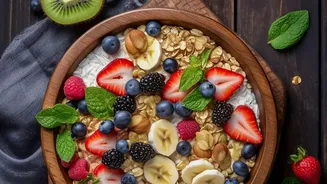
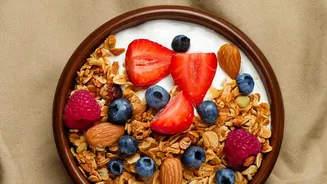
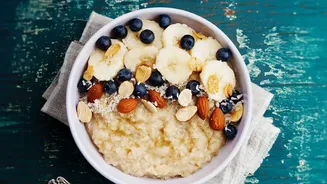
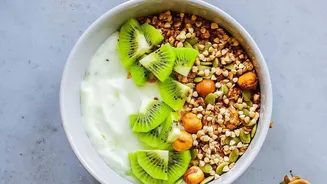
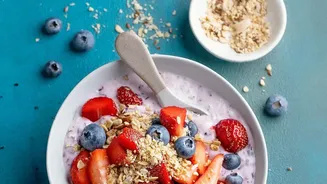
So, what makes a breakfast 'balanced'? The ideal meal is not about one specific food but a combination of three key macronutrients: protein, complex carbohydrates, and healthy fats. Protein is essential for building and repairing tissues and provides a feeling of fullness, which helps curb cravings later in the day. Sources like eggs, Greek yogurt, paneer, and dals are excellent choices. Complex carbohydrates, found in whole grains like oats, brown rice poha, and whole-wheat bread, provide a slow and steady release of energy. Unlike refined carbs (like white bread or sugary pastries) that cause energy spikes, these high-fibre options keep you going for longer. Finally, healthy fats from sources like avocados, nuts, and seeds are vital for brain health and help your body absorb certain vitamins.
Building Your Perfect Indian Breakfast
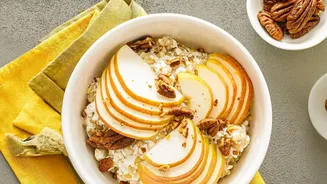
Creating a balanced breakfast doesn't have to be complicated or time-consuming. Many traditional Indian breakfast options are naturally well-rounded. Consider Poha, made from flattened rice, but enhance it by adding vegetables and peanuts for fibre and protein. Idli or dosa with a hearty lentil-based sambar offers a fantastic combination of carbohydrates and plant-based protein. A besan or moong dal chilla is a protein-packed pancake that can be filled with grated paneer or vegetables. For a quicker option, a bowl of masala oats with added nuts and seeds works well. Even a simple serving of two eggs with a slice of whole-grain toast and a side of fruit provides the perfect trifecta of protein, carbs, and nutrients to fuel your morning.
More Than Just Physical Energy
The benefits of a good breakfast extend far beyond physical fuel. Research consistently shows that eating a nutritious morning meal enhances cognitive function, including memory, attention span, and problem-solving skills. By stabilising blood sugar levels, you also improve your mood and reduce stress. Skipping breakfast, on the other hand, can lead to poor concentration and a feeling of lethargy. Studies on adolescents, a group known for skipping breakfast, have demonstrated that a morning meal improves alertness and can lead to a more positive mood throughout the school day. The amino acids from protein, in particular, are building blocks for neurotransmitters in our brain that help us feel more alert and focused.
Common Breakfast Traps to Avoid
Not all breakfasts are created equal. The most common pitfall is opting for high-sugar, low-nutrient foods. Packaged cereals, fruit juices, and pastries can give you a quick burst of energy, but it is inevitably followed by a crash that leaves you feeling more tired than before. These refined carbohydrates cause a rapid rise in blood sugar and insulin, which over time can contribute to health issues. Another major trap is skipping the meal altogether. While intermittent fasting has gained popularity, missing your morning meal can increase cortisol (the stress hormone), disrupt your body's internal clock, and may even negatively impact your immune system's ability to fight infection. Consistently skipping breakfast can also lead to issues like acid reflux as your stomach produces acid to digest food that isn't there.