






Decoding the Surge in Inspections
The headline figures are striking: a 46% increase in food inspections over two years, culminating in more than 5.2 lakh checks in the 2025-26 period alone. This intensified effort by the Food Safety and Standards Authority of India (FSSAI) and state-level
bodies is not a random bureaucratic exercise. It's a direct response to the rising tide of food adulteration, which often peaks during festival seasons when demand for items like sweets, ghee, and milk products soars. This spike in demand creates a powerful economic incentive for some businesses to cut corners, often at the expense of public health. The increased surveillance aims to act as a deterrent, ensuring that the food reaching your plate is safe and meets regulatory standards. These inspections can be both scheduled and surprise visits, covering everything from hygiene at manufacturing units to the final product sold in shops.
The Festive Adulteration Hotspots
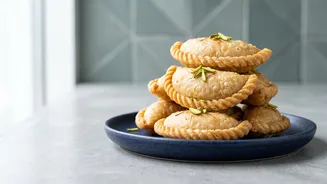
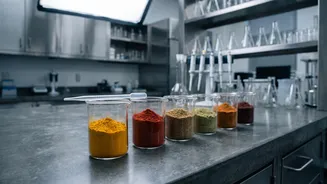
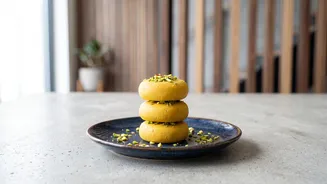
During festivals, certain food items are particularly vulnerable to adulteration. Milk and milk-based products like khoya and paneer are prime targets. Unscrupulous producers may add starch, urea, or even detergent to increase volume and extend shelf life. Sweets are another major area of concern. The glistening silver foil (vark) might be cheap aluminium, and vibrant colours could come from non-food-grade industrial dyes, which can cause allergies and other health issues. Edible oils and ghee are often mixed with cheaper vegetable fats or harmful substances like argemone oil, which can be toxic. Even staple ingredients are not immune; spices like turmeric and chilli powder may be bulked up with chalk or brick powder, while black pepper can be mixed with papaya seeds. These adulterants are used to reduce costs and increase profits, posing significant health risks from digestive problems to more severe long-term illnesses.
FSSAI and State Authorities: A Two-Tier Shield
The fight for food safety is led by a two-pronged force. At the national level, the FSSAI sets the science-based standards for food items, regulates labelling, and provides overall direction. It acts as the central authority, creating the rulebook for the entire country. However, the crucial ground-level enforcement is carried out by State Food Authorities. Each state has its own Commissioner of Food Safety, along with Designated Officers at the district level and Food Safety Officers (FSOs) who conduct the actual inspections, collect samples, and ensure compliance. When an FSO inspects a facility, they check for a valid FSSAI license, overall hygiene, proper food handling and storage practices, and accurate labelling. If non-compliance is found, they can issue improvement notices or, for serious violations, collect samples for laboratory testing.
The Consequences of Non-Compliance
For businesses that fail to meet standards, the penalties can be severe. The Food Safety and Standards Act, 2006, outlines a graded system of punishment. Minor violations, like running a business under unhygienic conditions or misbranding a product, can attract fines ranging from ₹1 lakh to ₹3 lakh. However, for more serious offences, particularly selling adulterated food that causes injury, the consequences include imprisonment and hefty fines. If adulterated food leads to a consumer's death, the penalty can extend to life imprisonment and a fine of at least ₹10 lakh. Beyond legal action, authorities can suspend or cancel a business's FSSAI license, effectively shutting down their operations. This stringent legal framework underscores the gravity of food safety as a public health issue.
Your Rights as a Smart Consumer
While regulators are stepping up their game, consumer awareness is the first line of defence. As a consumer, you have the right to safe and wholesome food, accurate information on labels, and the ability to seek redressal for any harm caused. Always check for the FSSAI license number on packaged goods and displayed prominently at food outlets. Be wary of sweets that are unnaturally bright or food sold in unhygienic conditions. You can also perform simple tests at home. For instance, a drop of pure milk will flow slowly down a slanted surface, leaving a white trail, while adulterated milk will flow quickly without a mark. To check for starch in khoya or milk products, boil a small sample with water, let it cool, and add a drop of iodine solution; a blue colour indicates adulteration. If you suspect a product is unsafe, you can file a complaint directly through the FSSAI's online portal or mobile app.