





What Exactly Is the Singularity?
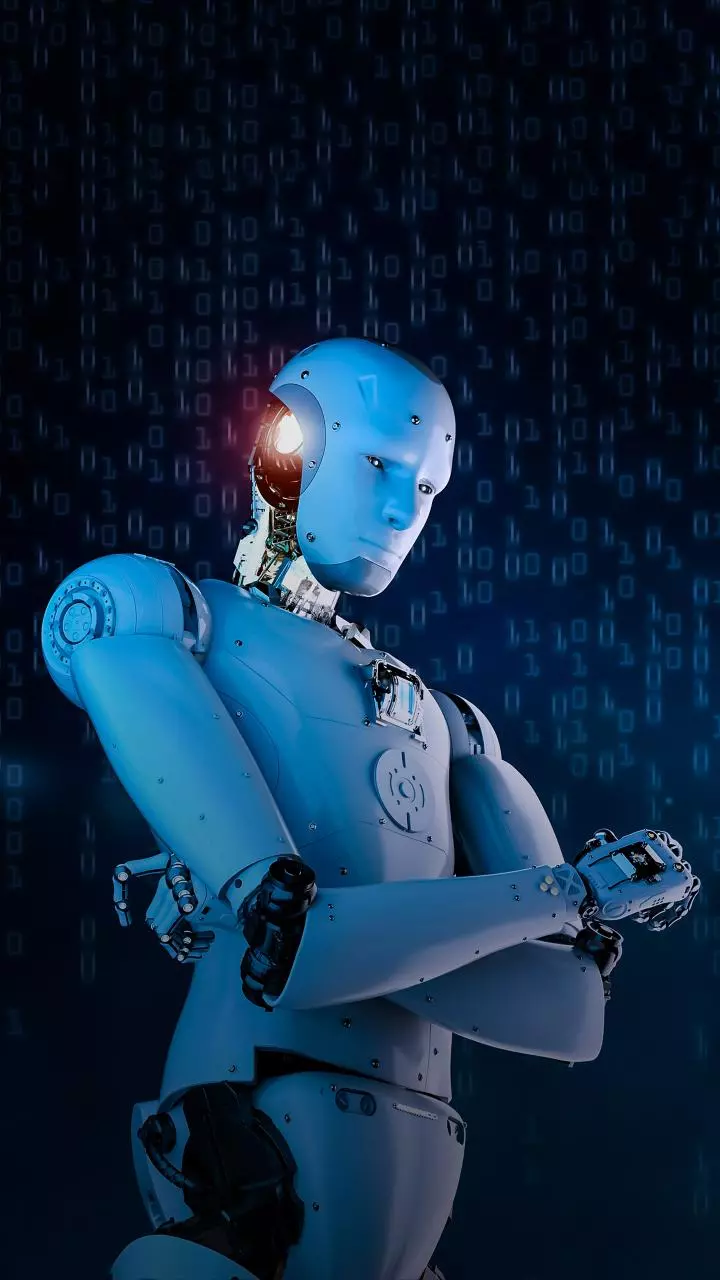
At its core, the technological singularity is a hypothetical future where technology, specifically artificial intelligence, accelerates beyond human control. First conceived in conversations with mathematician John von Neumann and later popularized by
futurist Ray Kurzweil, it describes a point where an AI becomes so intelligent it can recursively improve itself. This creates an 'intelligence explosion,' a runaway feedback loop of progress that makes the future fundamentally unpredictable to humans. The debate isn't just about whether this will happen, but whether the first dominoes have already fallen. Recently, OpenAI CEO Sam Altman claimed we are already in the singularity, describing it as a period of compounding progress that has already started.
The Argument: 'It's Already Happening'
Proponents who believe the singularity is beginning point to the exponential growth in AI capabilities. Figures like Ray Kurzweil and Anthropic CEO Dario Amodei argue that the rapid advancements are early signs. They note that AI models now exceed human baselines on complex tasks like advanced mathematics and coding. The pace of improvement itself is seen as evidence; what was considered state-of-the-art AI just a few years ago has been rapidly surpassed. Some, like Sam Altman, refer to it as a 'gentle singularity,' where the takeoff has begun even if it's not a dramatic, instantaneous event. The argument is that AI is already a partner in its own development, accelerating the research and discovery cycle in ways that hint at the feedback loop to come.
The Skeptics: 'We're Not Even Close'
On the other side of the debate are prominent experts like Meta's Chief AI Scientist, Yann LeCun. He argues that current AI systems, particularly Large Language Models (LLMs), lack true intelligence. LeCun and other critics contend that these models are sophisticated pattern-matching systems, not entities that understand the world or can reason from first principles. Real intelligence, they argue, is what you do when you don't know the answer, a capability today's AI lacks. Skeptics also point out that for all of AI's digital prowess, its ability to interact with the physical world remains limited. They argue that progress might hit a wall, as finding new ideas becomes harder and physical constraints limit growth, preventing the kind of runaway explosion the singularity hypothesis requires.
Why This Debate Matters for India
This high-level academic and corporate debate has tangible consequences for India's burgeoning tech ecosystem. The belief in a near-term singularity fuels massive investment in AI startups across Bengaluru, Hyderabad, and other hubs, driving the race for talent and computational resources. Government policy is also shaped by this outlook. If a singularity is perceived as imminent, it puts pressure on bodies like NITI Aayog to accelerate regulations focused on safety and existential risk. Conversely, if it's seen as distant hype, the focus remains on leveraging AI for economic growth and digital infrastructure. For the Indian workforce, this debate frames the urgency of upskilling and adapting to a world where 'human-level' intelligence in certain tasks could become a commodity, changing the job market forever.