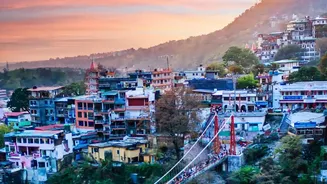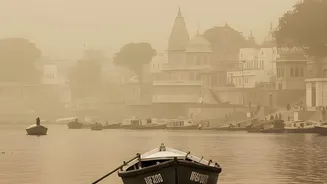

The Current Situation: A Swollen River
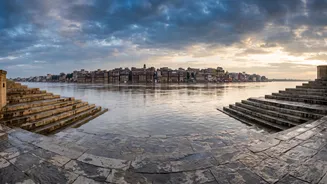
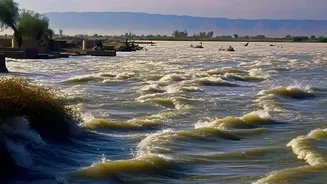
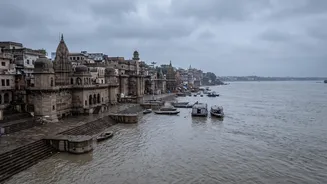
As of early September 2026, the Ganga river in Varanasi has swelled due to heavy monsoon rains, crossing its official warning mark. On Thursday, September 3, the water level was recorded at 70.54 meters and rising, prompting the district administration
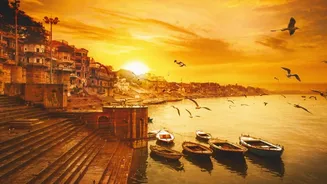
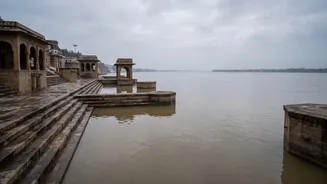
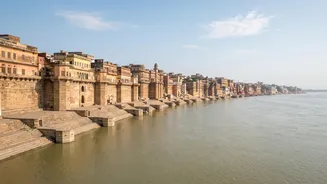
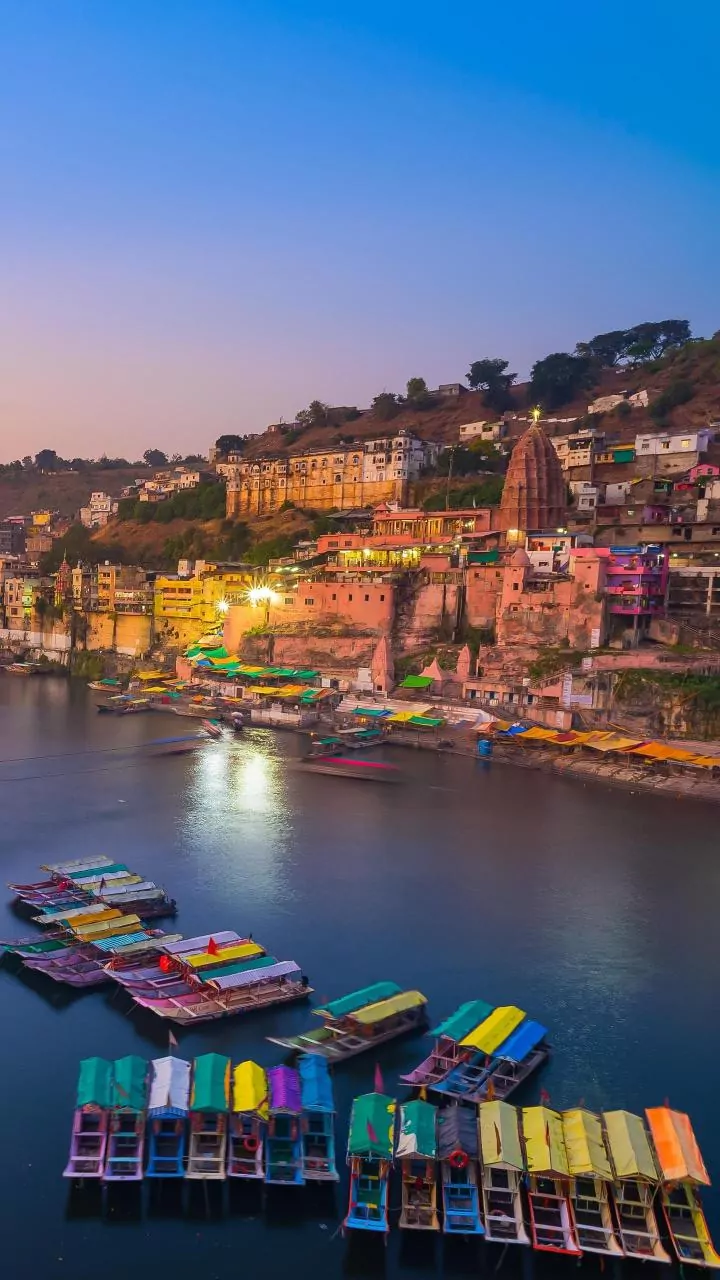
to take immediate safety measures. The primary and most impactful decision for visitors is the complete suspension of all boat operations along the river. This is a standard precaution when the current becomes too strong and the water level makes navigating the ghats—the stone steps leading to the river—treacherous. Authorities have advised everyone, including residents and tourists, to stay away from the ghats and avoid areas with powerful currents.
Why This Happens: The Annual Monsoon Cycle
For those unfamiliar with India's climate, this is a normal, if dramatic, seasonal event. The monsoon season, which typically runs from July to September, brings heavy rainfall to the region. This causes the Ganga to rise significantly, often submerging the lower portions of the ghats completely. This annual flooding is a powerful display of nature that reshapes life along the riverfront for a few months each year. While it disrupts normal activities, it's a predictable cycle. The danger level in Varanasi is 71.26 meters, and while the river is approaching that mark, the current administrative actions are preventative measures to ensure public safety.
How Iconic Experiences Are Affected
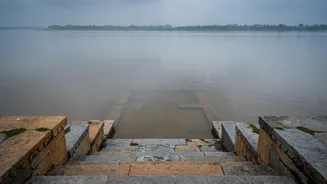
The suspension of boat services directly impacts two of Varanasi's most sought-after experiences: the sunrise boat tour and viewing the evening Ganga Aarti ceremony from the water. With all boats docked, these activities are not possible in their usual form. Furthermore, the high water level has submerged the lower steps and platforms of many ghats, including Dashashwamedh Ghat, the site of the main Aarti. This also makes the traditional walk along the river, connecting the dozens of ghats, difficult or impossible as many pathways are underwater. Even cremation rituals at Manikarnika Ghat have been affected, with rites being performed on higher platforms or rooftops to stay above the water.
What You Can Still See and Do
A trip to Varanasi is far from ruined. The city's spiritual and cultural heartbeat extends well beyond the river's edge. The Ganga Aarti ceremony continues, though its location has been shifted. Organizers have moved the ritual to higher ground, and in some cases, onto the rooftops of adjacent buildings, offering a unique viewing experience. Instead of a boat tour, this is a perfect opportunity to explore the city's labyrinthine alleys, which teem with life, ancient temples, and bustling markets. You can still visit major sites like the Kashi Vishwanath Temple and Sarnath, which is a short drive away. The monsoon also brings a lush, green beauty to the landscape and thins out the crowds, creating a more contemplative atmosphere.
Practical Advice for Travelers
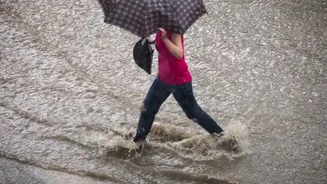
If you are in Varanasi or have an imminent trip planned, flexibility is key. First and foremost, heed all official warnings and do not attempt to venture near the water or seek unauthorized boat rides, which are extremely dangerous in these conditions. Be prepared for waterlogging in some of the city's narrow lanes after heavy downpours and pack appropriate footwear with a good grip, as stone steps can become very slippery. Mosquito activity also increases during this season, so using repellent is advisable. Stay updated by checking local news reports for information on when boat services might be reinstated, which will only happen after the water recedes to a safe level.