









Which Product Is Affected?
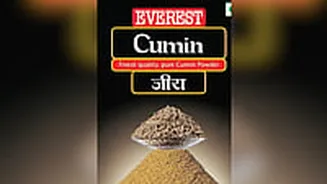
The recall is highly specific and does not affect all Everest products. The Food Safety and Standards Authority of India (FSSAI) has directed Everest Food Products Private Limited to recall its pre-packed cumin powder from a single batch. Consumers are
advised to check their kitchen shelves for Everest Cumin Powder with the Batch Number E080668761. The action was initiated after a regulatory sample collected in Goa was flagged during testing. After the company challenged the initial findings, a second analysis by a Referral Food Laboratory confirmed the results, leading to the immediate recall order for the entire batch.
What 'Excess Residues' Were Found?
The term 'excess residues' refers to pesticides found at levels higher than the maximum limits permitted under Indian food safety laws. In this specific case, laboratory tests detected two pesticides: Azoxystrobin and Thiamethoxam. Azoxystrobin is a fungicide used to protect crops from fungal diseases, while Thiamethoxam is a broad-spectrum insecticide used against various agricultural pests. While the use of pesticides is common in modern agriculture to protect crops, regulatory bodies set strict Maximum Residue Limits (MRLs) to ensure that the amounts remaining in food products are not harmful to consumers. The tested sample from this batch exceeded those legal limits, leading to it being classified as 'unsafe' under the Food Safety and Standards Act, 2006.
Should Consumers Be Worried?
Health experts advise against panic. Finding residues above the permitted limit does not automatically mean a person who consumed the product will suffer immediate illness. The actual health risk depends on several factors, including the concentration of the pesticide, the amount of the product consumed, and the frequency of exposure over time. Long-term exposure to certain pesticide residues can be associated with health concerns, which is why regulatory limits are strictly enforced. However, for accidental or occasional consumption of this specific batch, medical professionals have indicated that immediate poisoning is unlikely. The recall is a precautionary measure to prevent any potential long-term risks associated with consuming food products that do not meet established safety standards.
A Pattern of Scrutiny
This is not the first time Indian spice brands, including Everest, have faced regulatory action. In recent years, both domestic and international food safety agencies have flagged issues with contamination. In 2024, Hong Kong and Singapore recalled an Everest fish curry masala product due to the presence of ethylene oxide, a sterilising agent that is a potential carcinogen. That incident involved a different product and a different chemical, but it highlights the increasing global scrutiny on supply chains for spices. These events underscore the challenges in maintaining safety and quality across a complex global supply chain, from farm to packaging.
What Should You Do Now?
The most important step for consumers is to check their pantry. If you have a packet of Everest Cumin Powder, look for the batch number E080668761 printed on the packaging. If you own a product from this specific batch, you should not consume it. FSSAI has directed the company to recall the stock, and consumers can likely return it to the point of purchase. The company has been ordered to maintain complete records of the recalled stock and report on the progress of the recall. This incident serves as a good reminder for consumers to be vigilant, check for official recall information, and inspect packaging for any signs of damage or tampering before purchase.