






The Inward Journey of Yoga
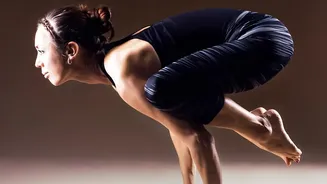
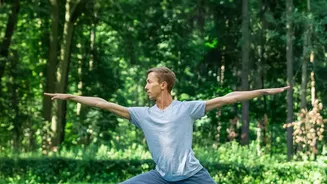
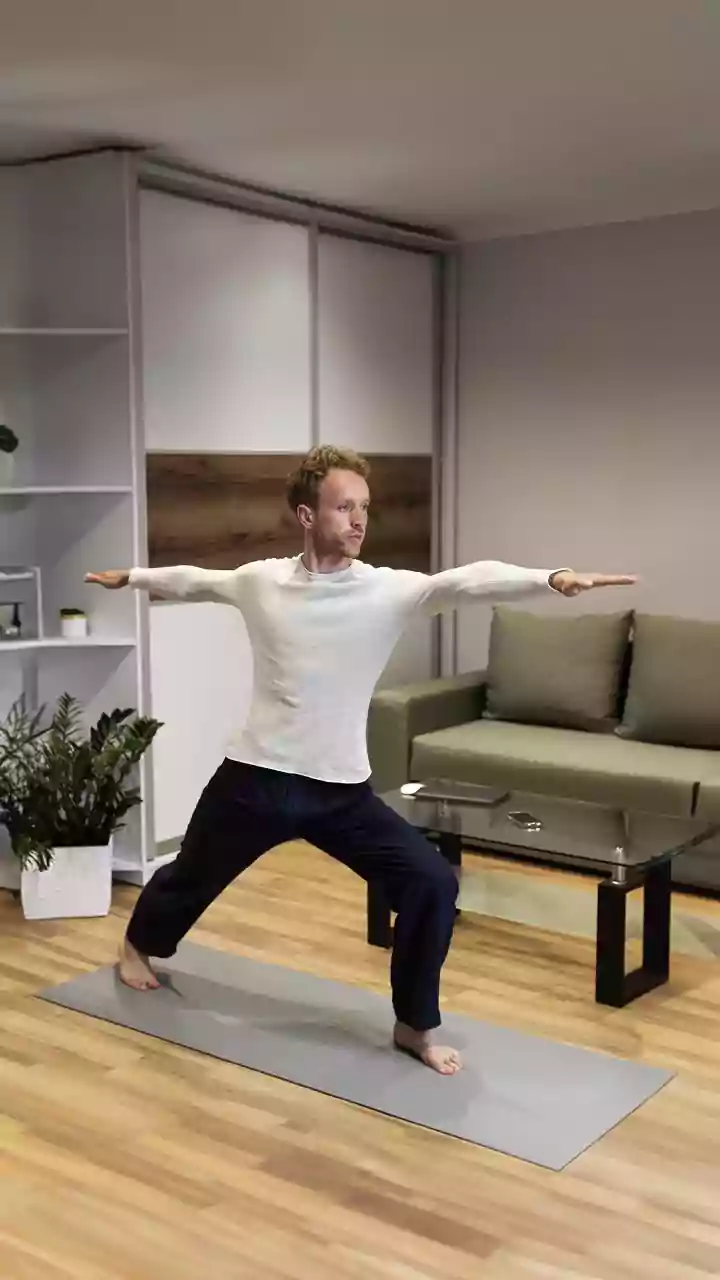
Yoga, an ancient practice with deep roots in India, guides practitioners toward presence by turning their awareness inward. The entire practice is an exercise in interoception—the sense of the internal state of the body. Through asanas (postures), the focus
is on how a shape feels from the inside, the alignment of the spine, the engagement of muscles, and the sensation of stretching. This physical discipline is layered with pranayama, or breath control. By consciously regulating the breath, practitioners can calm the nervous system, which helps to quiet the constant chatter of the mind. This process of drawing the senses away from external distractions is a core concept in yogic philosophy known as 'pratyahara', or sensory withdrawal. To aid this, yoga employs 'drishti', a focused gaze on a single, unmoving point. Whether it is the tip of the nose or the thumb, drishti prevents the eyes from darting around, which in turn helps to stabilise the mind. The goal isn't to block out the world, but to become so absorbed in internal sensations that the external world naturally fades in importance. This creates a broad, immersive sense of presence, where the practitioner is fully inhabiting their own body in the present moment.
The External Stillness of Archery
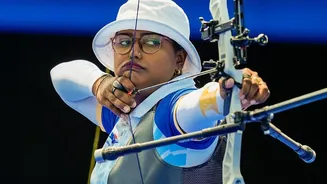
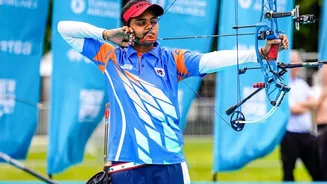
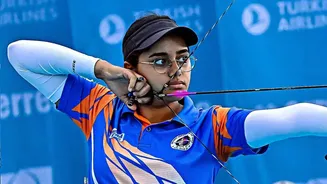
If yoga is an inward journey, archery is its external counterpart. The practice demands an intense, almost singular focus on an external object: the target. From the moment an archer steps up to the shooting line, every thought and action is channelled towards one goal—sending an arrow to a specific point. This requires a state of mind often described as 'mushin' or 'no mind' in Japanese Zen traditions, where conscious thought and ego are transcended. The archer must block out all distractions—the weather, surrounding noise, and even their own internal anxieties about performance. The process is repetitive and ritualistic: nocking the arrow, drawing the bowstring, aiming, and releasing. This rhythmic cycle can become meditative, inducing a state of calm and relieving stress. Unlike yoga's broad internal awareness, archery cultivates a narrow, laser-like focus. The mind becomes completely still because it is filled with a single, all-consuming task. Any mental clutter or emotional turmoil will disrupt the shot, so the practice inherently teaches emotional control and resilience. Success in archery is a direct result of achieving a state of external stillness, where the mind is as quiet and unmoving as the distant target it seeks to hit.
Awareness vs. Stillness: Two Sides of Presence
The fundamental difference lies in where the practitioner places their attention. Yoga cultivates a diffuse, internal awareness. You are present with your breath, your balance, your alignment, and the subtle energy shifts within your body. It is a state of being fully 'in' yourself. This practice can help build a greater sense of self-awareness and emotional regulation that carries into daily life. Archery, conversely, cultivates a sharp, external stillness. You are present with the target, the arrow, and the precise physical mechanics of the shot. It is a state of being fully focused 'out' of yourself, where the internal world is quieted by the sheer demand for external concentration. One practice expands your awareness to fill your own body, while the other narrows it to a single point in the distance. Yoga teaches presence by embracing internal sensory input; archery teaches presence by silencing it in favour of a single external goal.
Which Path Is Right for You?
Choosing between yoga and archery depends on your personality and what you seek from a mindfulness practice. If you are drawn to introspection, self-exploration, and understanding the connection between your mind and body, the inward journey of yoga might be more fulfilling. It is a practice of constant self-dialogue and discovery. If, however, you find your mind is too 'busy' for quiet introspection and you benefit from having a clear, external goal to silence the noise, archery could be a perfect fit. The clear feedback of hitting or missing a target provides a concrete measure of your focus that can be deeply satisfying. For those who struggle to sit still and meditate, the active, goal-oriented nature of archery can provide a more accessible entry point into a mindful state. There is no superior path; both are powerful tools for training the mind. One asks you to look inside and listen, while the other asks you to look outside and quieten down.