






The Familiar Travel Dilemma
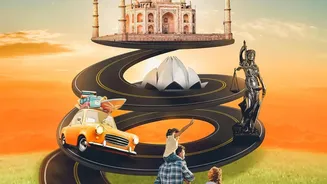
Planning a short trip with the family in India has traditionally been a test of patience. Journeys that look manageable on a map often unravel into stressful, day-long ordeals. Hours spent stuck in highway traffic, with children getting restless in the backseat,
are a common experience. Key concerns have always included road safety, the sheer time commitment, and the scarcity of clean, family-friendly amenities like restrooms and restaurants along the way. Train journeys, while a classic Indian experience, could be slow and crowded, and booking tickets for the whole family often required planning weeks or even months in advance. Air travel, meanwhile, was often too expensive or limited to major cities, leaving many scenic destinations out of reach for a simple two-day trip. This combination of factors meant that spontaneous travel was a luxury few could afford, and many beautiful parts of the country remained just a little too far for a practical family break.
A New Era of Road Trips
The most visible change for many families is the quality of India's road network. A massive expansion of expressways is dramatically cutting down travel times and making road trips a genuinely enjoyable option. For instance, the Delhi-Meerut Expressway has reduced a two-and-a-half-hour journey to just 50 minutes, while the Bengaluru-Mysuru Expressway has cut a three-hour drive to around 75 minutes. The upcoming Delhi-Mumbai Expressway is expected to reduce travel time from 33 hours to just 12. These are not just roads; they are modern, access-controlled highways designed for higher speeds and greater safety. For families, this means less time on the road and more time at the destination. Crucially, these new routes are also being developed with better roadside amenities, including food courts, clean toilets, and petrol pumps, addressing a long-standing concern for those travelling with children and elderly relatives.
The Railway Renaissance
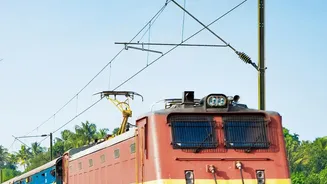
Indian Railways is undergoing its own transformation, led by the growing network of Vande Bharat Express trains. These semi-high-speed trains are redefining comfort and efficiency in rail travel. With features like rotating seats, GPS-based passenger information, bio-vacuum toilets, and onboard catering, they offer a travel experience that is far more relaxing for families. Vande Bharat trains now connect hundreds of districts, linking major cities with important pilgrimage and tourist destinations. Routes like Delhi to Katra have made weekend trips to Vaishno Devi much more feasible, while connections to cities like Varanasi and Tirupati are boosting spiritual tourism. By significantly reducing journey times—for example, the Delhi-Varanasi trip takes around eight hours—these trains turn a previously tiring overnight journey into a comfortable day trip, opening up new possibilities for family exploration without the need for a long holiday.
Taking to the Skies, Locally
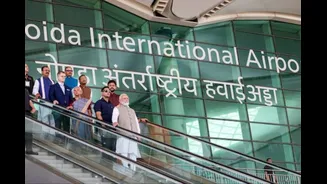
Beyond roads and rails, the UDAN (Ude Desh ka Aam Nagrik) scheme is quietly revolutionising regional air travel. The goal of the scheme is simple: to make flying affordable and accessible to more Indians by connecting unserved and underserved airports. Since its launch, the number of operational airports in India has more than doubled, from 74 in 2014 to over 160. This has put many smaller towns and remote tourist spots on the aviation map for the first time. For families, this means destinations that were once a multi-day journey by road or rail, such as those in the North-East or hilly regions, are now just a short flight away. The scheme has played a key role in boosting tourism to places like the Kullu Valley, Ziro in Arunachal Pradesh, and various heritage sites, making them viable options for a quick family getaway.