









Your First Line of Defence
Think of it as your personal insurance policy against fraud and misunderstandings. When you save a copy of the webpage, advertisement, or document that lists the official requirements, you are creating a record. This record is your proof of what was promised
and what was expected. Scammers and unreliable agents thrive on ambiguity and urgency. They pressure you to act fast before you can think clearly or do your own research. By taking a moment to save a screenshot or a PDF of the official terms, you are establishing a baseline of truth. If the story changes later or someone demands extra, undocumented fees, your saved copy becomes your most powerful tool. It allows you to challenge inconsistencies and protects you from being exploited. This simple habit shifts the power back into your hands.
The Job Offer Too Good to Be True
Job scams are rampant and often begin with an irresistible offer. Scammers promise high salaries for little work, instant selection without a proper interview, or a guaranteed government job. Their goal is to trick you into paying for registration, training materials, or a 'refundable' security deposit. Legitimate employers will never ask for money to hire you. Before you get excited about an offer, find the official careers page on the company's actual website and see if the vacancy is listed there. Check if the email comes from a professional company domain, not a free email service. Scammers often create fake websites or clone real ones to appear legitimate. Always save a copy of the original job description. If the role or salary details change after you've paid a fee, you have evidence of the initial promise. Reporting these scams with clear proof is crucial.
Navigating Visas and Immigration
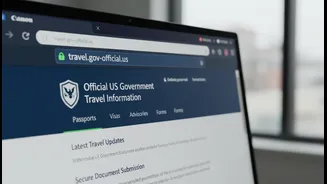
The dream of working or studying abroad makes many people vulnerable to visa fraud. Fraudulent agents promise guaranteed visas or fast-tracked processing for a hefty fee. They often use fake websites that mimic official government portals to steal your money and personal information. The most important rule is to rely only on official sources. Every country's visa requirements are publicly available on their official embassy or consulate websites. Look for official government domains, which in India are typically 'gov.in' or 'nic.in'. Before engaging any agent, download the official visa requirement checklist and fee structure from the embassy's website yourself. Save this document. Any agent who tells you something different, demands extra cash payments, or guarantees an outcome is a major red flag. The official document is your guide to what is truly required.
Accessing Government Services
From welfare schemes to official documents like passports or PAN cards, navigating government services can seem complex, creating an opening for middlemen who demand a fee for something that should be low-cost or even free. The Government of India has made significant efforts to digitise services through portals like the National Portal of India (india.gov.in) and services like DigiLocker. These are designed to give citizens direct access. Before paying an agent to 'help' you, visit the official department website. All application forms, required documents, and official fees are listed there. Download the forms and instructions. This not only clarifies the process but also shows you exactly what the official cost is. Paying an agent hundreds or thousands of rupees for a service that has a nominal official fee is a common way people lose money.
How to Properly Save and Verify
Saving a copy is more than just a quick screenshot. For maximum protection, follow these steps. First, save the entire webpage as a PDF, as this often preserves the date and original web address. If you take a screenshot, make sure the URL is visible. Note down the date and time you accessed the information. For any company or agent, verify their credentials independently. For a company, look up their registration details. For a visa consultant, check if they are registered with the appropriate authorities. Never rely on contact information provided in an unsolicited email or message; find the official phone number or address from a reliable source and make contact yourself. This due diligence, combined with your saved copy of the requirements, forms a robust defence against potential fraud.