



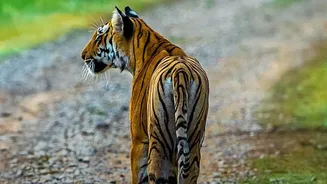
The Quintessential Tiger Quest
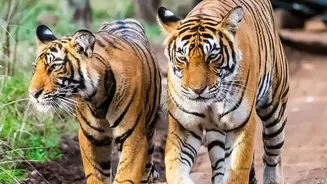
The pursuit of the Royal Bengal tiger is a classic for a reason. Ranthambore National Park in Rajasthan offers one of the most iconic backdrops for this adventure. The park, a former royal hunting ground, is characterized by its ancient fort, historic
ruins, and shimmering lakes, creating a dramatic landscape for tiger sightings. With a healthy tiger population, these predators are often active during the day, giving visitors a good chance of spotting them. While the tiger is the star, Ranthambore is also home to leopards, sloth bears, sambar deer, and marsh crocodiles, making every safari a complete wildlife experience.
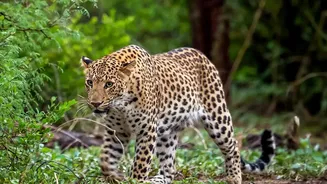
In the Land of the Elusive Leopard
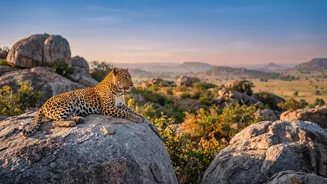
For a different kind of big cat safari, the Jawai region in Rajasthan is unparalleled. Known as the 'leopard hills,' this area is not a formal national park but a conservation reserve where leopards and humans coexist in remarkable harmony. The landscape is dominated by dramatic granite outcrops and caves, which provide a perfect habitat for these adaptable predators. Unlike dense forests where leopards are notoriously shy, the open terrain of Jawai offers more frequent and clearer sightings. Safaris here feel more exploratory, often led by local trackers from the Rabari community who share a deep, respectful bond with the animals.
On the Trail of Gentle Giants
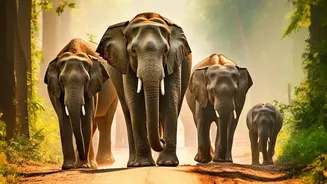
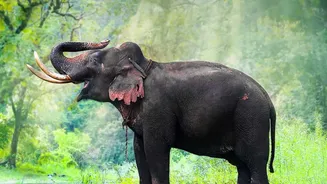
To witness the grandeur of the Asiatic elephant, Jim Corbett National Park in Uttarakhand is a premier destination. As India's oldest national park, Corbett boasts a thriving elephant population that has grown steadily over the years thanks to strong conservation efforts. The park’s diverse terrain of dense forests, riverbeds, and grasslands, particularly in the Dhikala zone, offers plentiful opportunities to see large herds. Watching a family of elephants move through the tall grasses or cross the Ramganga River is a truly memorable spectacle, showcasing a different side of India's wildlife story beyond its famous predators.
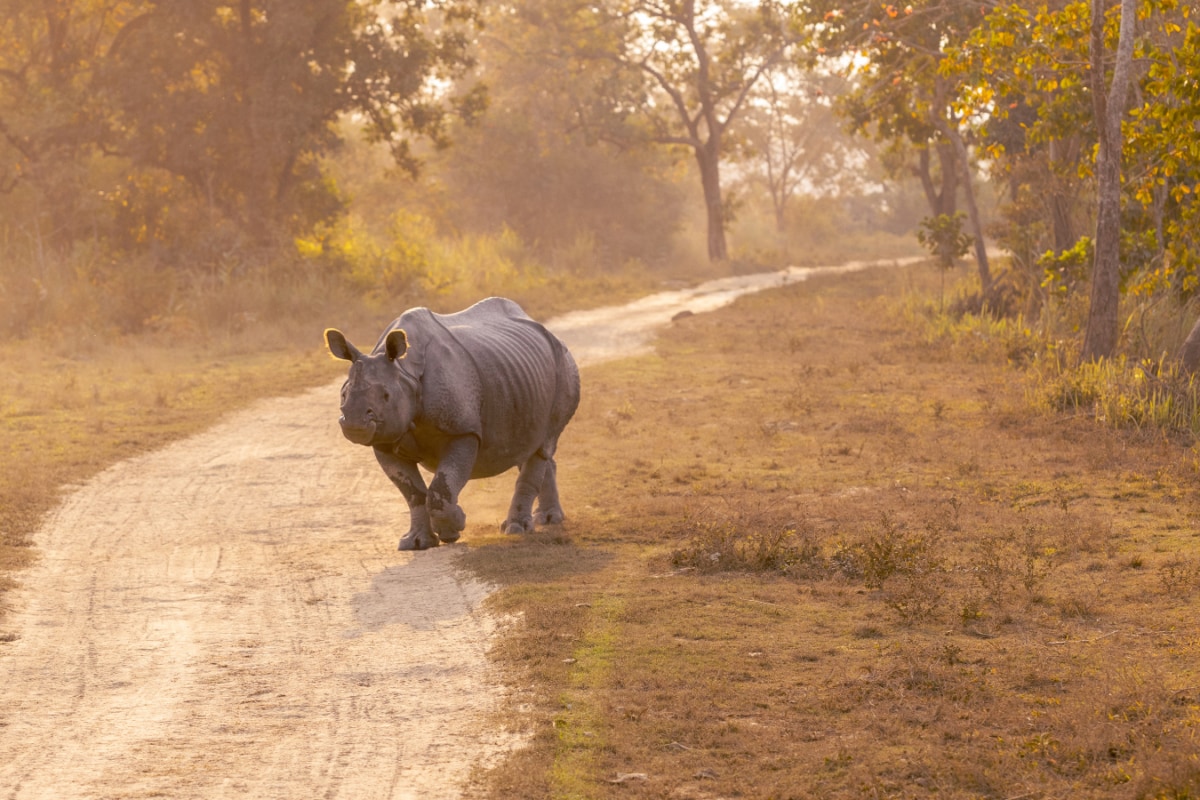
Beyond the Big Three: The Rhino's Realm
To truly appreciate the diversity of India’s fauna, a journey to Kaziranga National Park in Assam is essential. This UNESCO World Heritage Site is a conservation success story, hosting the world's largest population of the Indian one-horned rhinoceros. The park's vast floodplains along the Brahmaputra River consist of tall elephant grass and wetlands, creating an ideal environment for these prehistoric-looking giants. Kaziranga offers a unique safari experience, combining traditional jeep tours with elephant-back rides at dawn for exceptionally close encounters with rhinos. The park also boasts a high density of tigers, a significant population of wild water buffalo, and over a thousand elephants, making it a true biodiversity hotspot.