






What Are These Consumption Standards?
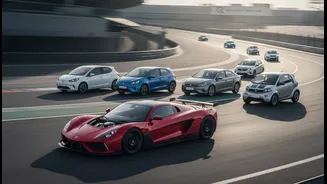
These regulations are known as Corporate Average Fuel Economy (CAFE) norms. Unlike standards for individual car models, CAFE norms measure the average performance of an automaker's entire fleet sold in a year. The goal is to make the overall fleet more
fuel-efficient and less polluting. Compliance is measured using carbon dioxide (CO2) emissions, which are directly linked to how much fuel a vehicle burns. India first introduced these norms in 2017, with the second, stricter phase (CAFE-II) coming into effect in 2022. The new proposal is for CAFE-III, the next logical step in this regulatory journey.
Why Are the Norms Being Revised Now?
The push for CAFE-III is driven by several national priorities: reducing dependence on imported crude oil, curbing air pollution, and meeting India's international climate commitments. The Ministry of Power, along with the Bureau of Energy Efficiency (BEE), has released the draft norms for the period from financial year 2027-28 to 2031-32. The proposal aims to progressively tighten the fleet-average fuel consumption targets over five years. For instance, the target is proposed to improve from 94.76 gCO₂/km in FY2028 to a much stricter 78.90 gCO₂/km by FY2032. This move aligns with a global shift towards cleaner transportation.
The Public Gets a Say
In a key democratic move, the government has opened the draft CAFE-III regulations for public consultation. Automakers, industry bodies, environmental groups, and individual citizens have until August 6, 2026, to submit their feedback and suggestions to the Ministry of Power. This process allows all stakeholders to voice their perspectives, highlighting potential challenges and opportunities. The government will consider this feedback before finalising the rules, ensuring that the final policy is balanced and robust. Industry bodies like the Society of Indian Automobile Manufacturers (SIAM) have reportedly given initial endorsement to the draft framework.
What Could This Mean for Car Buyers?
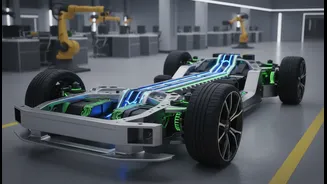
For consumers, the most significant impact will be on fuel efficiency. The new rules will push manufacturers to sell cars that go further on every litre of fuel, potentially leading to significant fuel cost savings over the vehicle's lifetime. One rating agency estimates cumulative fuel savings could reach around ₹38,000 crore between 2028 and 2032. However, this could also affect car prices. To meet stricter targets, manufacturers may need to invest in advanced technologies like engine downsizing, lightweight materials, hybrids, and electric powertrains, which could increase the initial cost of vehicles. The market is expected to see a wider variety of hybrid and electric vehicles as a result.
Challenges and Opportunities for Automakers
Automakers will face the challenge of re-engineering their vehicle portfolios. Companies with a heavy reliance on larger, less efficient SUVs may find compliance more difficult. The norms include a system of credits and debits. Manufacturers that over-comply can earn credits, which can be traded or sold to those who fall short. The draft also introduces incentives for cleaner technologies. For the first time, it proposes recognising the carbon neutrality of fuels like ethanol and compressed bio-gas (CBG). It also retains 'super credits' for electric and strong hybrid vehicles, making them more valuable for meeting fleet targets. This flexible, market-based mechanism is designed to encourage innovation without placing an undue burden on any single manufacturer.
A Big Step Towards Greener Mobility
The proposed CAFE-III norms are a crucial component of India's broader strategy for a sustainable future. By promoting fuel efficiency and reducing emissions, they complement other initiatives like the push for electric vehicles and the rollout of stricter Bharat Stage (BS-VI) emission standards. One of the key changes proposed is shifting the vehicle testing procedure from the older Modified Indian Driving Cycle (MIDC) to the more realistic Worldwide Harmonised Light Vehicles Test Procedure (WLTP) by 2027, which better reflects real-world driving conditions. This ensures that the claimed fuel efficiency is closer to what drivers actually experience on the road, building consumer trust and delivering tangible environmental benefits.