






The Global Craze for Green Gold
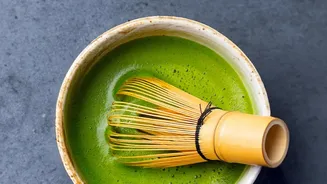
Matcha is no longer just a component of formal Japanese tea ceremonies; it has become a global phenomenon. Driven by its reputation as a superfood packed with antioxidants and its versatility in everything from lattes and smoothies to cakes and cosmetics,
demand has exploded across North America, Europe, and even the Middle East. This international appetite has turned the finely ground green powder into a lucrative export. Reports show that the value of Japan's green tea exports has risen dramatically in recent years, with the United States being the largest market. Consumers are drawn to its unique flavour and purported health benefits, such as providing a calmer, more sustained energy boost compared to coffee.
A Tale of Two Teas at Home
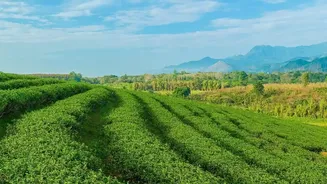
While matcha enjoys the international spotlight, the situation for more traditional green teas like sencha is vastly different back in Japan. For decades, sencha, a steamed green tea, has been a daily staple. However, Japan's aging population and the shifting tastes of younger generations, who often prefer coffee or other beverages, have led to a steady decline in domestic demand. This has created a tough economic reality for farmers: the price for tea leaves destined for the domestic market, particularly for bottled teas, has slumped. Faced with falling profits and a shrinking local customer base, many tea growers have been forced to reconsider what they cultivate.
The Economic Logic of the Switch
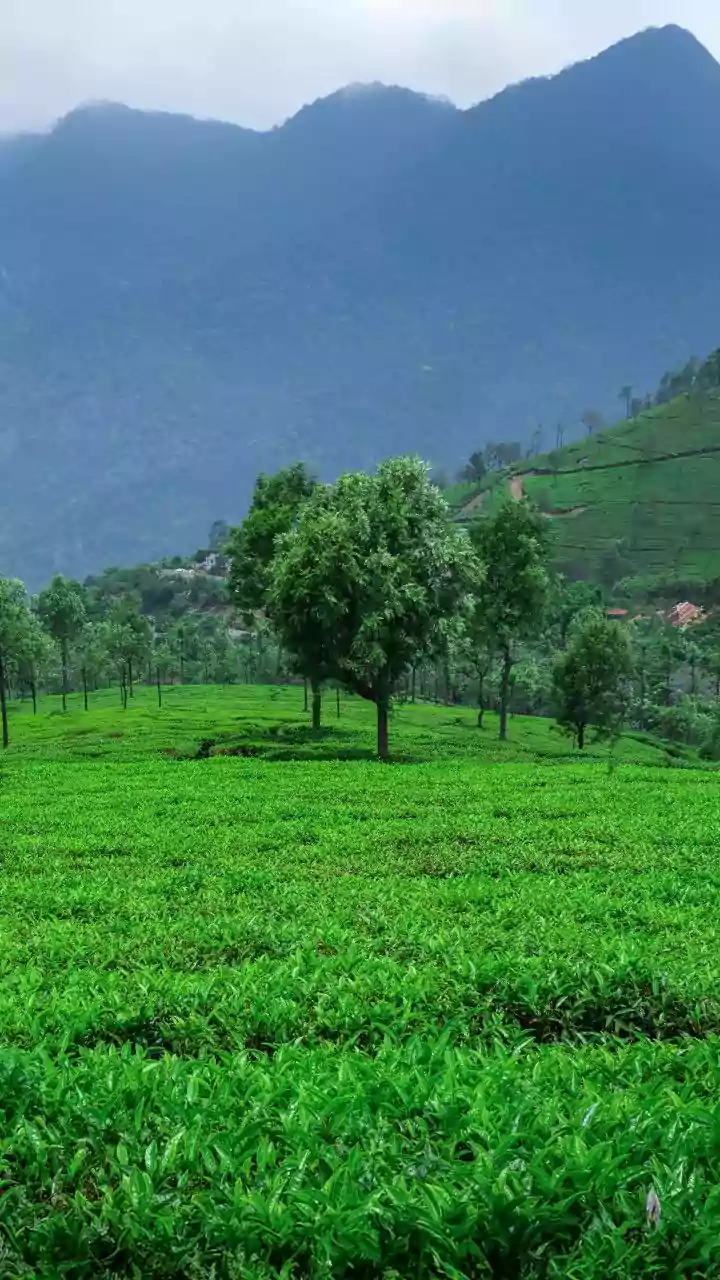
The decision to switch to matcha production is rooted in simple economics. The leaves grown specifically for matcha, known as tencha, command a much higher price than those grown for sencha. Growing tencha is a more laborious and specialised process. The tea plants must be shaded from direct sunlight for several weeks before harvest. This technique increases the chlorophyll and L-theanine content in the leaves, which gives matcha its characteristic vibrant green colour and umami-rich, smooth flavour. While this requires more investment in equipment like shading structures and a different set of skills, the financial payoff is significant. For many farmers, the higher market price for tencha not only compensates for the extra work but offers a pathway to profitability that has been disappearing from the traditional tea market.
Challenges on the Path to Production
The shift is not without its hurdles. Transitioning a tea farm from sencha to tencha cultivation requires significant upfront capital for new equipment and infrastructure. It also demands a new level of expertise to manage the delicate shading process and protect the plants. Furthermore, there is a growing concern about a potential 'matcha bubble'. As more farmers rush to meet the current high demand, there's a risk of future oversupply, which could eventually drive down prices. Maintaining the premium quality and reputation of Japanese matcha is also crucial. Some regions are using strategies like official Geographical Indication (GI) labels, such as for 'Uji Matcha', to protect their brand and assure consumers of its origin and quality amid a flood of lower-grade powders on the global market.
Preserving Heritage While Embracing Change
This agricultural pivot represents a crossroads for Japan's tea culture. While the global success of matcha provides a vital economic lifeline for farming communities, it also raises questions about the future of other treasured teas like sencha, gyokuro, and bancha. These teas are deeply woven into the fabric of Japanese daily life and cultural heritage. The challenge for the industry lies in finding a balance. The ideal future involves leveraging the global popularity of matcha to support the entire tea ecosystem, ensuring that the rich diversity of Japanese tea is preserved for generations to come. It is a story of adaptation, where a centuries-old tradition is evolving to survive and thrive in a modern, globalised world.