



A New Puffin in the Sky
No, it's not the seabird. In the world of astrophysics, PUFFINS stands for 'Polarimetry in the Ultraviolet to Find Features in INterStellar dust'. This upcoming NASA-funded SmallSat mission, led by the University of Arizona, is designed to do something
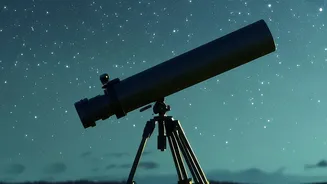
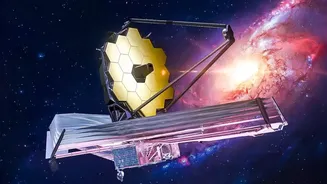
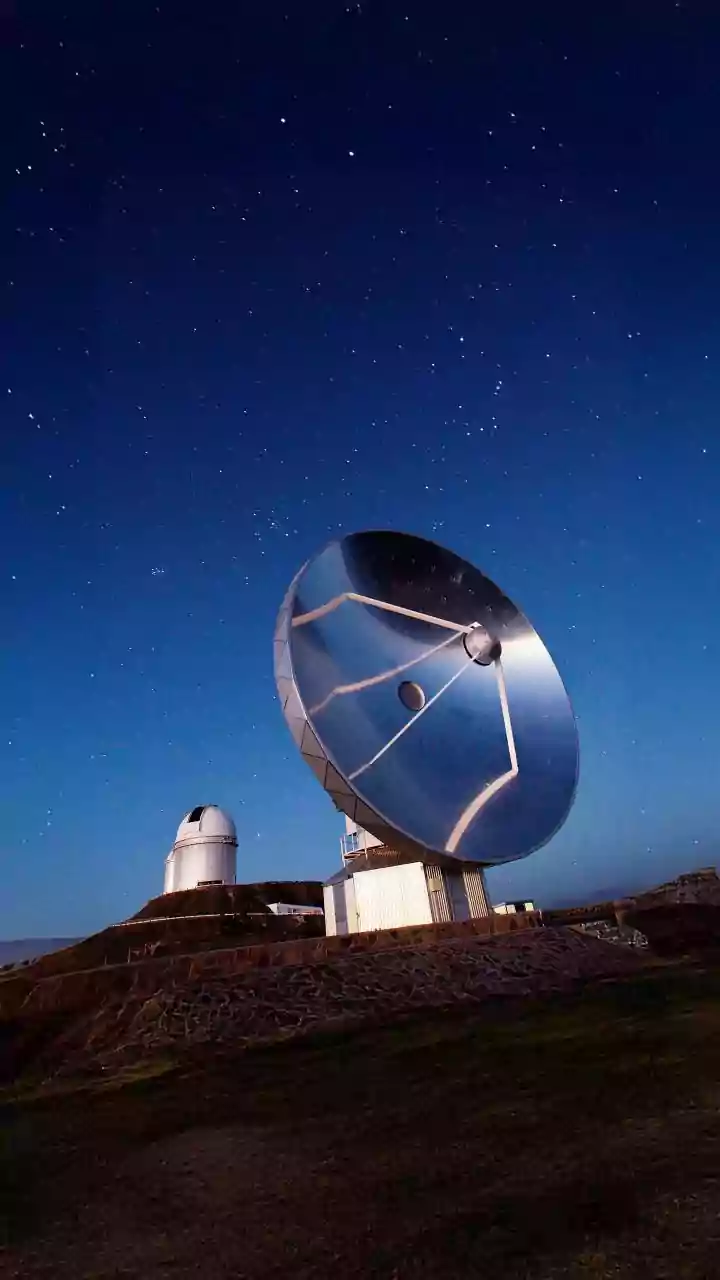
remarkably difficult: study the smallest, faintest grains of dust drifting in the interstellar medium—the space between stars. Unlike giant observatories, PUFFINS features a specialized 10-inch telescope. Its goal is not to take grand, sweeping images of the cosmos, but to perform a very specific and crucial task that larger telescopes aren't equipped for. It will observe the ultraviolet light from about 70 different stars to understand what happens to their light as it travels through clouds of cosmic dust.
Seeing Dust Through Its Shadow
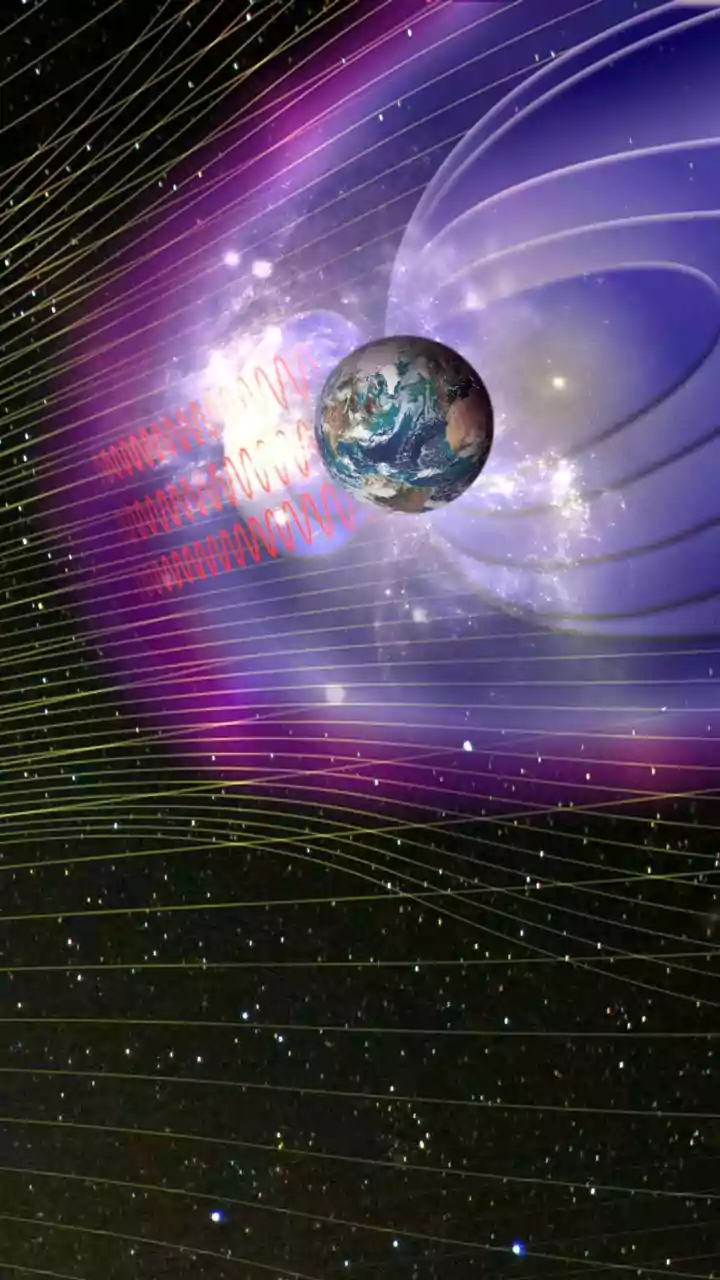
So how do you see dust that is essentially invisible to conventional telescopes? PUFFINS won't be looking at the dust directly. Instead, it will use a clever technique called ultraviolet spectropolarimetry. Think of it like this: starlight is made of light waves that vibrate in all directions. When this light passes through interstellar dust, some of the dust grains, which are elongated and aligned by the galaxy's magnetic field, act like tiny polarizing filters. They block light vibrating in certain directions while letting other light pass through. PUFFINS will measure this change in the light's polarization. By analyzing how the ultraviolet light from a distant star is polarized, scientists can deduce the size, shape, and composition of the dust grains it passed through, even if those grains are smaller than 50 nanometers—roughly the size of a virus.
The Galaxy's Invisible Halo
Much of this hard-to-see dust resides in a region that has long puzzled astronomers: the circumgalactic medium, or CGM. The CGM is a vast, diffuse halo of gas and dust that surrounds galaxies, including our own Milky Way. This region is a massive reservoir of materials but is incredibly faint, making it extremely difficult to study with traditional imaging. Scientists believe the CGM is a critical component of a galaxy's ecosystem. It acts as a cosmic recycling plant, catching material ejected from the galaxy by events like supernovae and then slowly feeding that material back into the galaxy to fuel the birth of new stars. Understanding the CGM is essential for building a complete picture of how galaxies sustain themselves and evolve over billions of years.
Why This Tiny Dust Matters
The dust grains PUFFINS will study, though minuscule, play an outsized role in the universe. They are the building blocks of future stars and planets. Dust clouds provide the shielded, cool environments necessary for gas to clump together and ignite into new stars. The chemical elements locked within these dust grains, forged inside previous generations of stars, are eventually incorporated into new planetary systems—and perhaps, into life itself. By mapping the properties of this dust, PUFFINS will help answer fundamental questions: What is this dust made of? How does it behave in the galaxy's magnetic field? And how does this cosmic recycling process truly work? The mission will revive the use of ultraviolet spectropolarimetry in space, a technique that has not been deployed for nearly three decades, opening a new window into these long-standing astronomical mysteries.