





A New Frontier for Indian Wildlife Tourism
In a landmark move for eco-tourism, the Ladakh administration has given the green light to India's first-ever guided high-altitude wildlife safari. The decision was announced on August 6, 2026, following a meeting of the newly formed Snow Leopard and High-Altitude
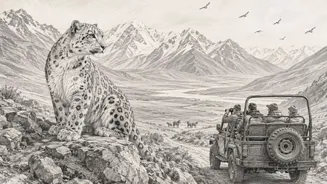
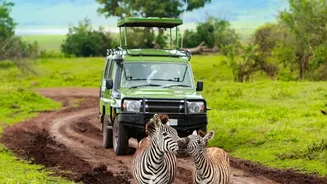
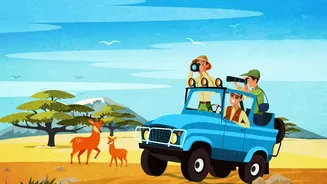
Nature (SHAN) Conservation Society, chaired by Ladakh's Lieutenant Governor, Vinai Kumar Saxena. This initiative aims to offer a structured and sustainable way for visitors to experience the region's breathtaking landscapes and rare wildlife, moving beyond the conventional safari model seen in other parts of India. The plan is to introduce guided jeep safaris similar to those in famous national parks like Kaziranga and Ranthambore, but adapted for Ladakh's unique and fragile environment.
The Stars of the Show: Snow Leopards and More
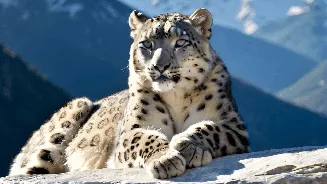
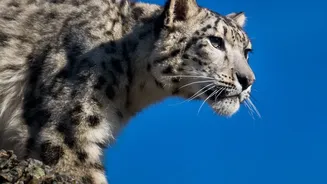
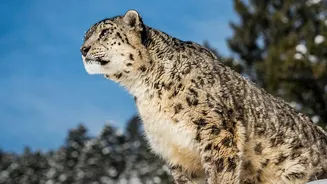
The headline attraction is undoubtedly the snow leopard, often called the 'ghost of the mountains'. Ladakh is a crucial habitat for this elusive big cat, home to an estimated 477 of India's total population of 718. But the region's biodiversity extends far beyond this single species. The safari routes will traverse areas rich in other unique fauna. Visitors might spot the Kiang (Tibetan wild ass), blue sheep, Tibetan argali, and the Himalayan marmot. The area is also a haven for birdwatchers, with over 340 recorded bird species, including the rare black-necked crane, bar-headed geese, and the lammergeier. The safari promises a chance to witness animals that have adapted to survive in one of the world's most extreme cold desert environments.
Where Will the Safari Take Place?
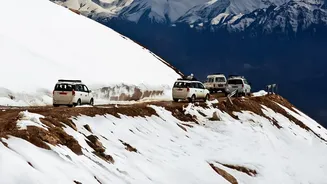
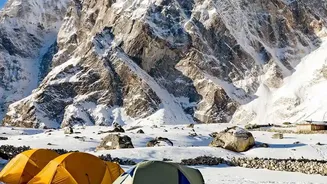
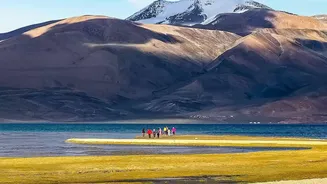
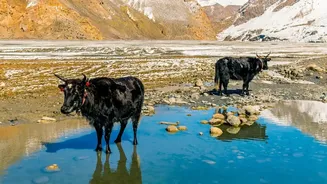
The Forest Department has been tasked with identifying and developing safari routes across several of Ladakh's most stunning and wildlife-rich areas. Potential locations include the famous Hemis National Park, the vast Changthang Wildlife Sanctuary, and the remote Karakoram Wildlife Sanctuary. Other areas being considered are Nubra, Zanskar, Sham, Kargil, and Drass, all known for their significant snow leopard populations and avian diversity. These areas are situated at extreme altitudes, often between 14,000 and 19,000 feet, offering a truly unique high-altitude experience. The safari will use specially designed open-back vehicles, ensuring that tourism is regulated and contained to specific trails to prevent environmental damage.
Conservation Meets Community
This initiative is about more than just tourism; it's a strategic move to blend wildlife conservation with community empowerment. A key goal is to curb illegal off-roading by tourists, which can disturb fragile ecosystems and distress wildlife. By creating a structured safari system, the administration hopes to promote responsible tourism. Furthermore, the project aims to make local communities direct stakeholders. Twenty local youths will be selected and trained as expert nature guides, skilled in bird identification and tracking. This provides sustainable livelihood opportunities and ensures that the economic benefits of tourism reach the local population, creating powerful incentives for conservation. The vision is for Ladakh to become a global example of community-led, high-altitude mountain tourism.