






The Core Is the Engine
Experienced kayakers know a secret that beginners often miss: the most powerful paddling doesn't come from the arms. While arm muscles are involved, they fatigue quickly. True, sustainable power comes from the body's core—the strong, supportive muscles of the torso,
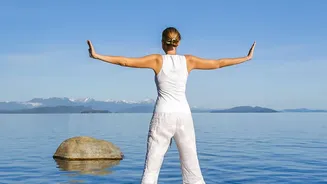
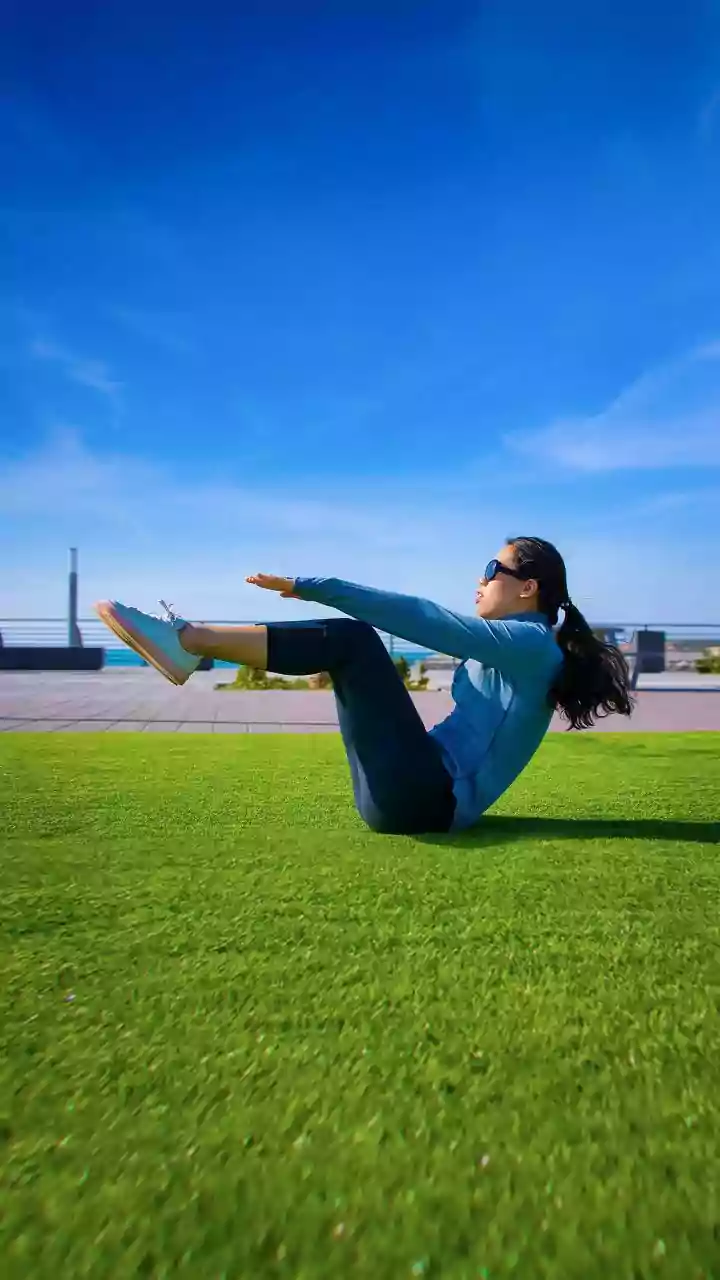
back, and hips. This is the central principle that links kayaking directly to Tai Chi. In Tai Chi, all movement is said to originate from the waist, which acts as the 'ruler' of the body. This concept of a strong, active core generating and guiding movement is fundamental to both practices, transforming the paddle stroke from a tiring arm exercise into an efficient, full-body motion.
Mastering Torso Rotation
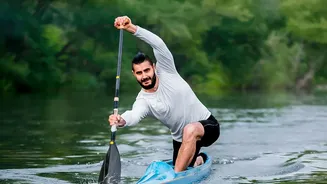
The key to engaging the core in kayaking is torso rotation. Instead of just pulling the paddle with your arms, an effective stroke involves winding up the torso and then unwinding it, using the large, powerful muscles of your back and obliques to drive the paddle through the water. This is precisely the kind of movement trained in Tai Chi. The slow, controlled twists and rotations in Tai Chi forms are designed to build rotational strength and mobility in the spine and hips. By practising these movements, you develop a deep sense of how to initiate a twist from your centre, which translates directly to a more powerful and less injury-prone paddle stroke. This protects the smaller, more vulnerable shoulder muscles from strain.
Fluidity and Relaxation Over Brute Force
Another core tenet of Tai Chi is relaxation and fluidity. Practitioners are taught to remain relaxed, without tension, allowing energy to move through the body like a wave. It’s often described as 'swimming on land'. This principle is revolutionary when applied to kayaking. Many paddlers try to muscle their way through the water, creating splash and burning energy. A Tai Chi approach encourages a smooth, continuous stroke. The idea is not to fight the water but to work with it, planting the paddle and rotating your body to move the boat past the blade. This emphasis on fluid motion, much like the continuous, unbroken movements in Tai Chi, builds endurance and makes paddling feel less like a struggle and more like a dance.
Posture, Balance, and Mindful Movement
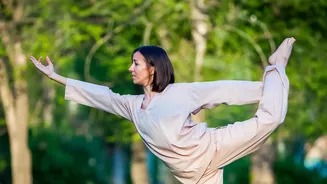
A stable base is crucial in both activities. In Tai Chi, practitioners focus on being rooted to the ground, maintaining an upright, aligned spine to allow for balanced, efficient movement. In a kayak, good posture—sitting tall rather than slouching—is the foundation for effective torso rotation and stability on the water. Tai Chi significantly enhances proprioception, which is your body’s ability to sense its position in space. This heightened awareness helps a kayaker make constant, subtle adjustments to maintain balance in response to waves and wind. Furthermore, Tai Chi is often called 'meditation in motion' for its focus on mindfulness and breath. Bringing this mindful awareness to your kayaking—focusing on your breath and the sensation of each movement—can not only improve your technique but also deepen your enjoyment and connection to the water.