

A Strategy Beyond the Showroom
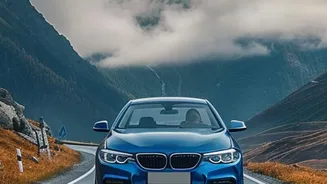
While new car launches generate the most buzz, BMW Group India's real ambition for 2026 lies in a multi-pronged strategy that reinforces its commitment to the Indian market. The company is looking past simple sales figures and focusing on creating a sustainable
ecosystem. This involves strengthening local manufacturing, empowering customers with a variety of powertrain choices, building out a robust electric vehicle (EV) charging network, and expanding its retail presence into new cities. This holistic approach signals a long-term vision, aiming to solidify its position not just as a seller of premium cars, but as a core part of India's evolving automotive landscape.
Deepening Roots with Local Production
A key pillar of BMW's plan is the significant enhancement of its Chennai plant. What started as a modest assembly unit in 2007 has evolved into a manufacturing powerhouse. The facility now has the capacity to produce 17,500 vehicles annually and assembles an impressive range of eleven different models. The company has achieved up to 50% localisation for its vehicles, sourcing critical components like engines, axles, and seats locally. This strategy of building cars in India, for India, not only helps in managing costs and reducing exposure to import duties but also allows for greater flexibility in responding to market demands. The recent addition of the MINI Countryman to the local production line underscores this commitment.
The 'Power of Choice' Philosophy
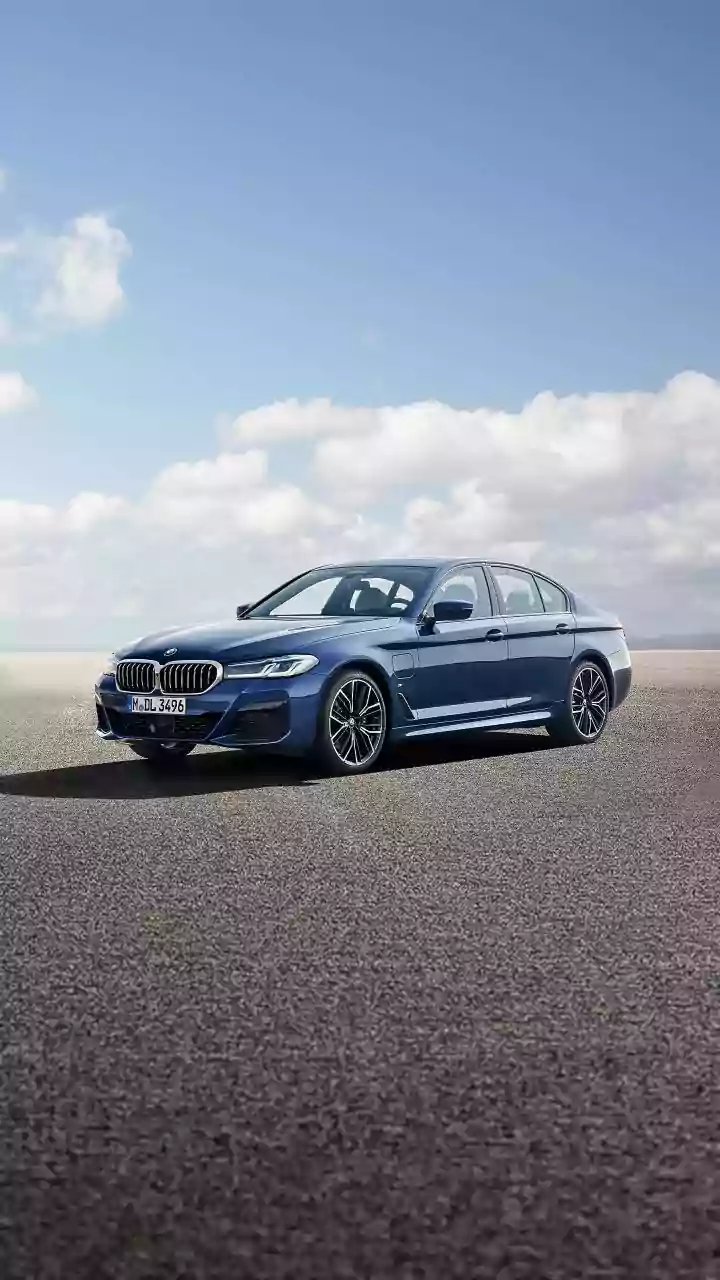
Recognising the diverse needs of Indian consumers, BMW is championing a 'Power of Choice' strategy. Instead of betting on a single technology, the carmaker offers a full spectrum of petrol, diesel, and all-electric powertrains, often within the same model family. This allows the brand to cater to different customer preferences and adapt to varying levels of infrastructure readiness across the country. The flexibility is made possible by its advanced Chennai facility, where different powertrain versions can be built on the same assembly line. This approach ensures that whether a customer is ready for an EV or still prefers a traditional combustion engine, there is a BMW to meet their needs.
Building the Future with Electrification
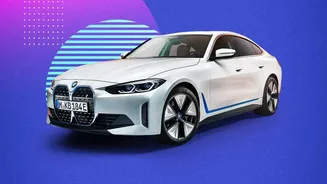
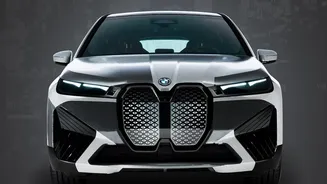
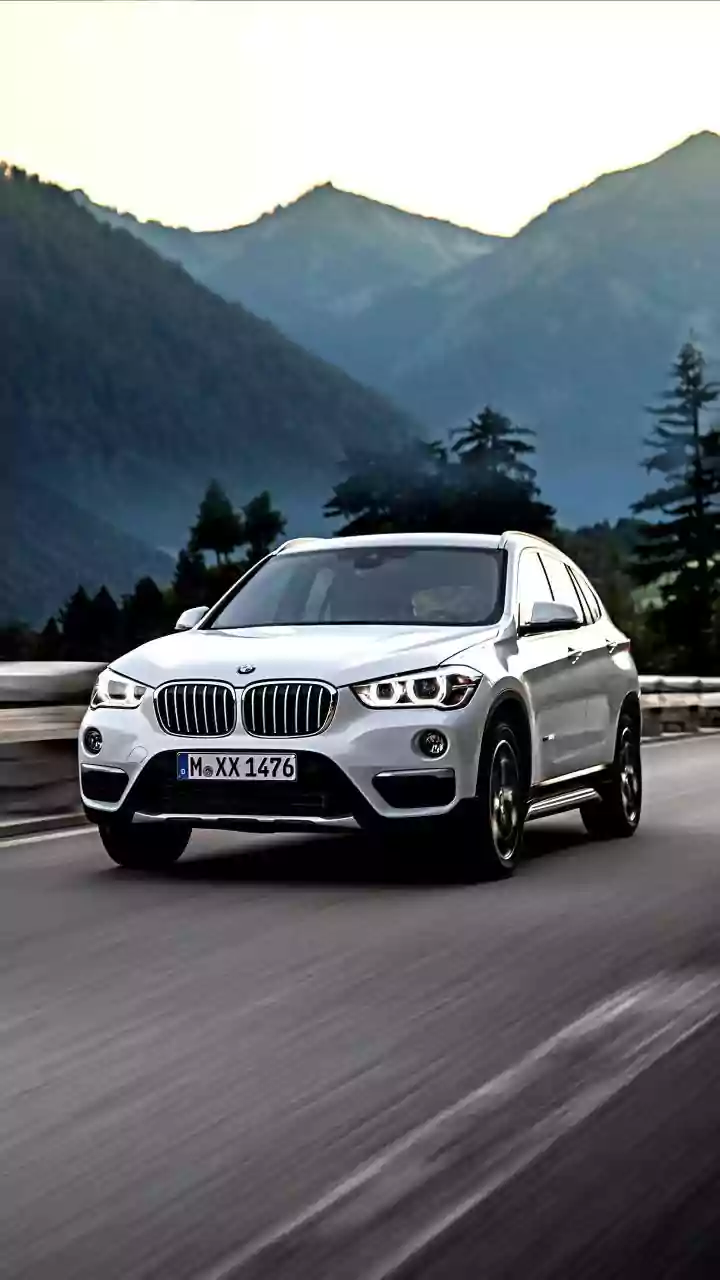
Electric vehicles are a major growth driver for BMW in India, with EV sales showing remarkable year-on-year growth. The company's first locally assembled EV, the iX1, has been a significant success. However, BMW understands that selling EVs is only half the battle. To accelerate adoption, the company is aggressively expanding its charging infrastructure. The plan includes installing more fast chargers across its dealership network, which covers over 35 cities. This ensures that customers have peace of mind and convenient access to charging, addressing one of the biggest hurdles for potential EV buyers. The upcoming Neue Klasse EV platform, set to debut in India in 2027, will further boost its electric portfolio with next-generation battery technology.
Expanding Reach into New Markets
To capture the growing aspiration in non-metro areas, BMW is actively expanding its footprint beyond the traditional Tier-1 cities. The company plans to add ten new cities to its network in 2026, including markets like Jaipur, Lucknow, Ranchi, and Surat. This expansion isn't just about opening more showrooms; it involves new retail formats and a greater focus on brands like MINI to attract a wider customer base. By moving into these emerging markets, BMW aims to connect with a new generation of luxury car buyers and service them closer to home, tapping into the rising disposable incomes and demand for premium goods and services across India.