





In what is being called the largest theft of any kind in history, US authorities are investigating a colossal digital asset heist from Binance, the world's largest cryptocurrency exchange, with losses estimated at over $6 billion.
The Heist of a Lifetime
On October 29, 2026,
attackers drained Binance's hot wallets across multiple blockchains in a highly sophisticated and swift operation. Within about 20 minutes, an estimated $6.3 to $6.4 billion in various crypto assets were siphoned off, including significant amounts of Bitcoin, Ethereum, and stablecoins like USDT and USDC. According to Binance, the attack was a complex, multi-stage campaign that had been in the works for months, not a simple breach. It appears to have begun in June when an engineer downloaded malicious software disguised as a coding tool, which eventually gave the hackers access to crucial internal systems. The attackers exploited this access to submit unauthorized withdrawal transactions, orchestrating a theft of unprecedented scale.
The FBI Points to North Korea
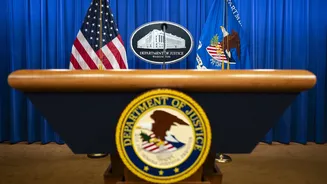
Just two days after the attack, the FBI officially attributed the heist to a North Korean state-sponsored hacking group it calls 'TraderTraitor'. This conclusion was supported by several blockchain intelligence firms, including Chainalysis and TRM Labs, which had already linked the attack to the group based on on-chain activity. The FBI, along with the U.S. Secret Service and IRS Criminal Investigation division, issued an alert urging crypto platforms to block transactions from hundreds of wallet addresses associated with the stolen funds. Authorities noted the hackers were actively attempting to launder the funds by converting them into other assets, primarily Ether (ETH), through decentralized finance (DeFi) services and instant swap platforms. North Korea has denied its involvement.
Binance's Response and Industry Fallout
Binance responded quickly by suspending withdrawals to contain the attack. In a remarkable show of industry collaboration, stablecoin issuers like Tether and Circle, along with other partners, managed to freeze approximately $3 billion of the stolen assets within hours. Binance CEO Richard Teng assured users that the exchange would cover all losses using company funds and its Secure Asset Fund for Users (SAFU), a $1 billion emergency insurance fund. The exchange has since been working to restore full functionality, beginning a phased reopening of withdrawals on November 1st. Despite the rapid response, the incident sent ripples through the market, with Bitcoin's price briefly falling and the stock values of related companies like Coinbase and Robinhood seeing a dip.
A Cat-and-Mouse Game
This event highlights the escalating battle between sophisticated state-sponsored hackers and an increasingly coordinated global law enforcement and industry response. North Korean hacking units like TraderTraitor are believed to be a key source of revenue for the sanctioned regime, funding its weapons programs through billions of dollars in stolen crypto. The FBI's involvement signals the seriousness with which the US government views these heists, not just as financial crimes but as matters of national security. While the ability to freeze nearly half of the stolen funds is a significant victory for the crypto industry, the incident also serves as a stark reminder of the persistent vulnerabilities in the digital asset ecosystem. As one expert put it, it's a constant 'cat and mouse game' between attackers and defenders.
How to Protect Your Crypto Assets
For individual investors, this hack underscores the importance of personal security measures. While exchanges provide convenience, they also represent a single point of failure. Security experts recommend several best practices to safeguard digital assets. Using strong, unique passwords and enabling two - factor authentication (2FA) with an authenticator app, rather than SMS, is a critical first step. For significant holdings, consider moving funds to a self - custody hardware wallet, which stores your private keys offline and away from online threats. It is also wise to be wary of unsolicited emails or messages, which could be phishing attempts, and to activate all available security alerts on your exchange account. After a major hack, it's important to monitor official announcements from the exchange and consider moving any remaining accessible funds to a secure wallet you control.