


What Exactly Is 'Double Carbing'?
‘Double carbing’ has become a buzzword in nutrition circles, but it describes a very common practice: eating two major sources of carbohydrates in the same meal. Think of classic combinations like having roti with a side of rice, eating pasta with garlic
bread, or pairing a burger with fries. While these pairings are staples in many cultures and are often seen as comfort foods, they typically involve loading a plate with starchy carbs without proportionally increasing other essential nutrients like protein or fibre. This approach significantly boosts the meal's carbohydrate and calorie count, which can have a cascading effect on your energy and hunger levels.
The Powerful Role of Protein in Satiety
The core of the issue lies in how different macronutrients affect our feeling of fullness, or satiety. Protein is the undisputed champion of making you feel full and satisfied for longer periods. When you consume protein, it takes longer to digest compared to refined carbohydrates. This process stimulates the release of key satiety hormones that signal to your brain that you are full, effectively putting the brakes on your appetite. Diets higher in protein have consistently been shown to increase feelings of fullness and can even help reduce overall calorie intake throughout the day because you're less likely to be searching for your next snack. Without enough protein, a meal can feel less satisfying, no matter the volume.
Why We Reach for More Carbs
When a meal lacks sufficient protein, it sets off a specific chain reaction. A meal high in refined carbohydrates and low in protein and fat causes a rapid spike in blood sugar (glucose). Your body responds by releasing insulin to manage this sugar. This can lead to a subsequent 'crash' where your blood sugar drops, leaving you feeling tired and, crucially, hungry again. In that moment, your body craves a quick energy source to bring blood sugar back up, and the easiest, fastest source is another carbohydrate. This is where double carbing becomes relevant; you reach for that extra slice of bread or another helping of rice because your body is sending urgent signals for more energy, even if you’ve consumed enough calories.
It’s About Balance, Not Banning Carbs
The conversation around double carbing isn't about demonising carbohydrates, which are a vital source of energy for our bodies. The problem is one of balance. A meal dominated by two refined carb sources often displaces protein, healthy fats, and fibre-rich vegetables. This imbalance can lead to energy slumps, persistent cravings, and, over time, can make weight management more challenging. Instead of fearing carbs, the goal is to pair them intelligently. Adding protein, fat, and fibre to a carbohydrate source slows down digestion, leading to a more gradual release of sugar into the bloodstream and preventing the dramatic energy spikes and crashes.
How to Build a More Balanced Plate
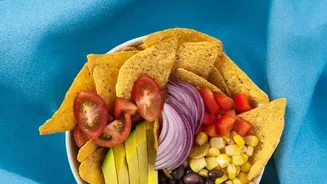
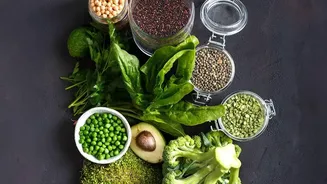
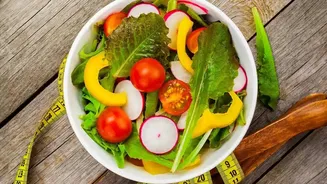
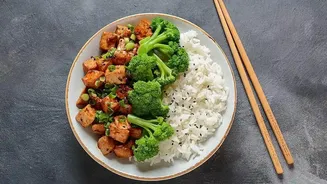
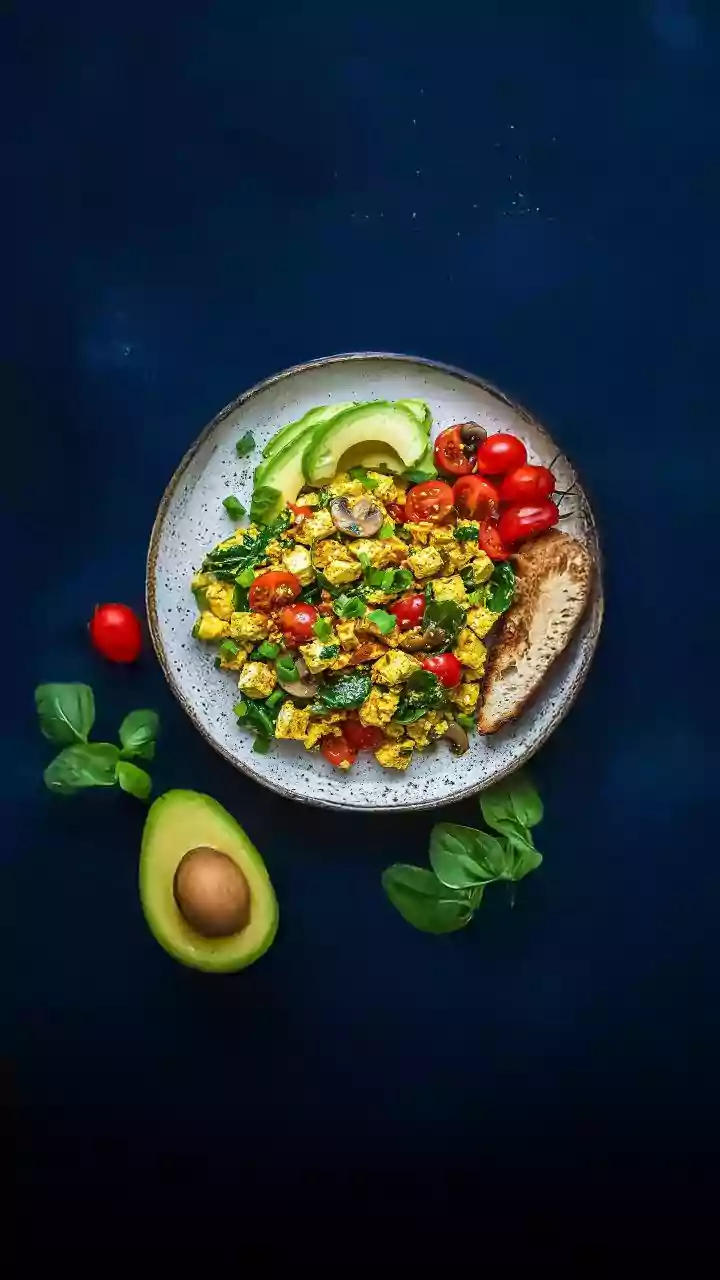
A simple and effective way to ensure your meals are balanced is the 'plate method.' Visualize your plate divided into sections. Aim to fill half your plate with non-starchy vegetables like leafy greens, broccoli, bell peppers, or cauliflower. These provide crucial fibre, vitamins, and minerals. One quarter of your plate should be dedicated to a lean protein source. For vegetarians, this could be paneer, tofu, lentils (dal), chickpeas (chana), or Greek yogurt. The final quarter is for your carbohydrate source—ideally a whole grain like brown rice, quinoa, or a whole-wheat roti. This simple visual guide ensures you get a satisfying mix of nutrients at every meal.
Easy Ways to Boost Your Meal's Protein
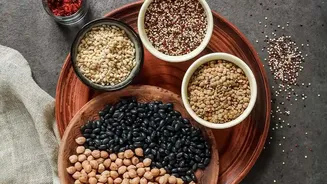
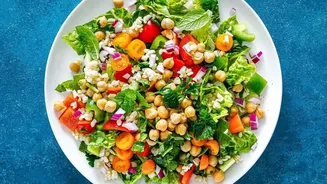
Increasing the protein content of your meals doesn't require a complete dietary overhaul. Start with small, strategic additions. If your lunch is dal and rice, ensure the dal is thick and substantial, or add a side of paneer or a cup of curd (dahi). Having poha or upma for breakfast? Mix in some peanuts or serve it with a side of sprouts. Instead of having pasta with garlic bread, pair your pasta with grilled chicken or a chickpea salad. Snacking on roasted chana, a handful of nuts, or a serving of Greek yogurt instead of biscuits can also significantly contribute to your daily protein intake and help keep hunger at bay between meals.