




A New Gospel of Profitability
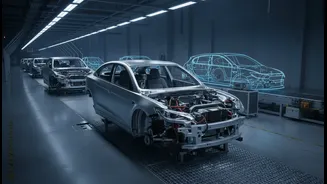
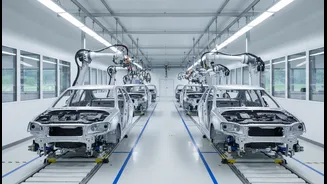
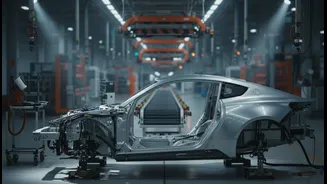
Volkswagen has launched a massive efficiency drive, dubbed “ACCELERATE FORWARD | Road to 6.5”, a global performance program with a clear and ambitious goal. The company is aiming to boost the VW brand's return on sales to a sustainable 6.5 percent by
2026, a significant jump from its recent margins. This isn't just about trimming expenses; it's a fundamental rewiring of the company's priorities. The plan aims to improve earnings by around 10 billion euros. To get there, Volkswagen is looking at everything from streamlining administration to making development and production more efficient. Volkswagen brand CEO Thomas Schäfer has called the program the “number one priority for the entire Board of Management,” signalling a seismic shift for the Wolfsburg-based behemoth.
The Ghost of Expansions Past
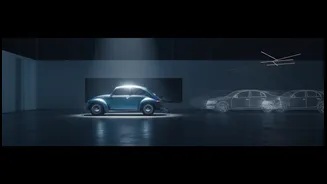
This new focus marks a dramatic reversal from the strategy championed by former CEO Martin Winterkorn. His “Strategy 2018” was a relentless pursuit of global dominance, aiming to overtake Toyota as the world's largest carmaker by sales volume at almost any cost. This empire-building approach led to a sprawling and complex portfolio, with a vast number of models and variants designed to fill every conceivable market niche. While the company did achieve its goal of hitting 10 million vehicle sales ahead of schedule, it came at a price. Profitability lagged behind rivals like Toyota, and the immense pressure to grow was a contributing factor to the infamous Dieselgate emissions scandal that rocked the company in 2015.
Which Cars Are on the Chopping Block?
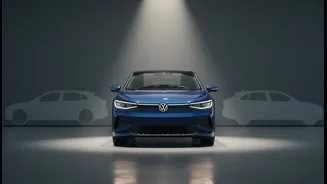
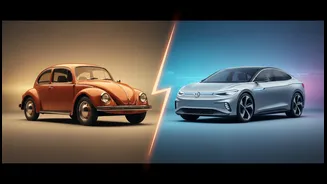
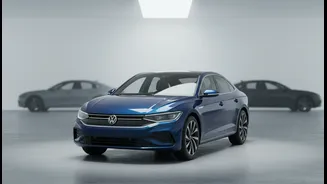
The most visible part of this new strategy is the culling of unprofitable, low-volume models. Volkswagen has stated it will streamline its model lineup by up to 50 percent and reduce the complexity of options by as much as 75 percent, concentrating on its most popular and profitable vehicles. One of the first confirmed casualties is the stylish Arteon sedan, which ceased production for the US market after struggling with poor sales. Despite its appealing design, the Arteon was a niche product in a market increasingly dominated by SUVs. The company will now double down on its core, high-volume sellers like the Golf and Tiguan, alongside its growing family of all-electric ID. models, which are seen as the key to the future. The electric ID.7 sedan is positioned to effectively replace the Arteon in the lineup.
Funding the Electric and Digital Future
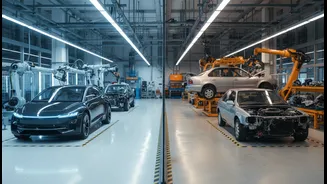
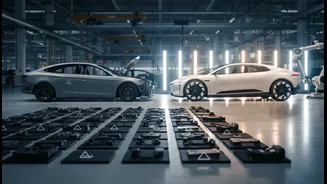
The money saved from cutting models and streamlining operations has a clear destination: the future. Volkswagen is in the midst of a costly and critical transition to electric vehicles (EVs) and software development. The cost-cutting measures are designed to free up billions of euros needed to compete with EV leaders like Tesla and a wave of new competitors, particularly from China. Volkswagen CEO Oliver Blume has stated that the company must “fundamentally realign its business model” to cope with the current economic and geopolitical environment. This involves not just building new cars, but also retooling factories, investing in battery production, and developing its own software platforms—all of which require immense capital investment that the old, volume-focused strategy could no longer support.