






What is Rooibos, Exactly?
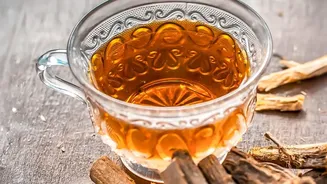
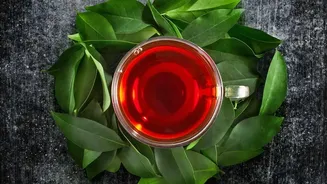
Rooibos, meaning 'red bush' in Afrikaans, isn't technically a tea in the traditional sense. It's an herbal infusion, or tisane, made from the needle-like leaves of the Aspalathus linearis shrub, a plant grown exclusively in South Africa's Cederberg mountain
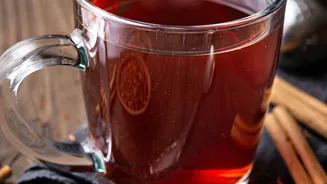
region. After harvesting, the leaves are typically bruised and fermented. This oxidation process turns them from green to the familiar reddish-brown colour and develops their characteristic sweet, nutty, and slightly woody flavour. Unlike black or green tea, which come from the Camellia sinensis plant, rooibos is naturally caffeine-free and has lower levels of tannins—compounds that can sometimes interfere with iron absorption.
A Hub of Antioxidant Activity
Much of the health buzz around rooibos centres on its antioxidants. These compounds help protect the body against cellular damage from unstable molecules called free radicals. Rooibos is particularly noted for containing aspalathin, a rare antioxidant not found in other common teas. It also contains others like quercetin and luteolin. While rooibos is rich in these beneficial compounds, some studies note that the antioxidant boost a person gets from drinking it can be small and temporary. Unfermented 'green' rooibos, which skips the oxidation step, generally retains higher levels of antioxidants than its more common red counterpart.
Heart Health: A Promising Connection
One of the more studied areas of rooibos research is its potential effect on heart health. Some human studies suggest that regular consumption may positively influence risk factors for cardiovascular disease. For instance, one small but frequently cited clinical trial had 40 at-risk participants drink six cups of rooibos daily for six weeks. The results showed a significant decrease in 'bad' LDL cholesterol and an increase in 'good' HDL cholesterol. Other research suggests rooibos may act as a natural ACE inhibitor, which helps relax blood vessels and could support healthier blood pressure. However, it's important to note that the overall body of evidence from human trials remains limited.
The Link to Blood Sugar Control
There is also growing interest in rooibos for its potential role in helping to manage blood sugar. The unique antioxidant aspalathin is at the centre of this research. Most of the compelling evidence comes from animal and test-tube studies, which have shown that rooibos extracts can help cells use glucose more effectively and may improve insulin resistance. These findings suggest a possible benefit for people with or at risk of type 2 diabetes. However, these results have not yet been confirmed in large-scale human trials, and researchers caution that rooibos should be seen as a supportive part of a healthy lifestyle, not a cure.
Enjoyment with a Note of Caution
For most people, rooibos is considered very safe to enjoy. Side effects are rare and typically linked to excessive consumption. There have been a few isolated reports associating very high daily intake with an increase in liver enzymes, so individuals with pre-existing liver conditions may want to consult a doctor before making it a daily habit. Because some compounds in rooibos can have mild estrogenic activity, those with hormone-sensitive conditions are also sometimes advised to be cautious. Ultimately, moderation is key, and enjoying a few cups a day is unlikely to cause any issues for the average person.