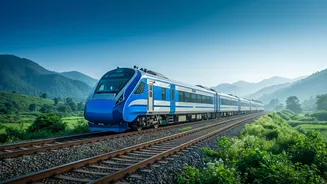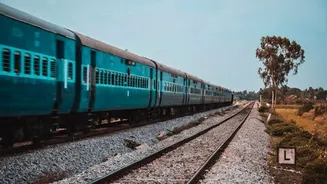




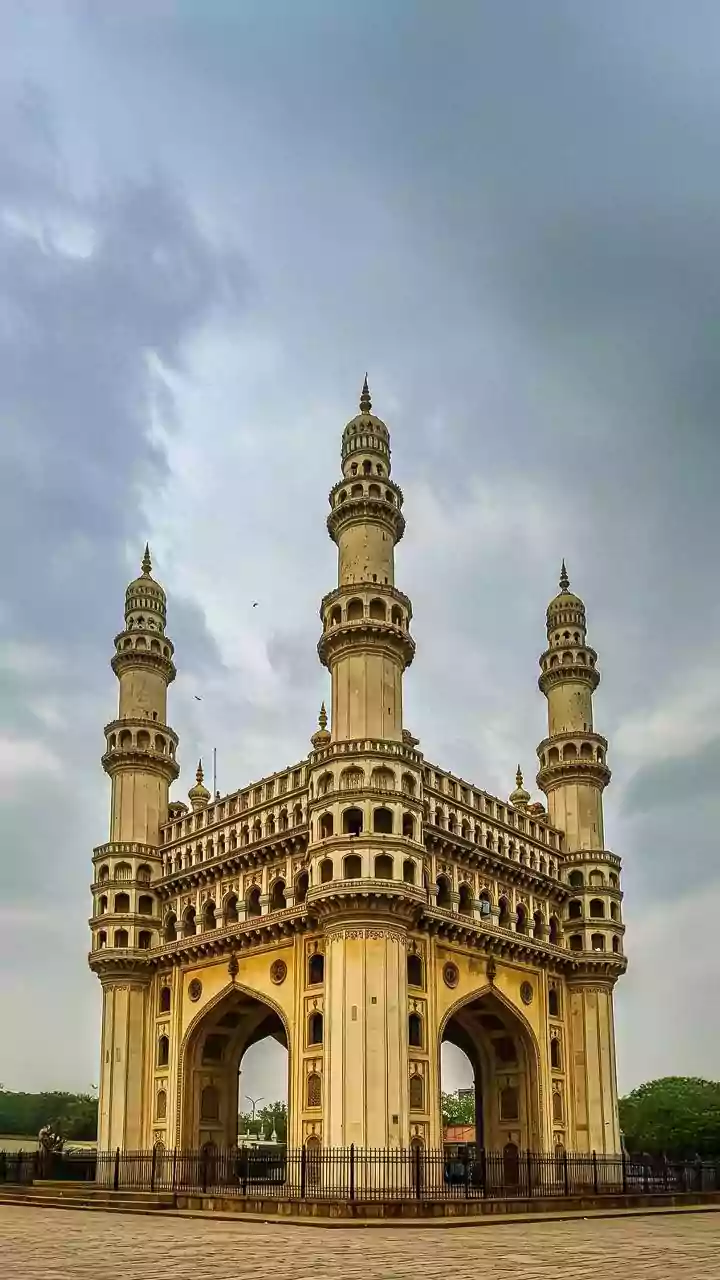


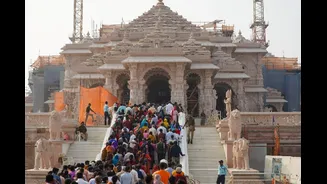

In a move that strengthens ancient cultural ties with modern infrastructure, a new weekly train service is launching between Ayodhya and Janakpur, Nepal. This service, named the Saryu-Kamala Express, forges a direct link between two of the most sacred
sites in the Ramayana tradition.
A Bridge Between Two Holy Cities
The new train service directly connects Ayodhya in Uttar Pradesh, revered as the birthplace of Lord Ram, with Janakpur in Nepal, traditionally known as the birthplace of Goddess Sita. Following a virtual inauguration on November 23 by Indian Prime Minister Narendra Modi and his Nepalese counterpart Balendra Shah, regular commercial services are scheduled to commence on November 28. This initiative is more than just a transportation link; it is a significant step in bolstering the 'Ramayana Circuit', a route designed to connect key sites associated with the epic. Uttar Pradesh Chief Minister Yogi Adityanath called the service a revival of the ancient cultural association between the regions, highlighting the deep-rooted relationship often described as 'roti-beti', a bond of family and shared heritage.
Journey Details: Route and Schedule
The Saryu-Kamala Express will cover the 604-kilometre distance in approximately 19 hours, operating as a weekly service. Departing from Ayodhya Cantt every Monday at 5:50 p.m., the train is scheduled to arrive in Janakpur Dham at 12:40 p.m. (Nepali time) the following day. For the return journey, it will leave Janakpur Dham every Saturday at 1:10 p.m. (Nepali time) and reach Ayodhya Cantt at 8:10 a.m. on Sunday. The route will not require passengers to change trains and includes several important stops across Uttar Pradesh and Bihar, such as Gorakhpur, Basti, Raxaul, Sitamarhi, and Madhubani, before crossing the border at Jaynagar.
Onboard Amenities and Travel
The train will be operated using modern 17-coach LHB (Linke Hofmann Busch) rakes, known for their enhanced safety and comfort. The configuration includes a mix of eight air-conditioned coaches and seven sleeper-class coaches, along with a disabled-friendly coach and a power car, catering to a wide range of passengers. While ticket prices were yet to be officially announced on the IRCTC website at the time of the inauguration, the service aims to provide a convenient and seamless journey for pilgrims and tourists. This direct link removes many of the previous hassles of cross-border travel between these two specific locations, which often involved multiple modes of transport.
Boosting Pilgrimage and Local Economies
The primary goal of the Ayodhya-Janakpur train is to boost religious tourism. With Ayodhya's prominence growing after the inauguration of the Ram Mandir, and Janakpur's steady draw for devotees visiting the Janaki Temple, the direct train is expected to significantly increase pilgrim footfall in both cities. This influx of visitors is anticipated to have a positive ripple effect on local economies all along the route. Businesses such as hotels, local transport operators, restaurants, and artisans in towns like Sitamarhi, Raxaul, and Gorakhpur stand to benefit from the increased movement of people. The service also offers a new, reliable travel option for those crossing the border for education, business, or family reasons.
Strengthening India-Nepal Relations
Beyond its cultural and economic impact, the Saryu-Kamala Express is a cornerstone of India's broader 'Neighbourhood First' policy, aimed at strengthening ties with adjacent countries. This railway project is part of a larger framework of cooperation between India and Nepal, which includes expanding cross-border rail links, developing inland waterways, and energy partnerships. The new service symbolises a deepening of the civilisational and people-to-people connections that have defined the India-Nepal relationship for centuries. By making travel easier and reinforcing a shared heritage, the train serves as a powerful instrument of cultural diplomacy, bringing the people of both nations closer together.