








What Exactly is Sargi?
Sargi is the special meal consumed before sunrise on the day of Karwa Chauth. Traditionally, it is prepared by a mother-in-law for her daughter-in-law. This meal is intended to provide the necessary energy and nourishment to sustain the woman observing
a strict fast—often without food or water—until the moon rises in the evening. The ritual involves waking up in the early hours, typically between 3:30 and 4:00 AM, to eat this meal together as a family before the fast officially commences at sunrise. While the practice is most prominent in North India, its essence of care and blessing resonates across many communities that observe the festival.
A Thali Filled with Blessings
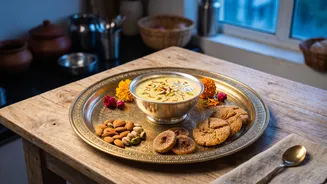
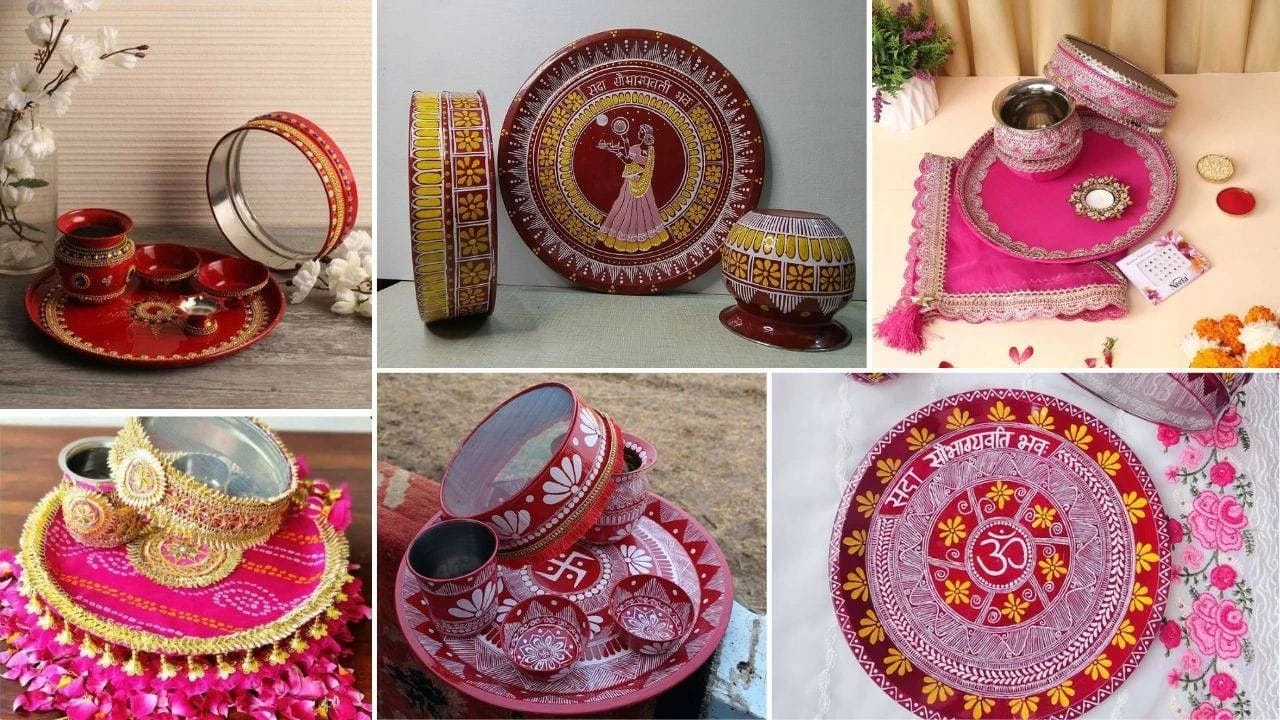
The Sargi thali is not just an assortment of food items; it's a carefully curated platter of love, blessings, and good wishes. Each component holds significance. The thali typically includes fresh fruits like bananas and pomegranates for hydration and natural sugars, and dry fruits such as almonds and cashews for sustained energy. You will often find light, home-cooked meals like pheni (vermicelli cooked in milk) or mathri, alongside a few sweets for a boost of glucose. Beyond the food, a Sargi thali might also contain symbolic items like sindoor, bangles, and a coconut, representing marital bliss, prosperity, and purity. It is a tangible expression of the mother-in-law's prayer for her daughter-in-law's happy and prosperous married life.
Strengthening the Saas-Bahu Bond
At its heart, the tradition of Sargi is a beautiful articulation of the relationship between a mother-in-law (saas) and her daughter-in-law (bahu). The act of a mother-in-law waking up early to prepare a nourishing meal is a profound gesture of care, acceptance, and support. It sets a positive and loving tone for a day that requires immense personal discipline. For a newly married woman observing her first Karwa Chauth, this ritual is especially significant. She is often showered with gifts and blessings, making her feel cherished and integrated into her new family. This simple act of preparing and sharing a meal reinforces the idea that the fast is not an individual ordeal but a shared family value, strengthening the bonds between generations of women.
Tradition in a Modern World
As family structures evolve and distances grow, the tradition of Sargi has adapted without losing its core sentiment. In nuclear families or for those living in different cities or countries, the physical act of a mother-in-law preparing the meal may not always be possible. However, the spirit of the ritual endures. Mothers-in-law often send their love and blessings through carefully packed hampers or by ordering Sargi thalis online to be delivered to their daughters-in-law. Many women who live independently also prepare their own Sargi, viewing it as a symbolic act of faith and a connection to their family's traditions. These modern adaptations show that the essence of Sargi lies not in the strict adherence to a physical process but in the intention of love, care, and continuity that it represents.