

From Steel to Steering Wheels
JSW Group, a powerhouse in steel, energy, and cement, is no stranger to ambitious diversification. In recent years, the conglomerate has turned its sights to the automotive sector with formidable intent. Its strategy is not just about entering the market,
but about reshaping it with a focus on new-energy vehicles (NEVs). The group has already made a significant splash by acquiring a 35% stake in MG Motor India in 2023, forming a joint venture, JSW MG Motor India, which began operations in 2024. This move provided JSW with immediate access to an established brand, manufacturing facilities, and a portfolio of vehicles, including successful EVs. Concurrently, JSW is also developing its own JSW-branded electric vehicles and plug-in hybrids, backed by a massive planned investment in a greenfield manufacturing facility in Maharashtra. This dual approach—building a JV and a standalone brand—signals a clear, aggressive, and well-funded push into the future of mobility in India.
Volkswagen’s Indian Conundrum
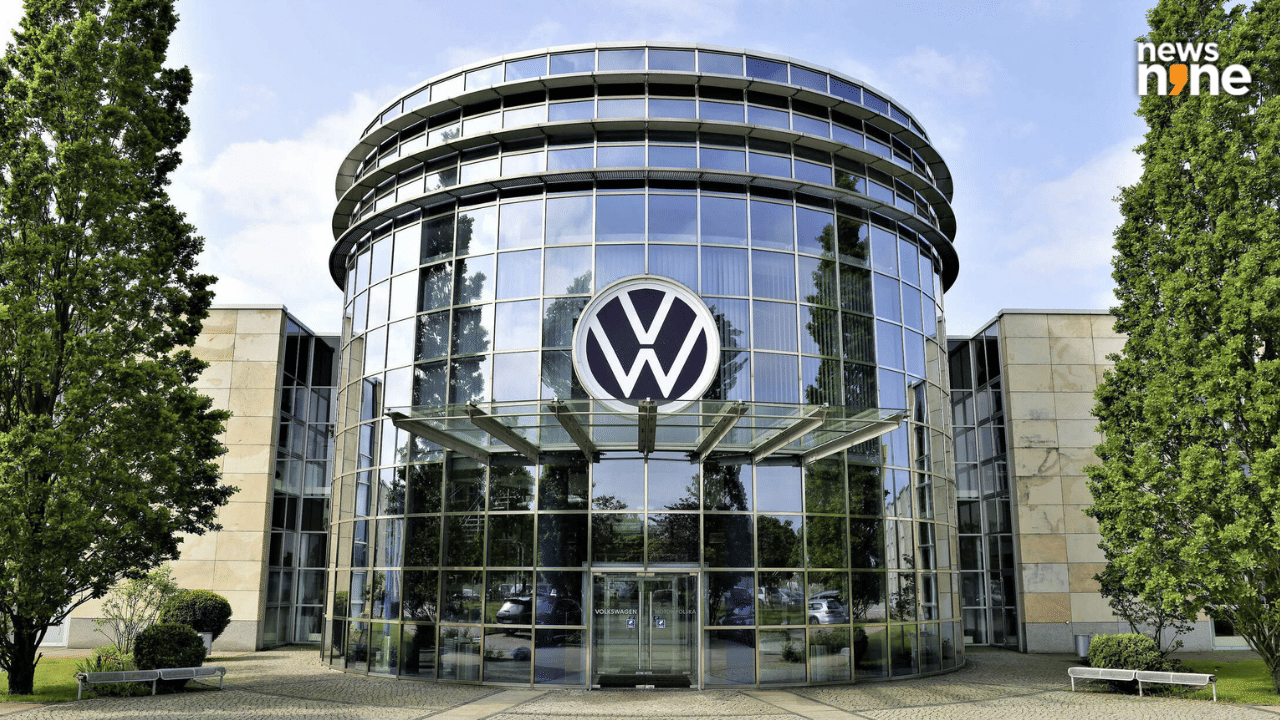
For Volkswagen, the German automotive giant, the Indian market has been a long and challenging journey. Despite being in the country for over two decades, its market share, combined with its Skoda brand, remains modest, hovering around 2.3% to 2.5%. This is a far cry from the dominance of Japanese and Korean rivals, and short of the company's own target of a 5% market share. The 'India 2.0' strategy, launched in 2018, aimed to revitalise its presence through increased localisation and new, India-focused models like the Taigun and Virtus. While this has brought some profitability, scaling up has remained a persistent hurdle. Now, facing global pressures to cut costs and fund a worldwide transition to electric vehicles, Volkswagen appears more willing to find a strong local partner to inject fresh capital and help navigate the complexities of the Indian market. Reports suggest the group has even scaled back planned EV investments in India, underscoring the need for a strategic shift.
The Strategic Logic of a Partnership
A deal between JSW and Volkswagen could be a textbook case of synergistic partnership. For JSW, acquiring a stake in Volkswagen India would be a strategic masterstroke. It would provide instant access to world-class German engineering, established manufacturing plants in Pune and Chhatrapati Sambhajinagar, a mature vehicle platform, and a nationwide dealership network. This would drastically accelerate its own automotive plans, leapfrogging years of development. For Volkswagen, a partnership with JSW offers a powerful lifeline. It would bring in much-needed capital to fund new products and expansion without further burdening the German parent company. More importantly, it would pair Volkswagen with a formidable Indian conglomerate that has deep market understanding, government liaison capabilities, and a proven track record in large-scale manufacturing and infrastructure projects.
An Electric Vehicle Powerhouse?
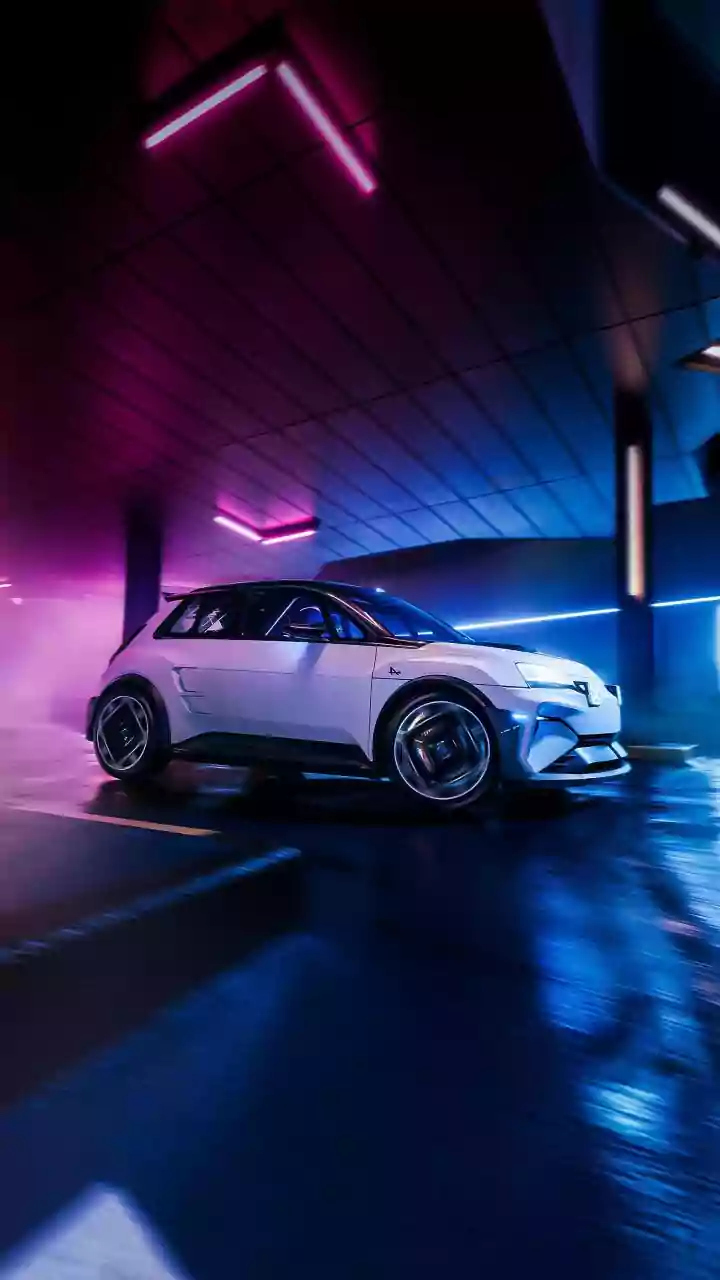
The undercurrent of this entire potential deal is the electric vehicle revolution. JSW's primary automotive ambition is centred on EVs and NEVs. Combining JSW's aggressive push into EV manufacturing—including battery production—with Volkswagen’s global EV platforms and technology could create a new powerhouse in the Indian market. Volkswagen has struggled to formulate a cost-effective EV strategy for the price-sensitive Indian market on its own. A partnership with JSW could unlock the necessary localisation and scale to produce affordable, India-specific electric cars. This would align perfectly with JSW’s goal of taking a leadership position in India's EV ecosystem and could pose a significant challenge to current market leaders like Tata Motors and Mahindra.
Hurdles on the Road Ahead
Despite the compelling logic, the deal is not yet done. Negotiations, which have been on and off for a few years, still face significant hurdles. Key sticking points reportedly include the final valuation of Volkswagen's Indian assets and the exact capital commitments from both sides. Integrating the corporate cultures of a dynamic Indian conglomerate and a meticulous German automotive giant will also be a major challenge. Furthermore, the Indian auto market is fiercely competitive, and even a combined entity would have to fight hard for every point of market share. However, if these challenges can be overcome, the resulting alliance would have the potential to not only thrive but to fundamentally alter the competitive dynamics of one of the world's most important car markets.