




The Freshness Myth Debunked
It’s a common belief that fresh is always nutritionally superior, but that’s not always the case. Fruits and vegetables destined for canning are typically picked at their peak ripeness and processed shortly after harvest, which locks in their vitamins
and minerals. In contrast, fresh produce can spend days or weeks in transit and on store shelves, losing nutrients over time. While the high heat of canning can reduce levels of some water-soluble vitamins like Vitamin C, it can also make other nutrients more available. For instance, the body can absorb more of the antioxidant lycopene from canned tomatoes than from fresh ones.
Nutritional Stars of the Canned Aisle
Your pantry can become a powerhouse of nutrition with just a few smart selections. Canned legumes like chickpeas (chana) and kidney beans (rajma) are excellent sources of plant-based protein and fibre. Canned fish such as salmon, tuna, and sardines are packed with heart-healthy omega-3 fatty acids. Canned vegetables like corn, peas, and pumpkin offer convenience without sacrificing essential vitamins and minerals. Even a simple can of chopped tomatoes provides a fantastic, antioxidant-rich base for countless curries, soups, and sauces.
How to Read Labels Like a Pro
The key to building a healthy canned food collection lies in reading the nutrition label. The biggest culprits to watch out for are added sodium and sugar. Whenever possible, opt for vegetables marked 'no salt added' or 'low sodium'. For canned fruit, choose varieties packed in 100% juice or water instead of heavy syrup. A simple trick to significantly reduce the sodium content of canned beans and vegetables is to drain and rinse them thoroughly under running water before use. Studies have shown this simple step can wash away up to 41% of the added sodium in beans.
Easy Ways to Use Your Pantry Staples
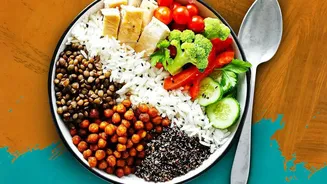
Integrating these foods into your daily meals is simple. Add a can of rinsed chickpeas or kidney beans to a salad for a quick protein boost. Use canned corn in salsas or mix it into rice dishes. Canned tuna or salmon can be easily transformed into sandwiches, patties, or added to pasta. Use canned pumpkin not just for desserts, but also to add fibre and creaminess to soups and stews. Having these ready-to-go ingredients on hand saves valuable prep time on busy weeknights, making a home-cooked meal more achievable.
Beyond the Can: Other Shelf-Stable Heroes
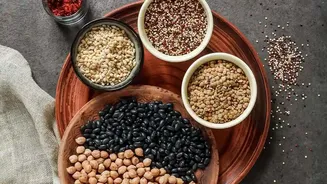
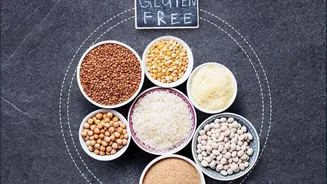
A truly practical pantry doesn't stop at cans. Complement your tinned goods with other shelf-stable powerhouses. Dried lentils and whole grains like brown rice, oats, and millets form the foundation of many healthy meals. UHT (Ultra-High Temperature) milk and plant-based milk alternatives provide calcium and protein and can be stored for months. Nuts and seeds offer healthy fats and can be bought in bulk. By combining these items with your canned goods, you create a versatile and resilient pantry that can help you whip up a nutritious meal at a moment's notice, reducing food waste and saving money.