




From Barren Land to Fields of Bloom
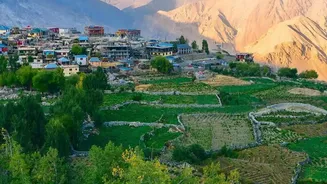
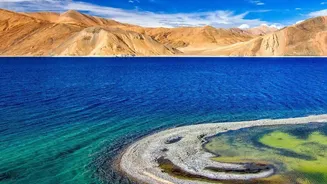
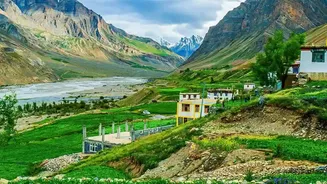
In a region where farming is constrained by geography and a harsh climate, a bold initiative is turning the landscape on its head. Across 40 acres in Choglamsar and Stakna, at an altitude of around 10,600 feet, millions of flowers are now in bloom. This
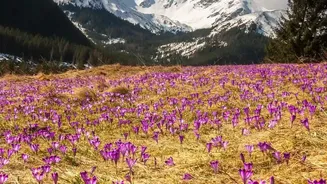
project, spearheaded by the Ladakh administration with technical support from scientific institutions, aims to diversify agriculture and create new livelihood opportunities. In a remarkably short time, land that was once barren has been transformed into a vibrant tapestry of over 2.5 million plants, predominantly Lilium and Gladiolus. This rapid development, with some fields prepared in just two months, showcases a determined effort to introduce high-value horticulture to the region.
The Science of High-Altitude Floriculture
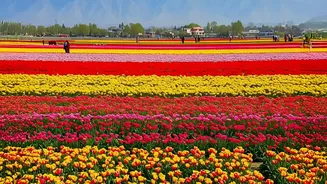
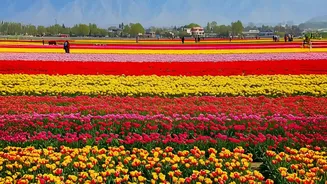
Making flowers bloom in a cold desert isn't a matter of chance; it's a feat of science. The Defence Institute of High Altitude Research (DIHAR) has been a key player, developing cold-arid agro-technologies that make this possible. The choice of flowers like Lilium is strategic, as their bulbs perform exceptionally well in cold conditions. The project relies on scientific cultivation practices, including the use of greenhouses and the selection of specific flower varieties that can withstand Ladakh's unique climate of intense sun, low oxygen, and freezing temperatures. The sites at Choglamsar and Stakna are being developed as model centres to demonstrate these techniques to local farmers, with plans to introduce other varieties like tulips. This initiative combines modern agricultural science with the practical needs of a challenging environment.
A New Chapter for Ladakhi Farmers
Beyond the visual spectacle, the flower fields represent a significant economic shift for local communities. Floriculture offers the potential for returns that are nearly double those of traditional vegetable farming. The administration's model involves managing the initial cultivation and then transferring the harvest and subsequent management to local Self-Help Groups (SHGs) and cooperatives, particularly empowering women. The first consignment of 15,000 'A-grade' Lilium stems has already been dispatched to major national markets like Delhi, Mumbai, and Chandigarh. These premium flowers, with multiple buds per stem, can fetch high prices, providing a substantial new income source. Local women are earning daily wages of around Rs 900 for sorting and packing the flowers, illustrating the project's immediate impact on employment.
Overcoming Mountain-Sized Challenges
Despite the promising start, high-altitude floriculture faces considerable hurdles. The short growing season, limited water resources, and the complex logistics of transporting delicate flowers from a remote region to bustling city markets are all significant challenges. Profitability hinges on carefully managing production costs, ensuring efficient transportation, and establishing robust market access. The project is still in its early stages, and its long-term success will depend on building a sustainable value chain that connects Ladakhi farmers directly with buyers and minimises spoilage. Furthermore, scaling up the initiative will require continued investment in training and infrastructure to support the nascent industry.
A Blueprint for Other Cold Regions?
The success of Ladakh's flower fields is being watched closely as a potential blueprint for other high-altitude, cold-arid regions. The initiative is not just about growing flowers but about creating a replicable system for agricultural diversification. By proving that high-value commercial crops can be cultivated in such extreme conditions, Ladakh is demonstrating a path toward economic resilience. The administration has already directed officials in other districts like Kargil and Drass to identify land to replicate the model. This successful experiment in crop diversification, which is also being explored with other high-value crops like saffron, provides a powerful case study in how scientific innovation and government support can unlock new agricultural frontiers and strengthen local economies in challenging environments.