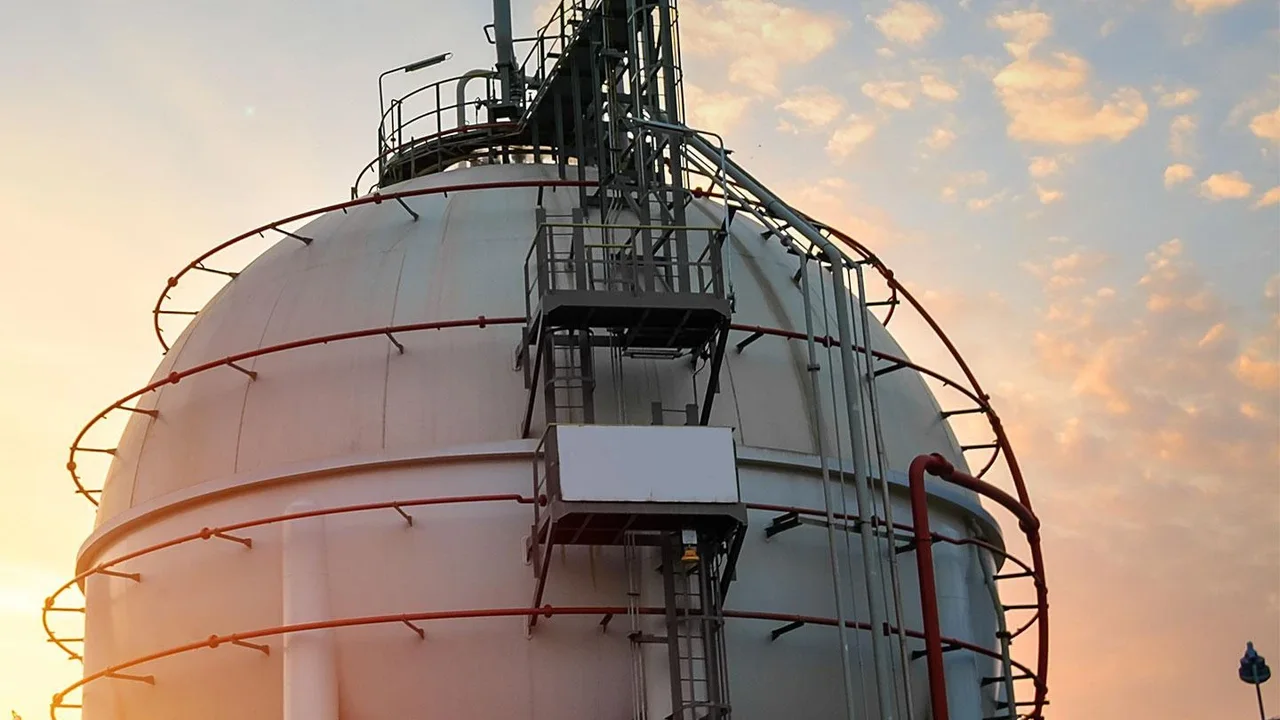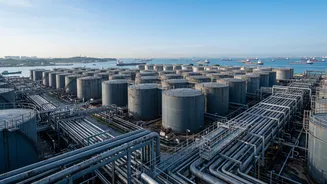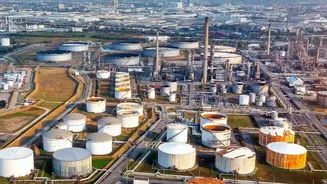








Saudi Arabia, a desert kingdom, is partnering with Singapore, a small island nation, to store crude oil. This isn't just about finding space; it's a major strategic move that highlights a shift in the global energy landscape.
The Agreement Explained
Saudi Arabia and Singapore
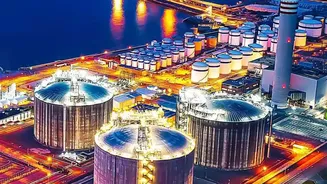
have announced a plan for Saudi Arabia to store its crude oil in Singapore starting in the second half of 2027. A memorandum of understanding has been exchanged between state-owned oil giant Saudi Aramco and Singapore's Energy Market Authority and JTC Corporation. The oil will be kept in the Jurong Rock Caverns, a massive underground storage facility located 150 meters below ground on Jurong Island. While the exact volume has not been disclosed, the caverns have a total capacity of around 9 million barrels of liquid hydrocarbons. This move aims to enhance the resilience of the Saudi supply chain to Southeast Asia and bolster Singapore's own energy security.
The Singapore Advantage
Singapore's selection as a storage location is no accident. Despite having no oil reserves of its own, the country has strategically positioned itself as one of the world's top three oil trading and refining hubs. Its critical location at the crossroads of the Indian and Pacific Oceans, right on the Malacca Strait—one of the world's busiest shipping lanes—makes it a natural checkpoint for global energy flows. Singapore has invested heavily in world-class port infrastructure, massive storage terminals like the Jurong Rock Caverns, and a stable political and legal environment, attracting over 100 international petroleum and chemical companies. This allows it to function as Asia's undisputed oil hub, a vital center for storage, refining, and distribution.
A Strategic Play for Riyadh
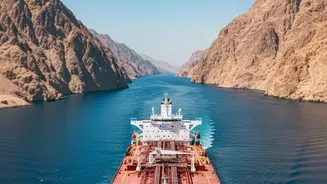
For Saudi Arabia, this deal is about much more than logistics; it's a strategic pivot towards its most important customers. Asia is a key market for Middle Eastern oil, and recent geopolitical tensions have highlighted the vulnerability of supply chains that rely on passage through choke points like the Strait of Hormuz. By storing crude oil in Singapore, Saudi Aramco can position its supply much closer to its major Asian buyers. This move enhances the flexibility of its supply network, allowing for quicker response times to market demand and potential disruptions. It's part of a broader strategy by Aramco to expand its international storage, secure market share, and ensure a reliable flow of oil to the world's fastest-growing economic region.
Mutual Benefits and Deeper Ties
The arrangement is designed to be a win-win. For Singapore, hosting a strategic reserve for the world's largest oil exporter provides an additional layer of energy security. In the event of a global supply disruption, Singapore would have immediate access to a crucial buffer stock. This reinforces its reputation as a stable and reliable energy hub. For Saudi Arabia, the partnership solidifies its relationship with a key player in Asian finance and logistics, potentially opening doors for further cooperation. As Saudi Energy Minister Prince Abdulaziz bin Salman noted, it brings supply closer to key markets and strengthens the flexibility of their network. It's a deal that deepens economic and strategic ties beyond the simple storage of barrels.
Reshaping the Energy Map
This agreement is indicative of a broader shift in the global energy market. With Asia's demand for energy continuing to grow, major producers are increasingly focused on securing their foothold in the region. By pre‐positioning inventory in Asia, Saudi Arabia can better compete with other global suppliers and demonstrate its commitment as a reliable long‐term partner to the continent. This isn't a new concept for Aramco, which already has similar storage agreements in Japan and South Korea. The addition of Singapore to this list creates a robust network of strategic reserves across East and Southeast Asia. This not only helps stabilize supply for individual countries but also contributes to the overall energy security and market stability of the entire region, which is vital for global economic health.